
Trace of the Villa — rooms as puzzle spaces and story containers
Trace of the Villa frames its mystery in sealed rooms: a decaying mansion whose furnished interiors, locked doors and scrambled records act as both mechanical puzzles and narrative artifacts. Developed and published by Steadyturtle Co., Ltd., the Steam release (28 May, 2026) positions Jin’s search for his missing sister inside an estate that reveals a trail of manifests, encrypted files and hidden compartments as you restore power and peel back layers of deliberate erasure.

Who, what, when, where, why, how
Who is this for?
This is for players who enjoy atmospheric mystery adventure and story-rich investigation on PC — people who prize clue-reading, environmental storytelling and deliberate, puzzle-led pacing over twitch reflexes. If you appreciate slow-burn suspense in single-player indie titles, Trace of the Villa is aimed at that audience.
What the game is
Trace of the Villa casts you as Jin, a protagonist who follows leads to a remote, cut-off mansion and recovers manifests and hints that suggest his sister may still be alive. The game is presented as an action/adventure indie on Steam with a focus on investigative exploration inside a property “less abandoned than erased”: rooms remain furnished, personal items are present but identifiers are missing, and locked systems conceal the timeline of what happened there.
When and where
Available on Steam for PC: Trace of the Villa released on 28 May, 2026. The store page lists the developer and publisher as Steadyturtle Co., Ltd. and positions the title within Action, Adventure and Indie genres.
Why the theme matters
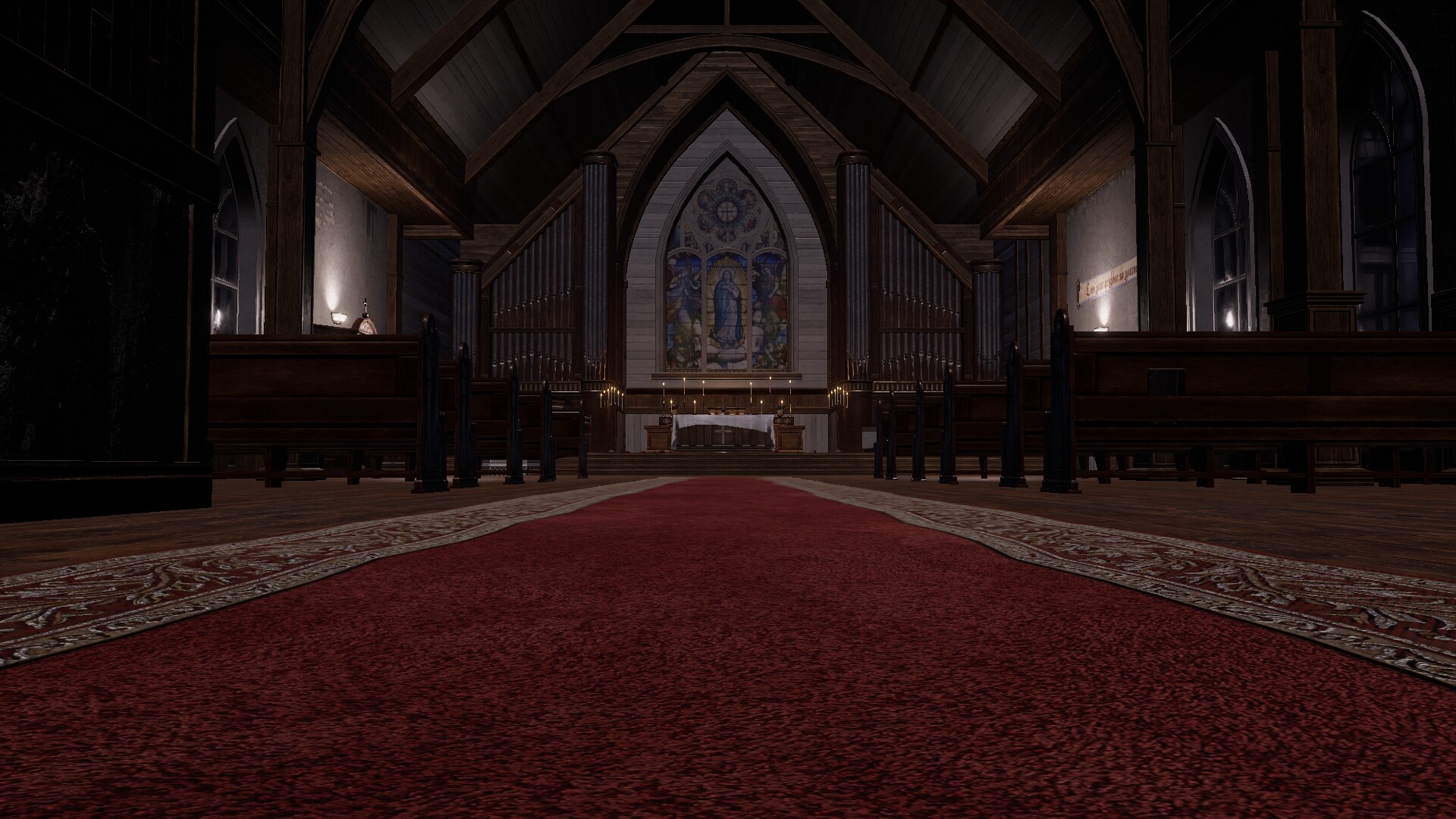
The mansion setting turns each room into a compact narrative unit. Rather than sprawling exposition, intact rooms supply tightly focused contexts: sets of objects that point to routines interrupted, financial records that imply organized movement, and systems that—when restored—translate gameplay progress into story beats. Thematically, the house’s deliberate erasure (missing photos, falsified identities) makes each solved mechanical puzzle a discovery of personal history.
How you progress: reading clues, object logic, story puzzles
Progress in Trace of the Villa is shaped by three overlapping modes of puzzle design:
- Clue reading — documents, manifests and system logs act as interpretive breadcrumbs. Understanding naming conventions, dates and transfer records is often what turns an object into a usable hint.
- Object logic — physical interaction with furniture, safes and hidden compartments follows a logical chain: manipulate an item, restore power, reveal a compartment, decrypt a fragment. The game’s official description notes safes yielding encrypted documents and secured systems coming back online as concrete triggers for narrative advancement.
- Story puzzles — some puzzles are less about mechanical trickery and more about assembling a timeline from dispersed evidence (financial trails, falsified identities). Solving them reconfigures your understanding of who passed through the estate and why.
Images from the Steam store

Quick facts
| Title | Trace of the Villa |
|---|---|
| Developer | Steadyturtle Co., Ltd. |
| Publisher | Steadyturtle Co., Ltd. |
| Release date | 28 May, 2026 |
| Steam appid | 3483660 |
| Genres | Action, Adventure, Indie |
| Key categories | Single-player; Color Alternatives; Custom Volume Controls; Playable without Timed Input; Subtitle Options; Family Sharing |
How Trace of the Villa compares (editorial discovery)
Below is a focused comparison on puzzle style, atmosphere and player fit with other titles that readers often consider when they want room-based, clue-driven experiences.
| Title | Primary puzzle style | Atmosphere & tone | Exploration style | Player fit |
|---|---|---|---|---|
| Trace of the Villa | Documented clue-reading, object logic, encrypted files and safes | Slow-burn mansion mystery, psychological investigation | Room-by-room, narrative-unlocking via restored systems | Players who want story puzzles and environmental storytelling |
| The Room / The Room Two | Mechanical, tactile puzzle boxes and interlocking contraptions | Claustrophobic, tactile mysticism | Focused, single-room/box puzzles with tight mechanical logic | Players who enjoy tactile, object-based manipulation and isolated puzzles |
| Escape Simulator | Highly interactive escape room mechanics; emergent physics | Playful, puzzle-room variety (can be tense or casual) | Modular rooms, often community-made; supports co-op | Players who want interactivity, co-op or custom rooms |
| Unpacking | Block-fitting, domestic-object puzzles that reveal life stories | Zen, reflective, domestic and personal | Progressive chapters built around rooms and routines | Players who enjoy low-pressure, story-through-objects experiences |
| hack_me | Hacking simulation, command-driven puzzle scenarios | Technical, simulator tone rather than atmospheric mystery | Interface-driven rather than physical room exploration | Players seeking simulator-style puzzles and command logic |
Comparisons above are editorial and based on published descriptions and genre focus — not endorsements. See the disclaimer at the end.
Player scenarios — who should wishlist this
- If you prize narrative puzzles: You’ll enjoy the way documents, manifests and safes function as story mechanics rather than isolated minigames.
- If you like tightly scoped, room-centric mysteries: Rooms in Trace of the Villa are both puzzle chambers and containers of personal history — ideal for players who like piecing timelines together from objects.
- If you prefer social or physics-driven puzzles: This is a single-player, story-first experience; players who want co-op or fast-paced physics interactions
Steam page
View Trace of the Villa on Steam
YouTube discovery
For trailer and gameplay discovery, use YouTube search rather than relying on unverified embeds: Find Trace of the Villa trailer and gameplay searches on YouTube.
Leave a Reply