
Trace of the Villa: Rooms as Puzzle Spaces and Story Containers
Trace of the Villa positions a decaying mansion as the primary engine of a slow, clue-driven investigation: Jin follows leads that brought him to a remote estate where manifests and hints suggest his missing sister may still be alive. Released on 28 May, 2026 by Steadyturtle Co., Ltd., the game bills itself as an action-adventure indie that layers object logic, locked systems, and fragmentary documents into a mansion mystery.

Quick facts
| Title | Trace of the Villa |
|---|---|
| Developer / Publisher | Steadyturtle Co., Ltd. |
| Genres | Action, Adventure, Indie |
| Steam categories | Single-player; Color Alternatives; Custom Volume Controls; Playable without Timed Input; Subtitle Options; Family Sharing |
| Release date | 28 May, 2026 |
| Official short description | Jin searches a remote, decaying mansion where manifests and hints indicate his sister may still be alive. |
| Steam page | Trace of the Villa on Steam |
Who is this for?
This will appeal to PC players who enjoy atmospheric mystery adventure and story-rich exploration that rewards careful observation. If you prefer games where rooms do more than hold scenery — where furniture, safes, terminals and manifests are active puzzle components that also supply narrative fragments — Trace of the Villa targets that intersection of environmental storytelling and clue-driven gameplay.
What the game is, and how it stages puzzles
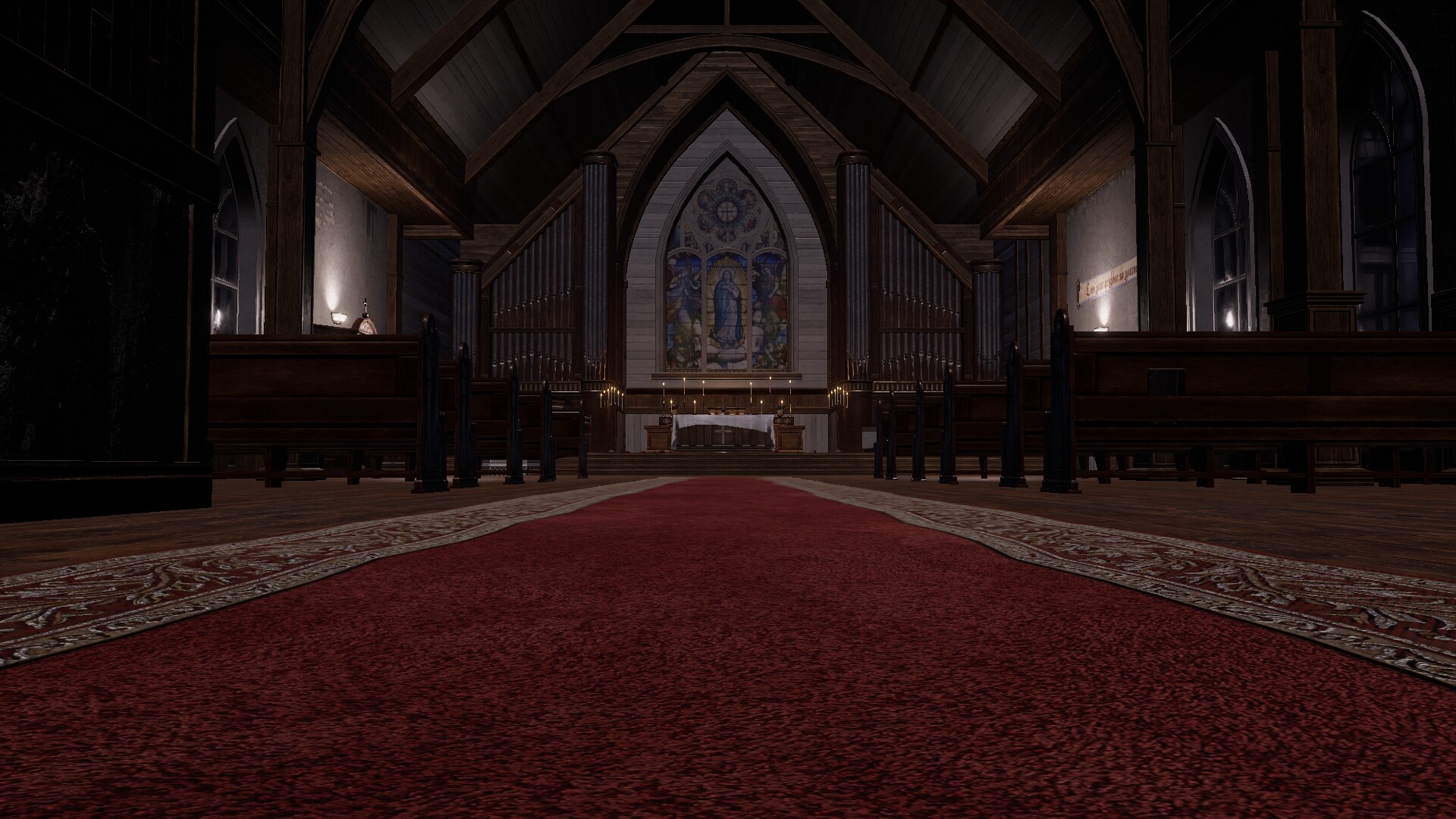
According to the official description, you play as Jin, investigating a property that feels “less abandoned than erased.” The mansion’s rooms are presented as both puzzle arenas and containers of story: locked doors, hidden compartments, safes, and secured systems become logical obstacles whose solutions reveal documents, transfer records, and partial identities. The game foregrounds object logic — using items and systems in believable, interlocking ways — and ties those mechanical beats to an investigative narrative about people who passed through the estate under strict control.

When and where
Trace of the Villa is available on Steam and released on 28 May, 2026. It appears on Steam as an Action / Adventure / Indie title published and developed by Steadyturtle Co., Ltd., and includes single-player and accessibility-oriented categories such as Subtitle Options and Playable without Timed Input.
Why the mansion-as-room matters
Rooms in puzzle-adventure design can be purely mechanical spaces (a lock and its key) or they can be narrative vessels that accumulate meaning. The Steam description emphasizes furnished rooms where identities feel erased: the lack of photos and names turns each chamber into a clue-rich environment. That design choice alters the player’s reading strategy — instead of encountering isolated puzzles, you interpret objects as evidence. When rooms carry narrative weight, solving a puzzle is also a small act of excavation.
How you progress: clue reading, object logic, story puzzles
Progression in Trace of the Villa is framed as investigative reconstruction. The official copy notes that restoring power and unlocking secured systems yields fragments like manifests and transfer records. That implies a loop of discovery: restore a system or open a safe, read a fragment, adjust your mental map of the house’s timeline, then hunt for the next physical or systemic lock that confirms or contradicts that map. Object logic matters because items and systems behave as coherent tools — safes yield documents, terminals reconnect systems — and those outputs feed story puzzles that need pattern recognition and contextual inference rather than pure dexterity.
Player scenarios (who should wishlist this)
- Investigation-first players: You prefer piecing together a timeline from documents, manifests, and partial records rather than action beats. The game’s framing around Jin’s search for his sister supports that investigative arc.
- Atmosphere and slow-burn suspense fans: If you favor a methodical mood where rooms reveal themselves gradually, the mansion-as-container approach fits.
- Puzzle players who like object logic: If you enjoy puzzles that feel like plausible interactions with the environment (power systems, safes, hidden compartments), this design will likely reward you.
- Accessibility-minded players: Steam categories include Subtitle Options and Playable without Timed Input, which suggests the experience aims to be approachable for players who need those features.
Comparison: where Trace of the Villa sits among room-based puzzle games
Below is a focused editorial comparison on lawful criteria: genre, atmosphere, puzzle focus, exploration style, story tone, and player fit. This is editorial discovery, not an endorsement.
| Title | Genre / Feel | Puzzle focus | Exploration style | Story tone / Pacing | Player fit |
|---|---|---|---|---|---|
| Trace of the Villa | Action / Adventure / Indie — mansion mystery | Clue reading, object logic, secured systems and documents | Room-by-room mansion with interconnected systems | Mysterious, investigative, slow-unfolding (official description emphasizes erased identities) | Players who like environmental storytelling and investigative puzzles |
| The Room | Adventure / Indie — tactile puzzle box | Mechanical puzzle boxes and contraptions | Isolated chamber experiences focused on single complex objects | Cryptic, puzzle-focused; concentrated sessions around singular devices | Fans of intricate mechanical puzzles and tactile inspection |
| The Room Two | Adventure / Indie — extended puzzle box environments | Layered mechanical puzzles across linked set pieces | Series of distinct but connected locations with set-piece puzzles | Continues cryptic and atmospheric approach; exploratory pacing | Players who enjoyed the first entry and want more layered mechanical puzzles |
| Escape Simulator | Adventure / Simulation / Indie — interactive escape rooms | Highly interactive objects, physics, and community-made rooms | Discrete escape-room scenarios; emphasis on interactivity and co-op | Varied pacing depending on room design; generally fast problem-solving | Players who like physical interaction, cooperative play, and sandboxed rooms |
| Unpacking | Casual / Indie / Simulation — zen household puzzles | Placement and contextual puzzles that reveal life narrative | Home spaces that evolve through object placement | Quiet, reflective, narrative told through possessions | Players looking for low-pressure, story-through-objects experiences |
YouTube discovery
For trailers and gameplay searches, you can check YouTube search results here: Trace of the Villa — trailer & gameplay search on YouTube. This is a discovery link; specific videos should be verified on a case-by-case basis.
Final read: how the mansion design shapes your decisions
Trace of the Villa frames rooms as the primary unit of both
Leave a Reply