
Trace of the Villa: Rooms as Puzzle Spaces and Story Containers
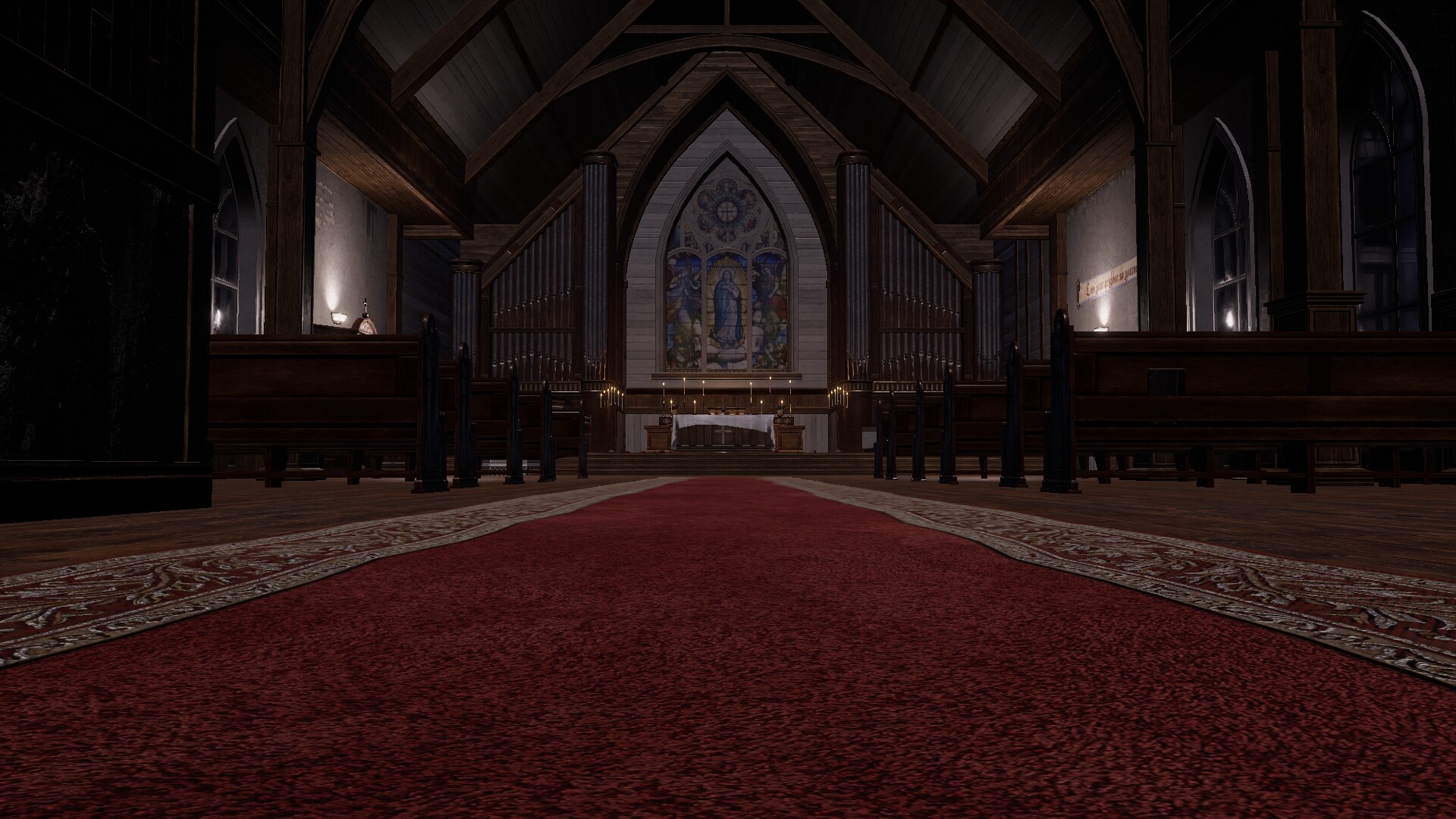
Steadyturtle’s Trace of the Villa places you in a remote, decaying mansion where every locked door and abandoned room stores both mechanical puzzles and pieces of a baffling human story. The game stitches clue-reading, object logic, and layered story puzzles into rooms that feel like sealed chapters—each one offering a practical challenge and an emotional reveal.

What Trace of the Villa is
Trace of the Villa (Steam appid 3483660) is an atmospheric mystery adventure built around investigation and puzzle-solving. The player follows Jin, who arrives at a deliberately forgotten estate after following leads on his missing sister. Inside the mansion, powered systems, locked safes, and encrypted documents become the scaffolding for a narrative that slowly exposes falsified identities and curated absences.
Who this is for
- Players who prefer clue-driven exploration and environmental storytelling over action-oriented pacing.
- Fans of slow-burn suspense and psychological investigation set inside a single, evocative location.
- Puzzle players who enjoy object logic—reading documents, restoring systems, and combining physical evidence to unlock the next room.
When and where
Trace of the Villa released on 28 May, 2026 and is available on Steam. It is presented by developer/publisher Steadyturtle Co., Ltd. and carries Action, Adventure, and Indie genre tags with Steam categories including Single-player, Color Alternatives, Custom Volume Controls, Playable without Timed Input, Subtitle Options, and Family Sharing.
Why the theme matters
The mansion in Trace of the Villa is more than a backdrop: the setting is designed as an institutional container for disappearance and concealment. Rooms remain furnished but stripped of identity—no photographs, no ownership—so every object you examine becomes evidence. The theme of erasure (falsified identities, financial trails that go nowhere) turns ordinary puzzle beats—finding keys, restoring power, opening safes—into discoveries about how people were moved through the place and why their histories were erased.
How you progress: reading clues, object logic, and story puzzles
Progression in Trace of the Villa is built on three interlocking systems:
- Clue reading: Manifests, transfer records, and encrypted fragments appear as discrete finds. They don’t just give codes; they reframe a room’s meaning.
- Object logic: The mansion’s objects are functional puzzles—restore power to bring systems back online, use tools to access hidden compartments, and manipulate safes or devices whose purpose is revealed by careful inspection.
- Story puzzles: Solving a mechanical problem usually yields narrative artifacts: a document, a name, an entry that nudges the timeline forward. The story and the puzzles advance together, so the satisfaction of unlocking a safe is immediately narrative as well as mechanical.

Features and practical notes
| Title | Trace of the Villa |
|---|---|
| Developer / Publisher | Steadyturtle Co., Ltd. |
| Release date | 28 May, 2026 |
| Steam appid | 3483660 |
| Genres | Action, Adventure, Indie |
| Key Steam categories | Single-player; Color Alternatives; Custom Volume Controls; Playable without Timed Input; Subtitle Options; Family Sharing |
| Platform / Context | PC — available on Steam |
Player scenarios — who will click wishlist
- The investigative slow-burner: If you enjoy careful reading of notes and piecing together timelines from small fragments, the mansion’s layered files and manifests will reward patience.
- The environmental storyteller: Players who like games that make the space do the talking—rooms that show absent routines and erased lives—will find the estate’s design compelling.
- The logic-first puzzler: If you prefer puzzles with clear object logic—restoring power, unlocking safes, following tangible cause-and-effect—Trace of the Villa puts those systems at the center of progression.
How it compares — quick editorial table
| Title | Puzzle focus | Atmosphere / Tone | Exploration & rooms | Pacing |
|---|---|---|---|---|
| Trace of the Villa | Clue-reading, object logic, safes/encrypted documents | Atmospheric, slow-burn mystery centered on erasure and concealment | Mansion rooms act as sealed story containers | Methodical, investigative |
| The Room | Mechanical, tactile puzzle boxes and safes | Claustrophobic, occult-tinged mystery | Single-room/contained-chamber focus | Sequential, puzzle-chamber driven |
| The Room Two | Complex mechanical puzzles with layered reveals | Mysterious, atmospheric exploration of forgotten places | Multiple interconnected locations with puzzle pedestals | Gradual escalation across scenes |
| Escape Simulator | Highly interactive object puzzles with physics and manipulation | Light to tense, depends on room design | Many compact, handcrafted escape rooms (solo or co-op) | Variable — often quick, room-sized bursts |
Steam pageView Trace of the Villa on Steam YouTube discoveryFor trailer and gameplay discovery, use YouTube search rather than relying on unverified embeds: Find Trace of the Villa trailer and gameplay searches on YouTube. CommentsMore posts |
Leave a Reply