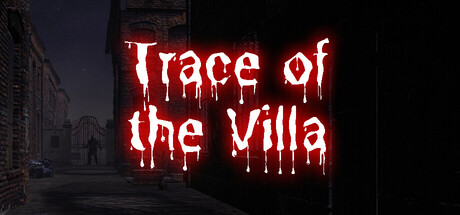
Trace of the Villa — how rooms shape puzzles and tell the story
Trace of the Villa is an atmospheric mystery adventure about Jin, a man tracking clues through a remote, decaying mansion to find his missing sister. Released on 28 May, 2026 by Steadyturtle Co., Ltd., the game frames each room as both a logic puzzle and a piece of erased lives.

Who this is for
If you favor slow-burn suspense, environmental storytelling, and puzzle systems that reward careful reading of objects and manifests, Trace of the Villa targets your tastes. It sits between narrative-driven adventure and investigative puzzle design: players who enjoy decoding documents, piecing together timelines, and solving room-sized logic challenges will find the experience most appealing.
What the game is
Trace of the Villa places you in Jin’s search for his missing sister. The Steam description lays out a mansion that looks abandoned but behaves as if occupants were simply erased: furnished rooms, locked doors, hidden compartments and encrypted documents that come into play as you restore power and piece together a disturbing operation behind the estate. The developers and publishers are Steadyturtle Co., Ltd., and the game is listed on Steam under Action / Adventure / Indie.
When and where
Trace of the Villa released on 28 May, 2026 and is available on Steam for PC. The store page includes multiple screenshots and a trailer discovery link (see the YouTube search below) and lists options like subtitles, color alternatives and custom volume controls.
Why the mansion matters (theme and tone)
The mansion in Trace of the Villa functions as two things at once: a sequence of puzzle spaces and a container for story fragments. Rooms are staged to imply interrupted routines — personal belongings left in place but identities strip-mined from the record — which turns investigation into an act of cultural recovery. Rather than a string of isolated riddles, the puzzles exist to reconstruct what the estate tried to erase: who came and went, which systems were shut down, and whether Jin’s sister is still alive at the end of the trail.
How you play — reading clues, object logic, and narrative puzzles
The official store description highlights a handful of concrete systems: restoring power, bringing secured systems online, unlocking hidden compartments, and extracting fragments from safes and encrypted documents. These are the mechanical hooks: clues appear in manifests and transfer records; object logic links inventory items, environmental affordances, and on-screen systems; and story puzzles surface when evidence stitches into a timeline. Expect a puzzle loop that alternates between detailed item work (read this ledger, move this fuse, match names and dates) and reinterpretations of rooms once a new system is powered or a compartment is revealed.


Practical buying criteria
Use these quick checks to decide if Trace of the Villa fits your wishlist:
- You enjoy reading and cross-referencing documents as core gameplay rather than cosmetic detail.
- You prefer puzzle progression tied to systems (power, locks, safes) and environmental change over twitchy action.
- You want a story that unfolds in fragments across rooms rather than explicit cutscenes.
- Accessibility features such as subtitle options and custom volume controls are present on the Steam page.
Compact facts — Trace of the Villa
| Title | Trace of the Villa |
|---|---|
| Release date | 28 May, 2026 |
| Developer / Publisher | Steadyturtle Co., Ltd. |
| Genres | Action, Adventure, Indie |
| Steam categories | Single-player; Color Alternatives; Custom Volume Controls; Playable without Timed Input; Subtitle Options; Family Sharing |
| Steam reviews | No user reviews (store summary) |
| Store | Trace of the Villa on Steam |
How it compares — quick table for puzzle-adventure players
Below are editorial comparisons on lawful criteria — genre, atmosphere, puzzle focus and pacing — to help you place Trace of the Villa among familiar puzzle-adventure choices.
| Title | Core genre / tone | Puzzle & room focus | Pacing / who might like it |
|---|---|---|---|
| Trace of the Villa | Action / Adventure / Indie — mansion mystery, investigative tone | Object logic, document decoding, power/lock systems; rooms reveal story fragments | Players who want slow, clue-driven exploration and narrative reconstruction |
| The Room | Adventure / Indie — intimate mechanical mystery | Single-room, tactile puzzle boxes and mechanical contraptions | Fans of tactile, self-contained puzzle chambers and ornate devices |
| The Room Two | Adventure / Indie — extended mechanical mystery | Chain of puzzle locations with linked mechanical puzzles; exploratory crypt-like spaces | Players who liked the first game and want expanded, interconnected puzzle locales |
| Escape Simulator | Adventure / Casual / Indie — interactive escape-room play (solo or co-op) | Highly interactive rooms, physics and inventory interactions, community-made levels | Players who want tactile interaction, co-op escapes, and lots of community content |
| Unpacking | Casual / Indie — zen, domestic reconstruction | Spatial, object-placement puzzles that tell life stories through possessions | Players who prefer low-pressure, narrative-through-objects and slice-of-life pacing |
Player scenarios — who will enjoy particular moments
- Scenario A: You like methodical puzzle work and paper trails — you’ll spend time cross-referencing manifests and encrypted fragments to push the story forward.
- Scenario B: You enjoy atmospheric rooms that change meaning once systems are reactivated — expect shifts in what a room communicates after power is restored or a compartment opens.
- Scenario C: You prefer rapid-action puzzle loops or multiplayer chaos — Trace of the Villa is not pitched as a co-op or party escape experience; it emphasizes solitary investigation.
YouTube discovery
YouTube discovery
For trailer and gameplay discovery, use YouTube search rather than relying on unverified embeds: Find Trace of the Villa trailer and gameplay searches on YouTube.
Leave a Reply