
Trace of the Villa: rooms as puzzle spaces and story containers
Trace of the Villa positions a decaying mansion as both a sequence of puzzles and a slow-burning narrative — Jin’s search for his missing sister unfolds as locked rooms, powered systems, and fragmentary records that the player must read and reassemble. Released on 28 May, 2026 by Steadyturtle Co., Ltd., the game frames clue-reading, object logic, and story puzzles around physical rooms that hold, conceal, and reveal identity.

Who: who should consider this on their Steam wishlist
Players who prefer atmospheric mystery adventure on PC — those who like investigating environments for narrative fragments, reading clues rather than relying on combat spectacle, and parsing object logic to unlock story beats — will find Trace of the Villa aligned with their tastes. The official Steam listing frames the experience around a personal investigation (protagonist Jin) and slow revelations made concrete by rooms and secured systems.
What: what the game is, in plain terms
Trace of the Villa is an Action / Adventure / Indie title from Steadyturtle Co., Ltd. set in a remote mansion that feels intentionally erased of identity. The Steam description emphasizes restored power, hidden compartments, safes, encrypted documents, and financial trails discovered as puzzles are solved — a design that blends environmental storytelling and clue-driven exploration.
When & where: availability and platform context
Trace of the Villa launched on Steam on 28 May, 2026 and is presented as a PC/Steam release in an indie context. The Steam page lists the developer and publisher as Steadyturtle Co., Ltd. and classifies the game under Action, Adventure, Indie with single-player and accessibility-related categories such as Color Alternatives and Subtitle Options.
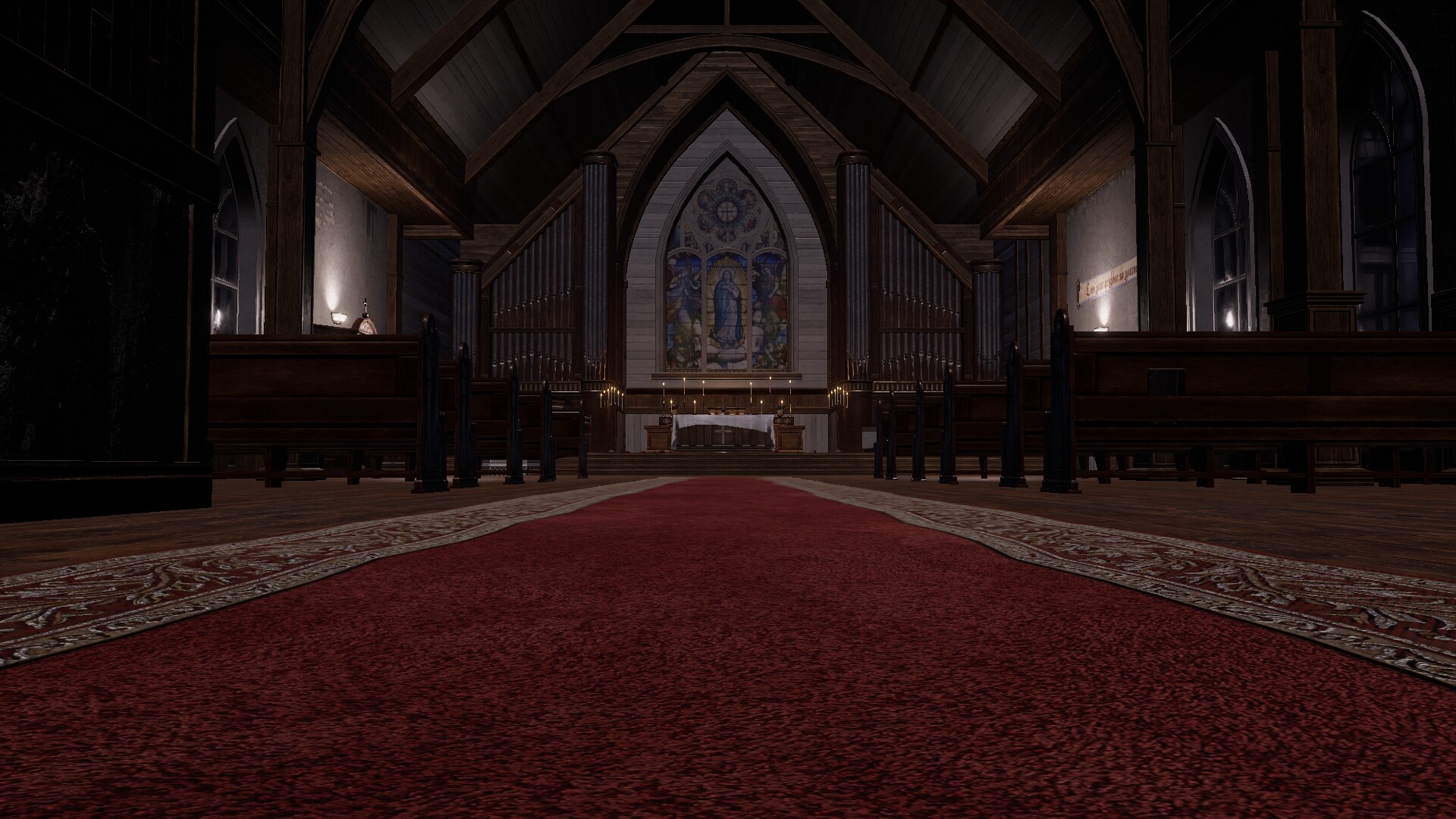

Why this setting matters: rooms as containers of story and puzzle
The Steam description explicitly presents the mansion as “less abandoned than erased,” where rooms remain furnished as if occupants vanished mid-routine and identities are missing. That exact premise makes each room perform double duty: a puzzle space (locked doors, safes, powered systems) and a story container (manifests, transfer records, encrypted fragments). Rooms force attention — you must inspect objects, restore systems, and interpret traces — which ties the act of solving directly to narrative revelation.
How you progress: reading clues, object logic, and story puzzles
- Clue reading: the game surfaces manifests, hints, and fragments of encrypted documents that serve as interpretation tasks rather than purely mechanical keys.
- Object logic: physical objects and systems (restoring power, unlocking compartments, retrieving safes) act as both tools and signposts; solving object-based problems opens narrative layers.
- Story puzzles: puzzles aren’t isolated setpieces — they yield evidence (financial trails, falsified identities) that reframes what you’ve already seen and changes how rooms read as narrative spaces.
Compact facts: Trace of the Villa
| Title | Trace of the Villa |
|---|---|
| Steam AppID | 3483660 |
| Release date | 28 May, 2026 |
| Developer | Steadyturtle Co., Ltd. |
| Publisher | Steadyturtle Co., Ltd. |
| Genres | Action, Adventure, Indie |
| Key Steam categories | Single-player; Color Alternatives; Custom Volume Controls; Playable without Timed Input; Subtitle Options; Family Sharing |
| Official short description | Jin has spent years searching for his missing sister, pursuing leads that took him to a remote, decaying mansion where he recovered manifests and hints that indicate his sister may still be alive, somewhere at the end of the trail he is about to follow. |
Who will like Trace of the Villa — player scenarios
- Investigator readers: You enjoy piecing a narrative from receipts, logs, and partial documents. Rooms that reveal context through found items are your pacing preference.
- Atmosphere-first explorers: You want slow-burn suspense driven by environmental detail rather than combat spectacle; the mansion’s erased identities and powered systems create that mood.
- Puzzle narrativists: You appreciate puzzles that change how you interpret story fragments — solving a safe doesn’t just give a key, it reframes motive and raises new questions.
How it compares to nearby puzzle-adventure experiences
Below is an editorial comparison on lawful criteria: genre, atmosphere, puzzle focus, exploration style, story tone, and pacing. These are editorial observations based on the Steam descriptions and publisher-provided summaries for each title.
| Title | Genre(s) | Puzzle focus | Atmosphere / story tone | Exploration style | Pacing / player fit |
|---|---|---|---|---|---|
| Trace of the Villa | Action, Adventure, Indie | Clue-reading, object-based puzzles; restoring systems and unlocking compartments | Atmospheric, investigative, erased identities and concealed operation | Room-by-room environmental investigation tied to narrative fragments | Slow-burn; for players who like narrative payoff from piecing evidence |
| The Room | Adventure, Indie | Mechanical safes and tactile puzzle boxes | Mysterious, intimate puzzles with an occult edge | Focused, single-room/space puzzle encounters | Compact, tactile puzzle experience for players who enjoy handcrafted contraptions |
| The Room Two | Adventure, Indie | Expanded mechanical puzzles across interconnected locations | Cryptic and atmospheric with escalating mystery | Sequential locations each with layered puzzle objects | Players who enjoyed the first and want broader, more varied setpieces |
| Escape Simulator | Adventure, Casual, Indie, Simulation | Highly interactive escape-room mechanics; object manipulation | Playful, cooperative or solo escape-room tone | Room-based, physics-enabled interaction with community-created rooms | Good for players who prefer hands-on puzzle manipulation and co-op play |
| Unpacking | Casual, Indie, Simulation | Block-fitting and item-placement as puzzle and narrative device | Zen, domestic, intimate life-story revealed through possessions | Room-by-room domestic spaces reconstructed through items | Best for players who prefer quiet, interpretive storytelling via objects |
Steam discovery & context
Trace of the Villa is presented on Steam as a single-player, story-forward experience with accessibility options like subtitles and color alternatives noted on the store page. The developer and publisher are both Steadyturtle Co., Ltd., and the Steam listing positions the mansion investigation as the narrative engine: restoring power, unlocking safes, and recovering documents are the explicit methods of uncovering what happened.
YouTube discovery
If you want trailer or gameplay clips, search YouTube for Trace of the Villa — use this discovery path rather than assuming any single video is official: YouTube search: Trace of the Villa trailer gameplay.
Leave a Reply