
Trace of the Villa: Rooms as Puzzle Spaces and Story Containers
Trace of the Villa places you in a decaying, off-the-grid mansion where investigation and room-by-room puzzle work reveal a tightly kept mystery. Developed and published by Steadyturtle Co., Ltd., the game stages clue reading, object logic, and encrypted fragments inside furnished rooms that feel less abandoned than deliberately erased.

Quick facts
| Title | Trace of the Villa |
|---|---|
| Developer / Publisher | Steadyturtle Co., Ltd. |
| Release date | 28 May, 2026 |
| Steam appid | 3483660 |
| Official short description | Jin has spent years searching for his missing sister, pursuing leads that took him to a remote, decaying mansion where he recovered manifests and hints that indicate his sister may still be alive, somewhere at the end of the trail he is about to follow. |
| Genres / Categories | Action, Adventure, Indie — Single-player; Color Alternatives; Custom Volume Controls; Playable without Timed Input; Subtitle Options; Family Sharing |
Who should wishlist this
If you enjoy atmospheric mystery adventure on PC — players who prefer slow-burn suspense, environmental storytelling, and puzzle rooms that act as narrative containers — Trace of the Villa is aimed at you. It’s also a fit for players who like investigative pacing rather than constant action: the Steam listing frames the premise around restoring systems, unlocking secured compartments, and assembling fragments of encrypted documents and suspicious transfer records.
What the game is (and isn’t)
Trace of the Villa casts you as Jin, a protagonist searching for his missing sister. The mansion is described as deliberately forgotten — cut off from the grid, with signs of past occupancy but few identifiers: “no photographs, no names, no history.” The experience revolves around restoring power and systems, opening hidden compartments and safes, and following financial and identity traces uncovered by puzzles. While the Steam page lists Action and Adventure among the genres, the core appeal comes from clue-driven exploration of rooms that hold both mechanical puzzles and story fragments.
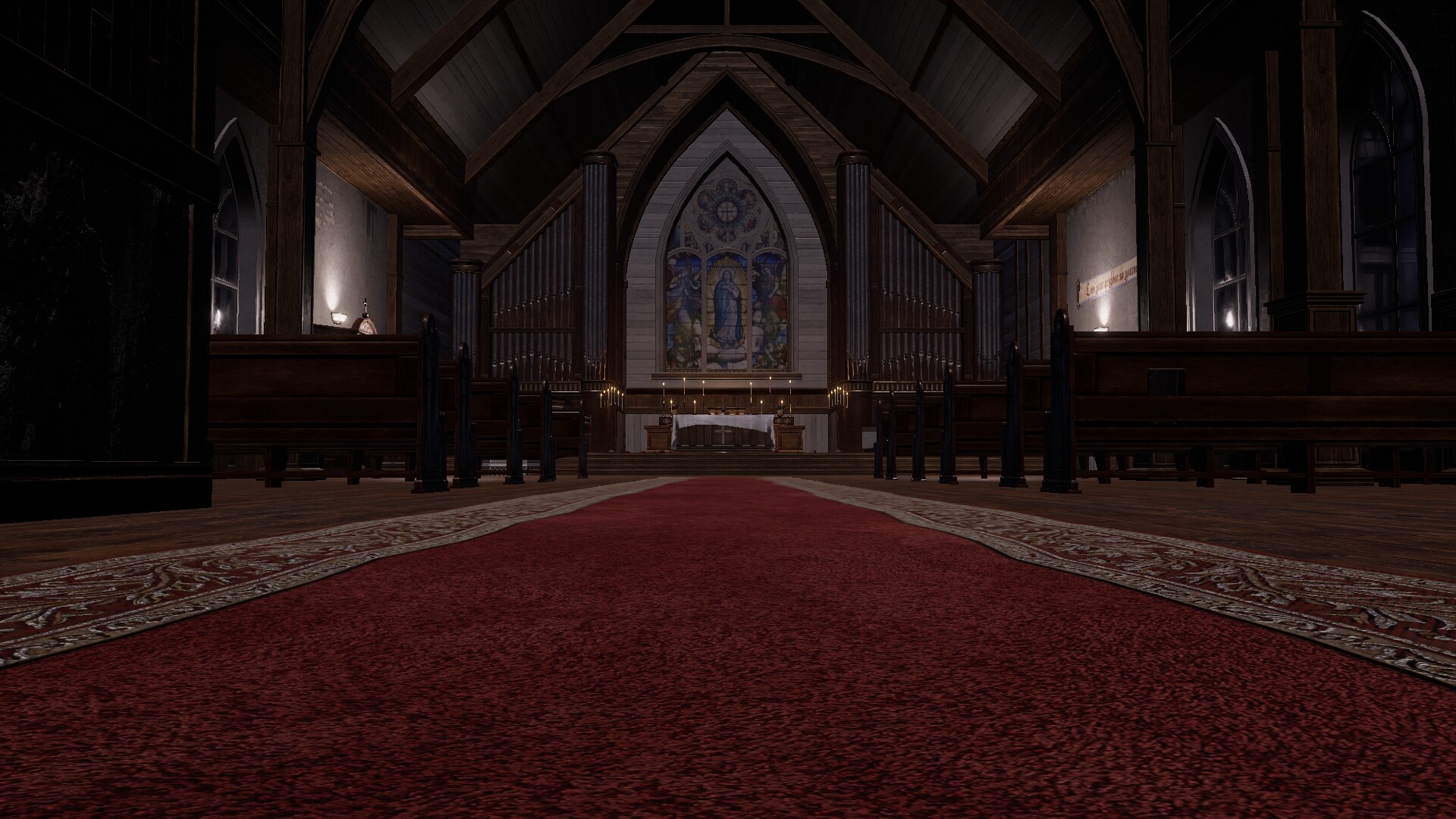
When and where
Trace of the Villa is available on Steam with a release date of 28 May, 2026. The Steam store page lists it for PC and presents standard accessibility options such as subtitle options, custom volume controls, and color alternatives.
Why the mansion-as-room matters
On paper, a mansion is a classic container for mystery; in Trace of the Villa the rooms are explicit storytelling devices. Each furnished space—kitchen, study, locked bedroom, service area—functions as a micro-ecosystem of clues: physical props, secured systems that need power to boot, safes and encrypted documents. The Steam description emphasizes that restoring power “makes the house begin to reveal what it was hiding,” which signals design where environmental state changes (lights on, systems online) open new layers of information. That architecture turns rooms into puzzles and puzzles into evidence, aligning mechanical discovery with narrative revelation.
How you read clues and progress
Puzzle progression in Trace of the Villa is organized around sequential discovery and object logic. The Steam text highlights locked doors, hidden compartments and safes that “yield fragments of encrypted documents and suspicious transfer records.” Expect to piece together context from partial records and manifests, chain together power restoration and system access, and use in-room logic to bridge small object puzzles to larger investigative leads. The emphasis is on gathering fragments that point toward a broader, concealed operation—arrivals without records, falsified identities, and movements masked behind false paperwork—so reading clues here is as much about assembling a timeline as it is about solving locks.
Comparison: where Trace of the Villa sits among room-driven puzzle adventures
| Game | Puzzle focus | Atmosphere | Exploration style | Story tone | Pacing / Player fit |
|---|---|---|---|---|---|
| Trace of the Villa | Clue reading, object logic, encrypted documents, power/system restoration | Decaying mansion, erased identities, slow-burn suspense | Room-by-room, state changes (power on), hidden compartments and safes | Investigative, psychological, procedural traces of a larger operation | Measured exploration for players who prefer narrative puzzle assembly |
| The Room | Mechanical, tactile puzzle boxes and safes (attic and safe-focused) | Claustrophobic, tactile mystery | Single-room to small-location puzzle solving | Mysterious, occult-leaning curiosity | Players who like focused object puzzles and tactile lockwork |
| Escape Simulator | Highly interactive escape-room mechanics, physics-driven interactions | Varied (depends on room) — playful to tense | Highly interactive environments with moveable furniture and objects | Design-led, community content and puzzle variety | Good for players who enjoy mechanical interactivity and co-op or creative rooms |
| Unpacking | Domestic, object-placement puzzles that reveal life through possessions | Zen, reflective, intimate | Non-linear room furnishing as narrative device | Quiet, slice-of-life storytelling revealed through items | Players who prefer low-pressure, narrative-driven, item-based discovery |
Player scenarios: who will get the most from Trace of the Villa
Scenario A — The methodical puzzle detective
You like assembling timelines from fragments, cross-referencing documents, and using environmental state changes to unlock next steps. You want tangible cause-and-effect: flip a breaker, a terminal boots, a hidden compartment reveals a receipt. The Steam description’s emphasis on manifests, encrypted documents, and falsified identities indicates these players will find the reward in connecting small evidence to a larger pattern.
Scenario B — The atmospheric investigator
You prioritize mood and psychological tension. Rooms staged “as if occupants vanished mid-routine” and the lack of names or photos create an uncanny sense of absence. If you favor slow-burn suspense and environmental storytelling over relentless action, this mansion’s design aims directly at that taste.
Scenario C — The completionist who likes layered puzzles
You enjoy multi-step puzzles that require gathering items, returning to earlier spaces with new functionality (for example, after restoring power), and seeing the environment shift around you. The Steam page’s repeated mention of secured systems coming online suggests several puzzles hinge on unlocking systemic functionality rather than single-item uses.
Accessibility and presentation notes
Steam metadata lists helpful categories: Color Alternatives, Custom Volume Controls, Playable without Timed Input, Subtitle Options, and Family Sharing. These entries point to basic accessibility and quality-of-life options that help players who need more control over presentation and pacing.
YouTube discovery
Want to see how the rooms and puzzles look in motion? Search for trailers and gameplay clips using this YouTube discovery link (search results may include developer or community videos): Trace of the Villa — YouTube search.
Should you wishlist it?
If you appreciate story-rich adventure with a focus on clue reading, object logic, and rooms that double as story containers, add Trace of the Villa to your Steam wishlist. It’s for players who like to parse small details and let rooms unfurl narrative through mechanical interactions rather than dialogue-heavy exposition.
View Trace of the Villa on Steam
Disclaimer
Referenced titles and trademarks belong to their respective owners. Comparisons in this article are editorial discovery only and not endorsements. All game facts (release date, developer/publisher, genres, categories, and descriptions) are taken from the Steam app listing and provided source data.
Leave a Reply