
Trace of the Villa: rooms as puzzle spaces and story containers
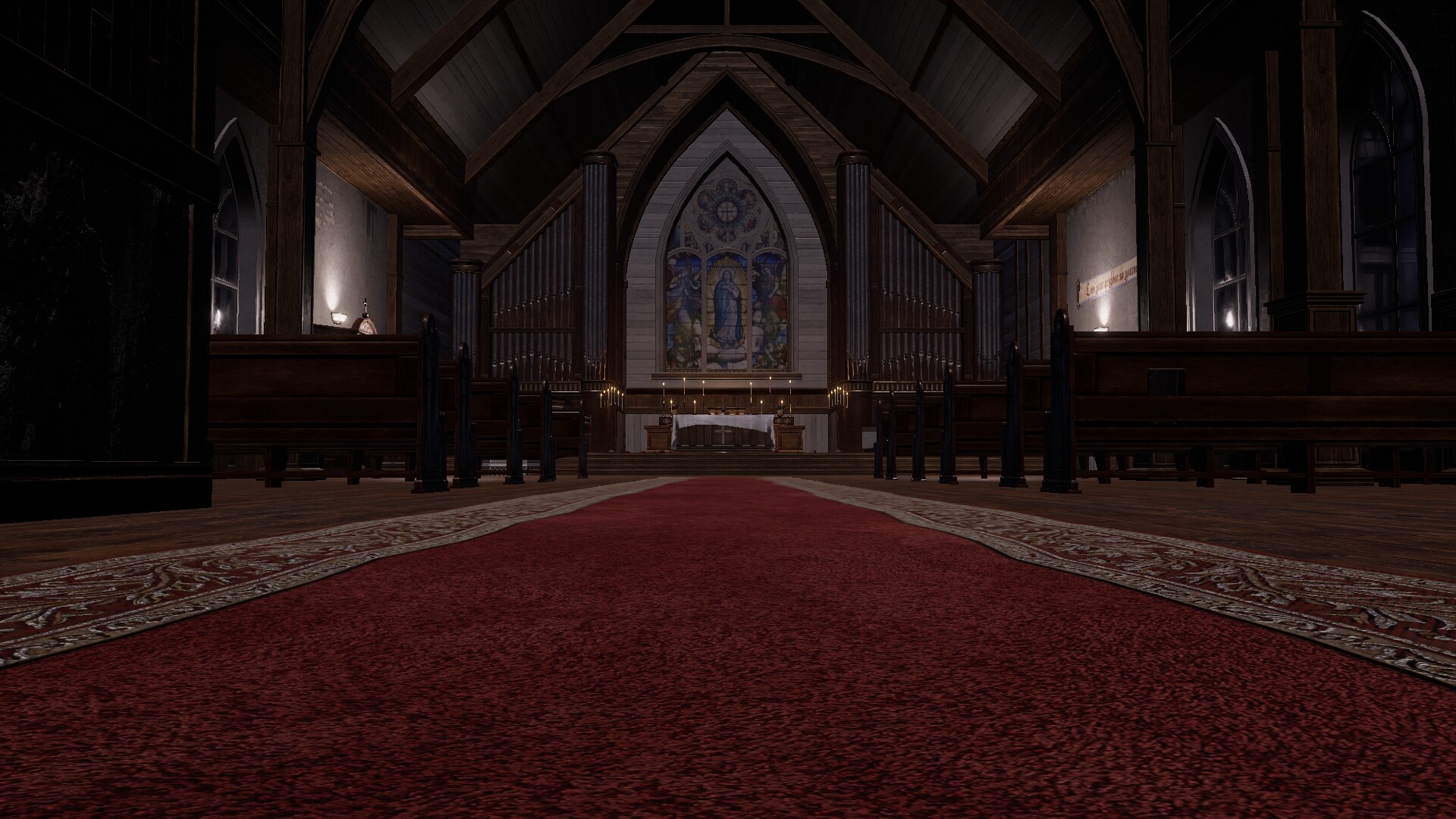
Trace of the Villa places you inside a remote, decaying mansion as Jin, a man following sparse manifests and hints that suggest his missing sister might still be alive. Released 28 May, 2026 by Steadyturtle Co., Ltd., the game blends atmospheric mystery adventure with clue-driven exploration and narrative puzzle design.

Who this is for
If you prefer slow-burn suspense, environmental storytelling, and puzzles that unspool through careful reading of rooms and objects, Trace of the Villa will likely fit your taste. The game is aimed at solo PC/Steam players who enjoy story-rich adventure and psychological investigation rather than fast-paced action: it lists Action, Adventure, Indie as genres and is offered as a Single-player experience on Steam.
Accessibility-minded players should note a few Steam-listed options: Color Alternatives, Custom Volume Controls, Playable without Timed Input, Subtitle Options, and Family Sharing are included in the game’s Steam categories.
What the game is
Official short description: “Jin has spent years searching for his missing sister, pursuing leads that took him to a remote, decaying mansion where he recovered manifests and hints that indicate his sister may still be alive, somewhere at the end of the trail he is about to follow.”
The longer official description frames the mansion itself as both a crime scene and a narrative machine: rooms appear “erased” of identity, furnished as if occupants vanished mid-routine, with secured systems, hidden compartments, and safes that reveal fragments of encrypted documents and suspicious transfer records as power is restored. Those recovered fragments and manifests are the raw material for the game’s story puzzles and investigative loop.
When and where — Steam/PC context
Trace of the Villa released on Steam on 28 May, 2026. It is developed and published by Steadyturtle Co., Ltd. — find it on Steam for PC through the official store page.
Why the mansion setting matters
Rooms function as both puzzle spaces and story containers: a well-staged bedroom, study, or service corridor can hold a mechanical puzzle, a ledger fragment, and the implied life of an absent occupant at once. In Trace of the Villa that dual role is explicit — personal belongings are left undisturbed but identities are missing, and mechanical or electronic systems that come back online provide layered revelations. That design pushes players to read objects in context (who owned this, what was routine here?) and to treat solved puzzles as narrative beats rather than isolated challenges.
How you read clues and progress
Progress in this game is built around restoring systems and interpreting recovered materials. The official description notes that when Jin restores power, “secured systems come back online. Hidden compartments unlock. Safes yield fragments of encrypted documents and suspicious transfer records.” Those fragments and manifests become the clues you assemble into a timeline: arrivals without records, departures without witnesses, movements masked behind false identities.
That implies a puzzle rhythm based on observation and deduction rather than twitch skill: find evidence, combine it with prior fragments, and use installed systems (power, safes, secured electronics) to reveal the next lead. Because the Steam listing includes “Playable without Timed Input,” players who dislike time pressure should still be able to methodically examine rooms.
Player scenarios — who should wishlist it
Scenario A — The patient investigator
You enjoy assembling a story from ledger entries, audio logs, and small artifacts. You value pacing and atmosphere, and prefer puzzles that connect to narrative beats. Trace of the Villa’s manifest- and system-first revelations are well suited to your approach.
Scenario B — The room reader
Your gameplay centers on contextual deduction: a bedside drawer tells you more than a cipher, and the arrangement of objects indicates character. The mansion-as-container design rewards close inspection and cross-referencing across rooms.
Scenario C — The accessibility-minded puzzler
You need options like no timed inputs or customizable volume and color alternatives. The Steam categories list those options explicitly, making Trace of the Villa a reasonable fit if you want a narrative puzzle game with those listed accessibility signals.
Compact facts — Trace of the Villa
| Title | Trace of the Villa |
|---|---|
| Steam App ID | 3483660 |
| Developer | Steadyturtle Co., Ltd. |
| Publisher | Steadyturtle Co., Ltd. |
| Release date | 28 May, 2026 |
| Genres | Action, Adventure, Indie |
| Categories / features | Single-player; Color Alternatives; Custom Volume Controls; Playable without Timed Input; Subtitle Options; Family Sharing |
How it compares to nearby puzzle-adventure experiences
Below is an editorial comparison on lawful criteria: puzzle focus, atmosphere, exploration style, and pacing. These comparisons are descriptive — not endorsements.
| Game | Primary puzzle focus | Atmosphere / pacing | Exploration style | Release year |
|---|---|---|---|---|
| Trace of the Villa | Clue-driven investigation, object logic, story puzzles revealed by restoring systems | Atmospheric mystery; slow-burn, investigative | Room-by-room mansion exploration with recovered manifests and secured systems | 2026 |
| The Room | Mechanical, tactile safes and puzzle boxes | Mysterious, intimate; focused single-room puzzle tension | Contained-room puzzle with layered mechanical interactions | 2014 |
| Escape Simulator | Highly interactive escape-room puzzles, physics interactions | Active, cooperative or solo; puzzle-variety driven | Room sets with interactive objects and community-made levels | 2021 |
| Unpacking | Domestic, object-placement puzzles that reveal life narratives | Zen, reflective; gentle pacing | Room furnishing as narrative; no forced puzzles or timed pressure | 2021 |
Leave a Reply