
Trace of the Villa: rooms as puzzle spaces and story containers
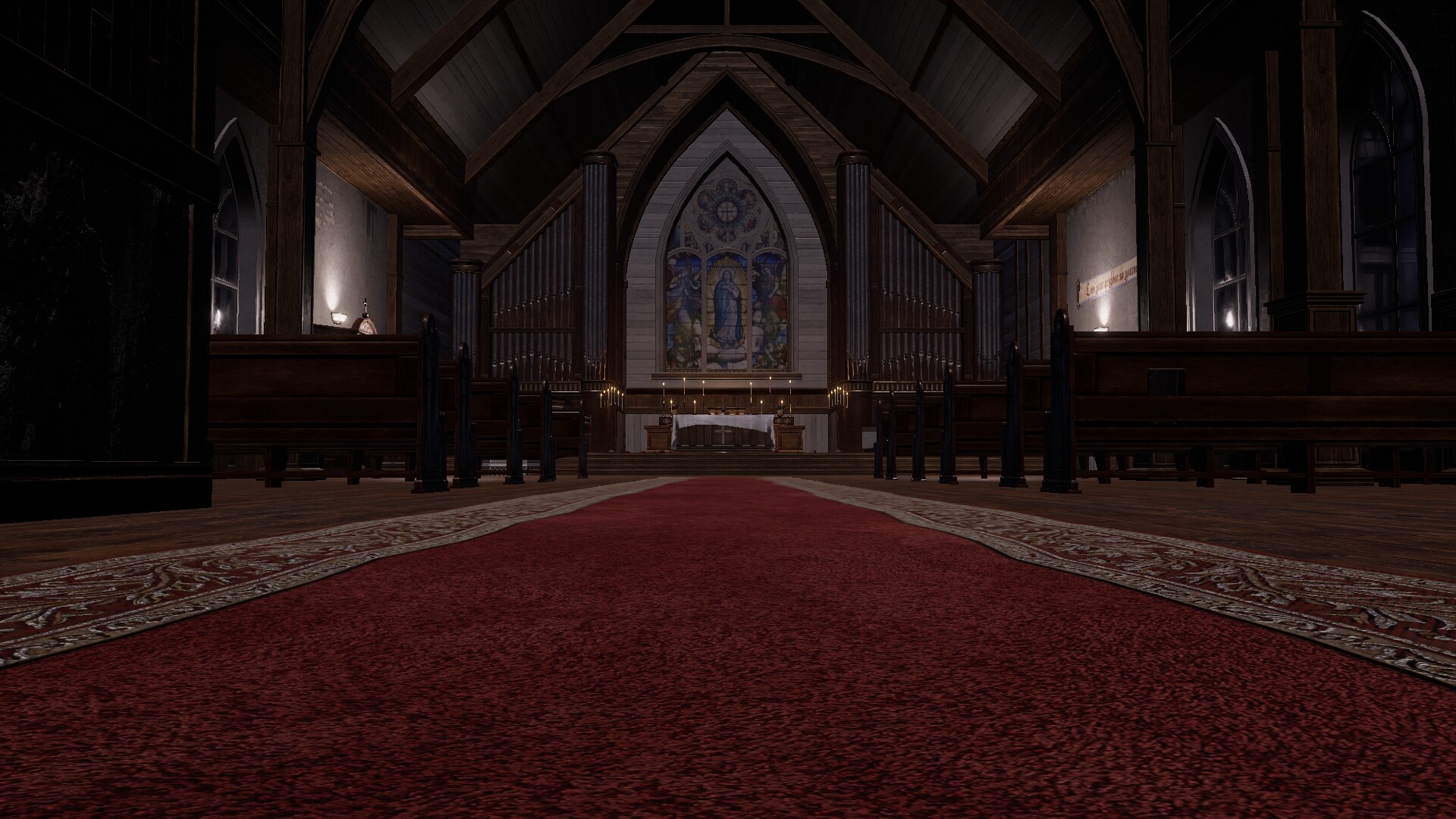
Steadyturtle’s Trace of the Villa (released 28 May, 2026) frames a decaying mansion as a chain of rooms that double as mechanical puzzles and narrative fragments. Jin’s search for his missing sister unfolds as you restore power, open safes and unlock hidden compartments — each solved object and clue rewrites the room’s meaning.

Quick facts
| Title | Trace of the Villa |
|---|---|
| Steam AppID | 3483660 |
| Release date | 28 May, 2026 |
| Developer | Steadyturtle Co., Ltd. |
| Publisher | Steadyturtle Co., Ltd. |
| Genres | Action, Adventure, Indie |
| Key categories | Single-player; Color Alternatives; Custom Volume Controls; Playable without Timed Input; Subtitle Options; Family Sharing |
| Store page | Trace of the Villa on Steam |
Who should wishlist this
- Players who prefer atmospheric mystery adventure and slow-burn suspense over fast action—this is a story-rich investigation tied to puzzle discovery.
- Fans of environmental storytelling who enjoy reading objects, manifests and transaction traces that slowly assemble a larger conspiracy.
- Those who appreciate accessibility options: subtitle choices, color alternatives, and a playable-without-timed-input design are explicitly listed on the Steam page.
What the game is
Trace of the Villa centers on Jin, a protagonist searching for his missing sister. The Steam description describes a decaying, off-grid mansion where rooms look as if occupants “vanished mid-routine.” When Jin restores power to the estate, secured systems come back online: hidden compartments open, safes yield encrypted documents, and financial transfer records begin to tell a story of identity erasure and controlled movements. The result is a puzzle-adventure that uses objects and documents not just as obstacles, but as story fragments that must be read logically and placed in sequence to reveal motive and timeline.
When and where
Trace of the Villa launched on Steam on 28 May, 2026. The Steam store lists PC (Steam) as the platform context and highlights single-player play with several accessibility and control options.
Why the room-as-container approach matters
Rooms in Trace of the Villa operate on two levels: as bounded puzzle arenas with internal logic and as containers for memory and absence. The Steam description emphasizes furniture left “as if their occupants vanished mid-routine” and the deliberate removal of names and photos — those absences become readable clues. Solving a mechanical lock or restoring a circuit isn’t only a gate to the next corridor; it’s a reveal that repopulates the room’s lost history. That coupling of object logic and narrative payoff makes each solved puzzle feel like a recovered fact rather than a mere key for a door.
How you read clues and progress
The official description details a progression based on systems returning online and physical containers opening: restore power, watch integrated systems react, then examine what safes and compartments reveal. Puzzles are anchored in documents (manifests, encrypted fragments, suspicious transfer records) and in object relationships inside rooms. The design leans on clue-reading and deduction: a discovered manifest or transfer record reframes earlier objects, and puzzle solutions feed new narrative leads that point to other rooms or records. That means gameplay alternates between tactile puzzle-solving and piecing together a scattered forensic timeline.

Comparison: where Trace of the Villa sits among puzzle-adventure peers
Below is an editorial comparison that focuses on puzzle emphasis, exploration style, atmosphere and pacing — not on sales, awards or endorsement.
| Title | Primary focus | Puzzle style | Exploration | Tone / Pacing |
|---|---|---|---|---|
| Trace of the Villa | Clue-driven mansion investigation (Jin searches for his missing sister) | Document reading, object logic, systems restoration, hidden compartments and safes | Room-by-room discovery; restoring power reveals new paths | Slow-burn, atmospheric mystery; psychological investigation over action |
| The Room | Single-room mechanical puzzle boxes and tactile manipulation | Intricate physical puzzles, layered safes and mechanisms | Modal, intimate chambers rather than a large explorable estate | Claustrophobic, mechanical puzzling; focused and tactile |
| Escape Simulator | Interactive escape-room simulation, often physics-based | Highly interactive objects, physics puzzles, community-made rooms | Short, staged rooms designed around specific puzzles; supports co-op | Varied (often playful) pacing; faster puzzle resolution, communal play options |
| Unpacking | Zen, object-placement storytelling through domestic items | Spatial arrangement and contextual read of possessions | Room-by-room progression as life stages are revealed | Quiet, reflective pacing; narrative emerges from objects rather than documents |
Player scenarios — who will enjoy Trace of the Villa
- If you like investigative pacing and object-forensics: you’ll value the way documents and transaction traces gradually reframe rooms and motives.
- If you prize atmosphere and a slow, methodical reveal: the mansion’s staged absences and returning systems serve a steady, detective-like rhythm.
- If you prefer puzzle box intensity or fast co-op escape rooms: this is likely quieter and more narrative-focused than titles built around physics interaction or timed multiplayer.
- If accessibility and single-player comfort matter to you: Steam lists subtitle options, color alternatives, and playable-without-timed-input among the categories.
Where to see trailers and gameplay
For trailers and gameplay footage, use YouTube search discovery (verify any specific upload before assuming it’s an official trailer): Search Trace of the Villa on YouTube.
View Trace of the Villa on Steam
Disclaimer: referenced titles and trademarks belong to their respective owners. Comparisons are editorial discovery only and not endorsements. All game facts cited here come from the Steam store data and provided assets.
Leave a Reply