
Trace of the Villa: why slow-burn tension matters more than jump scares
Trace of the Villa arrives on Steam as a story-rich, slow-burn mansion mystery built around environmental storytelling and clue-driven exploration. The game leans into quiet unease — a psychological investigation that rewards patience, reading traces, and letting atmosphere do the heavy lifting.

Quick facts
| Title | Trace of the Villa |
|---|---|
| Steam appid | 3483660 |
| Developer / Publisher | Steadyturtle Co., Ltd. |
| Release date | 28 May, 2026 |
| Genres | Action, Adventure, Indie |
| Notable Steam categories | Single-player; Color Alternatives; Custom Volume Controls; Playable without Timed Input; Subtitle Options; Family Sharing |
| Official premise | Jin searches a decaying mansion for signs of his missing sister, restoring power and uncovering encrypted documents, falsified identities, and carefully concealed operations. |
Who this is for
If you prefer atmospheric mystery adventure over frantic combat or cheap shocks, Trace of the Villa is pitched toward players who enjoy investigative pacing: people who like piecing together a timeline from found documents, interpreting empty rooms as character, and letting tension accumulate. It’s a PC mystery game for those who value environmental storytelling and slow-burn suspense rather than on-demand jump scares.
What the game is
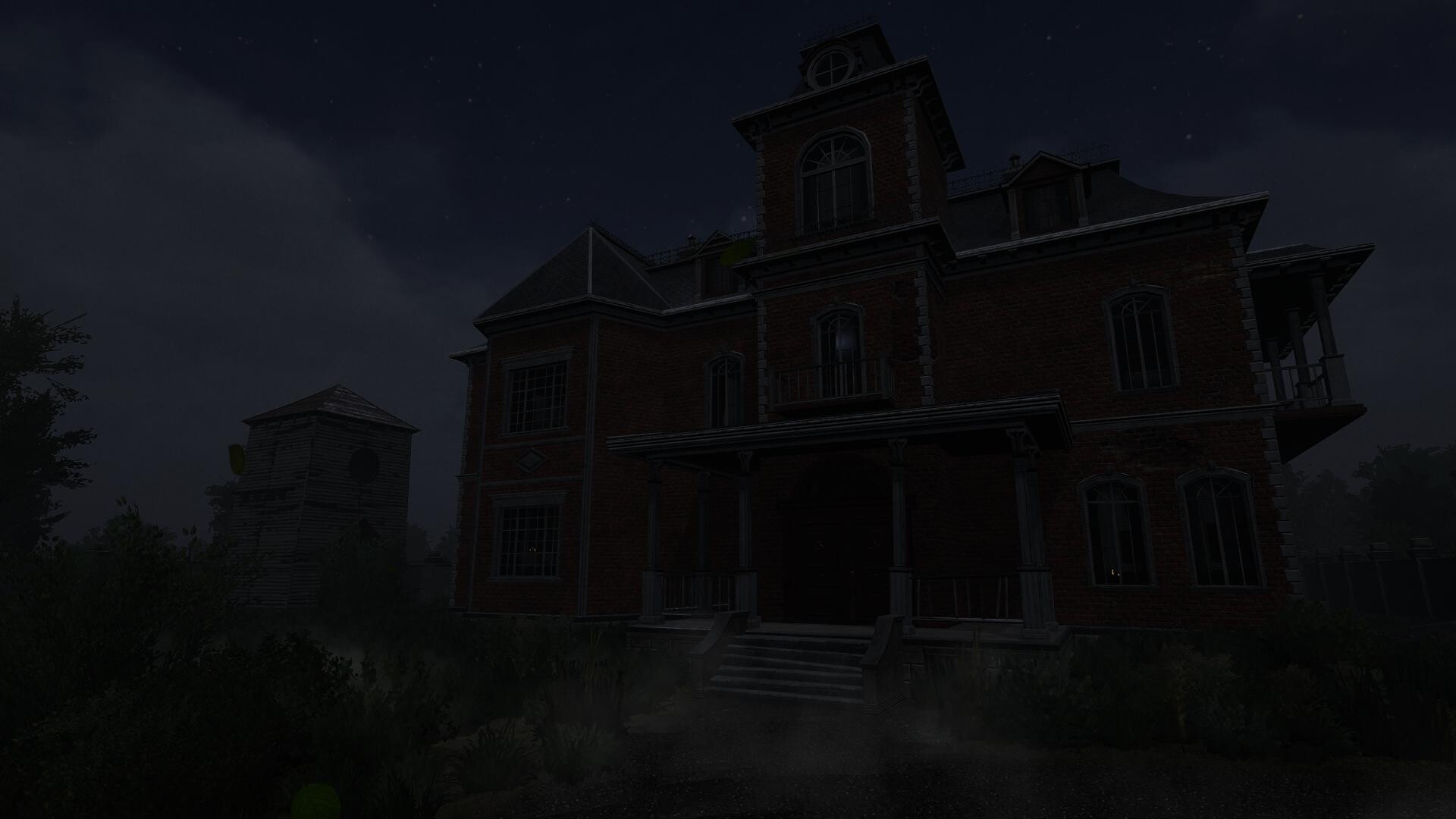
According to the Steam page, Trace of the Villa follows Jin, a protagonist who has spent years pursuing leads about his missing sister. His search brings him to a remote, decaying mansion where recovered manifests and hints suggest she may still be alive. The estate feels “less abandoned than erased,” with furnished rooms, locked doors, and missing identifying details; restoring power reveals secured systems, hidden compartments, and fragments of encrypted documents that suggest a larger, controlled operation.
When and where — Steam / PC context
Trace of the Villa released on Steam on 28 May, 2026 and is listed as an Action / Adventure / Indie title on the store. The Steam page lists developer and publisher as Steadyturtle Co., Ltd., and includes accessibility options such as subtitle support, custom volume controls, and color alternatives. If you’re considering discovery on PC, the Steam store presence is the primary entry point.
Why quiet tension and uncertainty matter
Games that trade in slow-burn suspense let the player’s imagination do the work. When a mansion’s layout, a sequence of locked doors, and a handful of encrypted manifests supply the narrative, anxiety comes from not knowing what the clues mean — and from the implication that someone deliberately removed names and histories. That absence of information is emotionally potent: it turns architecture into testimony and silence into motive. For players who relish subtle dread, that uncertainty is the feature, not a bug.
How progression and investigation work
Steam’s description makes clear the core loop: restore systems, access locked areas, and collect documents and manifests that reveal fragments of a hidden operation. Progress is driven by environmental puzzles and piecing together financial trails, falsified identities, and encrypted records. Expect more puzzle-solving and narrative piecing than reflex-based play, and features that make the experience more accessible on PC (subtitles, custom volume controls, and options to play without timed input).

Player scenarios — who should wishlist it
- Investigative players: if you enjoy reading documents, reconstructing timelines, and slowly revealing an organized mystery, this fits your tastes.
- Atmosphere-first players: if empty rooms, muted audio design, and environmental storytelling create a more effective mood than loud scares, add this to your wishlist.
- Puzzle-oriented explorers: if you like narrative puzzle design that unlocks story beats rather than action sequences, this is a closer match.
- Casual horror avoiders: if you dislike sudden, intense jump scares and prefer adjustable difficulty and accessibility features, the listed Steam categories suggest the game accommodates a more measured experience.
Comparison: where Trace of the Villa sits among psychological horror and tension-driven games
| Title | Genres / Release | Atmosphere & Tone | Puzzle / Exploration Focus | Pacing |
|---|---|---|---|---|
| Trace of the Villa | Action / Adventure / Indie — 28 May, 2026 | Mansion mystery; erased identities; quiet, investigative dread | Clue-driven puzzles, document recovery, restoring systems | Slow-burn, methodical |
| Amnesia: The Dark Descent | Action / Adventure / Indie — 8 Sep, 2010 | Immersive first-person nightmare; existential dread | Exploration with survival mechanics and environmental puzzles | Claustrophobic, tense with spikes of panic |
| SOMA | Action / Adventure / Indie — 21 Sep, 2015 | Sci-fi psychological horror; philosophical, oppressive | Exploration and narrative puzzles with philosophical framing | Measured, story-led with moments of intensity |
| Layers of Fear (2016) | Adventure / Indie — 15 Feb, 2016 | Psychological, surreal mansion exploration focused on storytelling | Environmental puzzles tied to narrative revelations | Variable; often slow and atmospheric with altered spaces |
| Poppy Playtime | Action / Adventure / Indie — 12 Oct, 2021 | Horror with toy-factory themes; more overt threats | Puzzle mechanics using tools like the GrabPack | More action-adjacent pacing, clearer set-pieces |
Use the table above to gauge whether you prefer Trace of the Villa’s quiet, document-led investigation or the more intense survival or set-piece rhythms of other titles listed. These comparisons focus on genre, tone, puzzle emphasis, exploration style, and pacing.
Where to watch for trailers and gameplay
If you want a quick look at trailers and gameplay clips, search YouTube using this discovery link (useful for community footage and trailers; not a claim that any specific video is official): Search Trace of the Villa on YouTube.
Final assessment
Trace of the Villa is aimed at players who prefer atmospheric mystery adventure and slow-burn suspense. The Steam page frames it as a psychological investigation inside a decaying mansion where small discoveries — manifests, encrypted records, and restored systems — compound
Leave a Reply