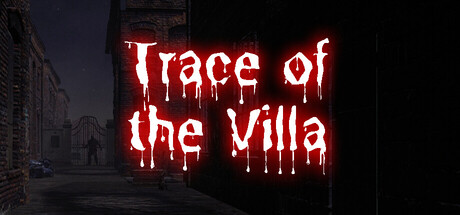
Trace of the Villa and the Quiet Power of Slow-Burn Psychological Horror
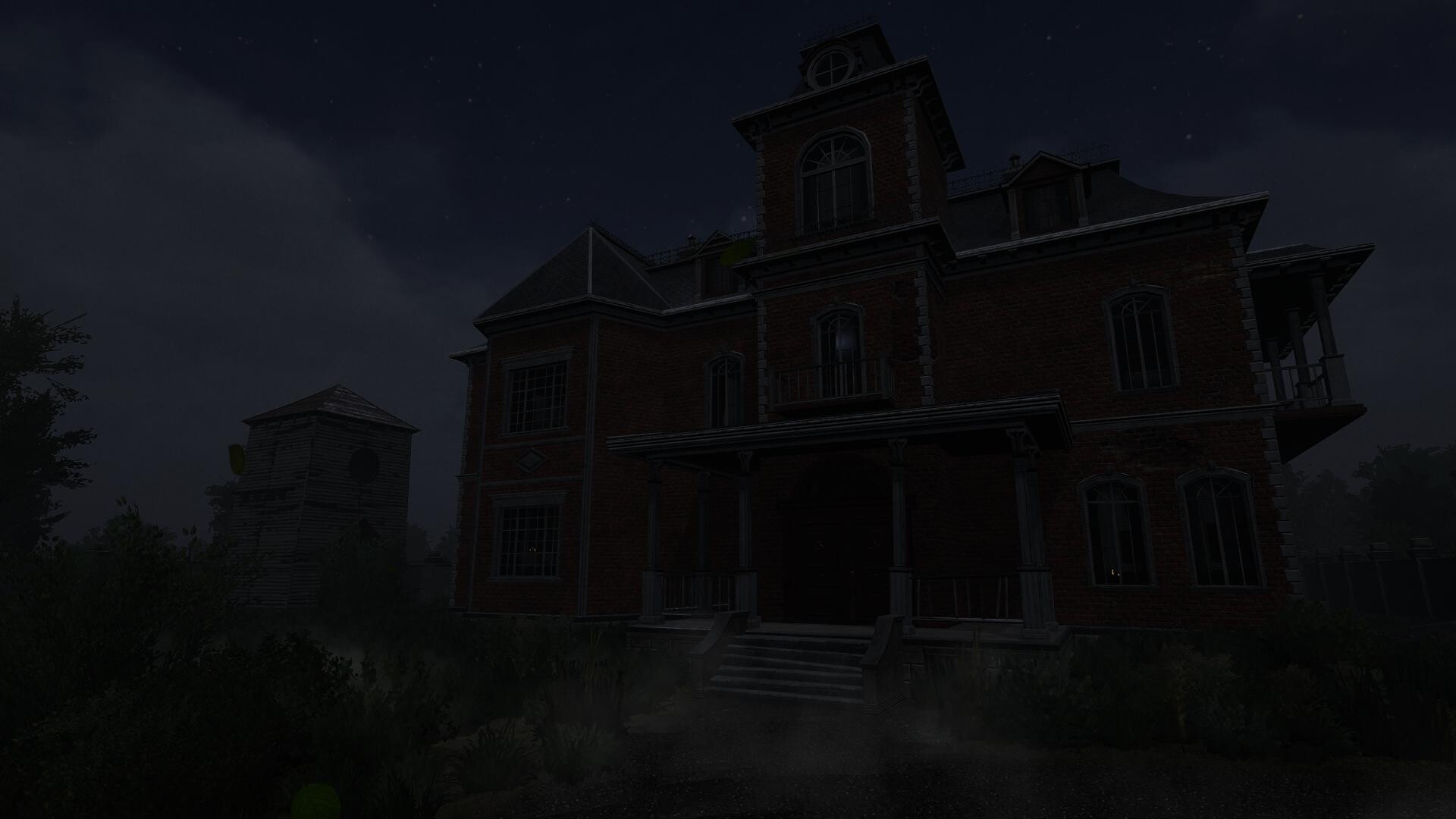
Trace of the Villa is built around a single, patient tension: Jin’s search for his missing sister leads him to a remote, decaying mansion where the house itself holds the clues. Released on 28 May, 2026 by Steadyturtle Co., Ltd., the game favors atmospheric investigation and steady unease over headline-grabbing jump scares.

| Title | Trace of the Villa |
|---|---|
| Developer | Steadyturtle Co., Ltd. |
| Publisher | Steadyturtle Co., Ltd. |
| Release Date | 28 May, 2026 |
| Genres | Action, Adventure, Indie |
| Steam Categories | Single-player; Color Alternatives; Custom Volume Controls; Playable without Timed Input; Subtitle Options; Family Sharing |
| Steam AppID | 3483660 |
Who this is for
This is a fit for PC players who prefer slow-burn suspense and environmental storytelling: people who want to read rooms instead of rely on sudden shocks, who enjoy narrative puzzle design and clue-driven exploration, and who like a story-rich adventure where investigating details and restoring systems reveals the plot.
What the game does
Officially, Trace of the Villa follows Jin as he pursues leads to a remote mansion where manifests and hints suggest his sister may still be alive. Inside, the estate appears “less abandoned than erased” — furnished rooms, locked doors, and personal items without names. Restoring power and unlocking secured systems reveals encrypted documents, transfer records, and evidence that this place was used for controlled movements of people.
When and where
Trace of the Villa is available on Steam (PC) with a launch date of 28 May, 2026. The Steam page lists the game’s genres and accessibility features (single-player, subtitle options, custom volume controls, etc.), so players can check technical needs and accessibility before buying or wishlisting.
Why quiet tension and uncertainty matter more than shock claims
Psychological horror that hangs on quiet uncertainty does two things a string of jump scares cannot: it makes the environment meaningful and it rewards careful attention. When each restored circuit, opened safe, or recovered manifest gradually shifts the player’s model of what happened, fear becomes curiosity mixed with dread. That slow accumulation of detail is what turns an exploration into an investigation—and it lasts in memory longer than a single scream.
How you progress — mechanics tied to storytelling
The Steam description emphasizes investigation and restoration: Jin restores power to the estate, secured systems come back online, hidden compartments unlock, and safes yield fragments of encrypted documents and suspicious records. Progress comes from reading environmental cues, solving puzzles that unlock new systems, and piecing together a timeline from financial and physical evidence. The gameplay loop is exploration → recovery → interpretation, with each discovery reframing what came before.

Player scenarios — who should wishlist it
- Prefer methodical exploration: You like searching every room, taking notes, and tracing a narrative through objects and documents.
- Enjoy slow-burn psychological tone: You want tension that builds from atmosphere and ambiguity, not a parade of jump scares.
- Value accessibility options: The Steam page lists subtitle options and custom volume controls, useful for players who need them.
- Curious about mystery-puzzle hybrids: If you appreciate narrative puzzles that reveal a wider conspiracy, Trace of the Villa’s focus on manifests and transfer records will appeal.
Comparison: where Trace of the Villa sits among atmospheric horror and mystery
Below is a compact editorial comparison with nearby titles on Steam, focusing on atmosphere, puzzle focus, exploration style and pacing rather than value judgements.
| Title | Core Atmosphere | Puzzle / Exploration Focus | Pacing / Tone |
|---|---|---|---|
| Trace of the Villa | Mansion-bound, investigative, quietly unsettling | Clue-driven: restoring systems, unlocking safes, reading manifests | Slow-burn suspense; detective-like investigation |
| Amnesia: The Dark Descent (2010) | Immersive first-person dread and vulnerability | Survival-leaning puzzles paired with hiding and avoidance | High tension with sustained dread and occasional spikes |
| SOMA (2015) | Sci-fi existential unease set in an isolated environment | Exploration and narrative puzzles with philosophical themes | Measured pacing that foregrounds story and atmosphere |
| Layers of Fear (2016) | Psychological, surreal mansion exploration | Environment-based puzzles tied to narrative reveals | Variable pacing; theatrical shifts in tone and space |
| Poppy Playtime (2021) | Abandoned-factory horror with toy-themed menace | Puzzle-adventure tools (e.g., GrabPack) used to traverse and solve | More immediate threats and moment-to-moment tension |
Use this as a guide: if you prefer investigative quiet and document-driven revelation, Trace
Steam page
View Trace of the Villa on Steam
YouTube discovery
For trailer and gameplay discovery, use YouTube search rather than relying on unverified embeds: Find Trace of the Villa trailer and gameplay searches on YouTube.
Leave a Reply