
Trace of the Villa: why slow-burn uncertainty beats cheap shocks
Trace of the Villa arrives on Steam as a framed, atmospheric mystery adventure that privileges creeping unease and clue-driven exploration over jump-scare spectacle. For players who prefer psychological investigation and environmental storytelling, the game’s quiet tension and slow-unfolding revelations are its central promise.

| Title | Trace of the Villa |
|---|---|
| Release date | 28 May, 2026 |
| Developer / Publisher | Steadyturtle Co., Ltd. |
| Genres | Action, Adventure, Indie |
| Steam categories | Single-player; Color Alternatives; Custom Volume Controls; Playable without Timed Input; Subtitle Options; Family Sharing |
| Steam page | Trace of the Villa on Steam |
Who is this for?
Trace of the Villa is aimed at PC players who enjoy methodical, story-rich adventures: people who like taking notes, following fragmented clues, and letting atmosphere do the heavy lifting. The presence of “Playable without Timed Input” and subtitle options on the Steam page signals that the game accommodates players who favour thoughtful pacing over reflex-driven encounters.
What the game actually is
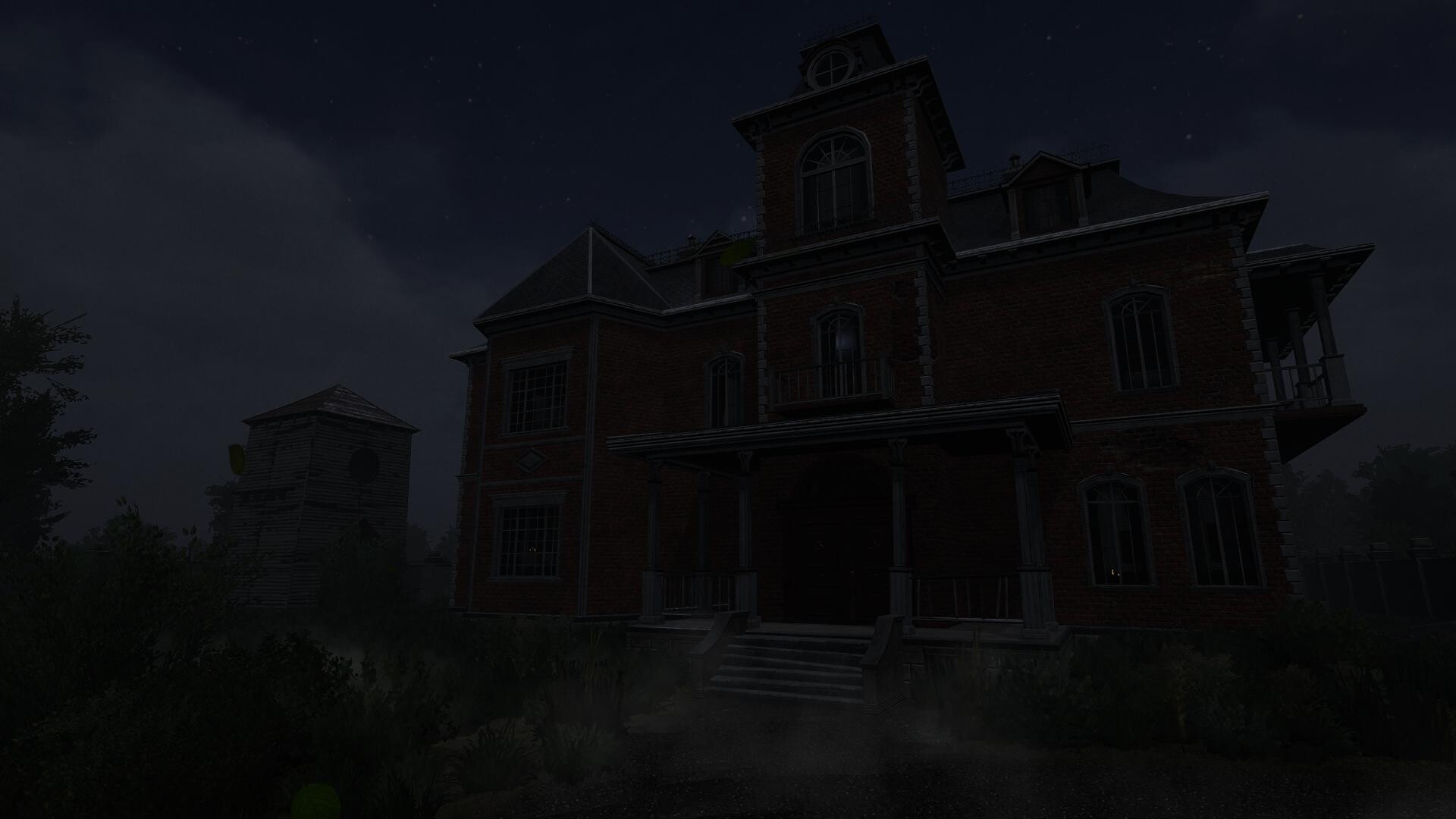
You play as Jin, a protagonist defined by a specific, personal quest: he has spent years searching for his missing sister. The official short description and Steam synopsis describe a remote, decaying mansion cut off from the grid where manifests and hints suggest Jin’s sister “may still be alive” somewhere down the trail. The mansion’s atmosphere—furnished rooms, locked doors, emptied identities, and secured systems that reveal hidden records when power is restored—sets up a psychological investigation built around environmental storytelling and puzzle discovery.
When and where to find it
Trace of the Villa released on Steam on 28 May, 2026. The Steam page lists Steadyturtle Co., Ltd. as both developer and publisher and tags the title under Action / Adventure / Indie—important context for discovery and store browsing on PC.
Why the quiet tension matters
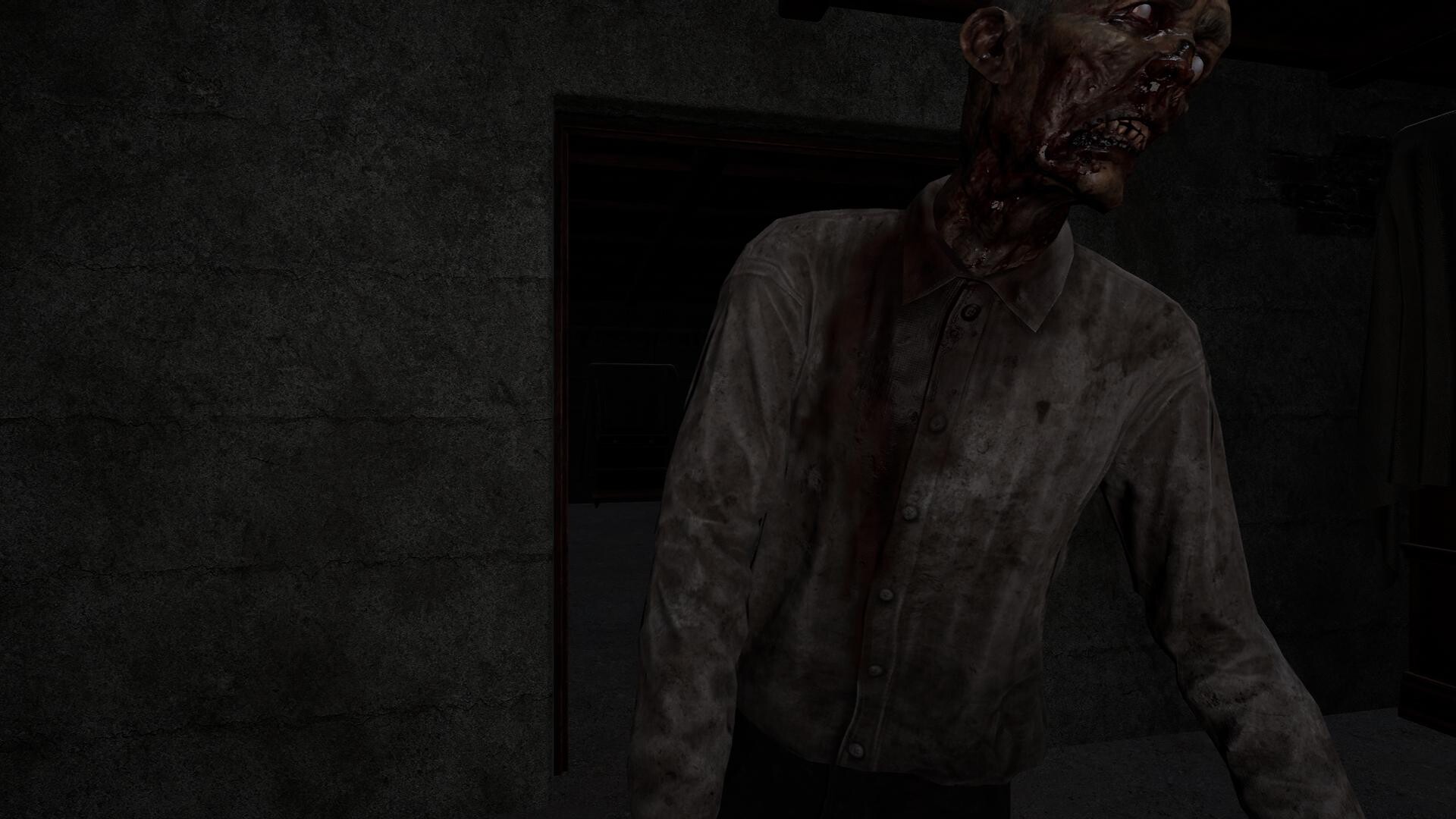
Quiet tension trades on uncertainty. Rather than signalling every threat with a loud cue, games that rely on slow-burn suspense let you imagine what’s off-screen and compound small discoveries into growing dread. According to the Steam synopsis, Trace of the Villa layers locked doors, encrypted documents and falsified identities into its investigative arc; that combination reads as design that rewards close observation, patience, and piecing evidence together rather than reacting to one-off shocks.
How progression and investigation work
Progress in Trace of the Villa revolves around finding and interpreting artifacts: manifests, encrypted documents, transfer records and other traces left behind. The Steam description explicitly notes restoring power to the estate as a turning point that brings secured systems back online and unlocks hidden compartments—mechanics that encourage exploration and puzzle-solving over timed reflex tests. The listed Steam categories (Custom Volume Controls, Subtitle Options, Playable without Timed Input) also suggest accessible pacing and player-focused UX options.
Player scenarios — who should wishlist it
- Slow-burn investigators: If you enjoy following breadcrumbs, cataloguing clues, and seeing plot threads stitch together slowly, Trace of the Villa fits that profile.
- Exploration-first players: Players who value atmosphere and environmental storytelling—rooms frozen mid-routine, objects that imply a past life—will appreciate the mansion setting described on the Steam page.
- Accessibility-minded players: The Steam categories include Playable without Timed Input and Subtitle Options, which make the game a reasonable match for players who prefer or require measured pacing and readable dialogue.
Comparison: where it sits among quiet psychological horror and mystery
| Title | Tone / Atmosphere | Puzzle & Exploration | Pacing | Player fit |
|---|---|---|---|---|
| Trace of the Villa | Mansion mystery, personal investigation, erased identities | Clue-driven: manifests, encrypted documents, restored systems | Slow-burn, investigative | Players who like environmental storytelling and methodical discovery |
| Amnesia: The Dark Descent | Immersive first-person nightmare with existential dread | Exploration with physics puzzles and stealth elements | Tense, often relentless | Players seeking immersive horror and high-tension survival |
| SOMA | Sci-fi, philosophical unease set in an underwater facility | Puzzle and narrative exploration focused on identity and consciousness | Measured, story-forward | Players who want thought-provoking sci-fi horror and atmosphere |
| Layers of Fear (2016) | Psychological, shifting mansion focused on madness and art | Environmental puzzles tied to narrative beats | Atmospheric and episodic | Players who appreciate unreliable spaces and surreal reveals |
| Poppy Playtime | Horror with puzzle tools and tense set-pieces in an abandoned factory | Gadget-driven puzzles with mobility and environmental interaction | Set-piece-oriented, higher-action moments | Players who enjoy puzzle tools and occasional adrenaline spikes |
Note: comparisons above are editorial and focus on atmosphere, puzzle emphasis, exploration style and pacing rather than quality judgments or sales data.
Where to find gameplay footage
If you want trailer or gameplay clips, search YouTube for Trace of the Villa gameplay or trailer: https://www.youtube.com/results?search_query=Trace+of+the+Villa+trailer+gameplay. Use that search path to locate official videos or community uploads; the Steam metadata here does not assert a single official trailer link.
View Trace of the Villa on Steam
Disclaimer: referenced titles and trademarks belong to their respective owners. Comparisons in this article are editorial discovery only and do not imply endorsement or official relationship.
Leave a Reply