
Trace of the Villa: why quiet tension and uncertainty matter more than shock claims
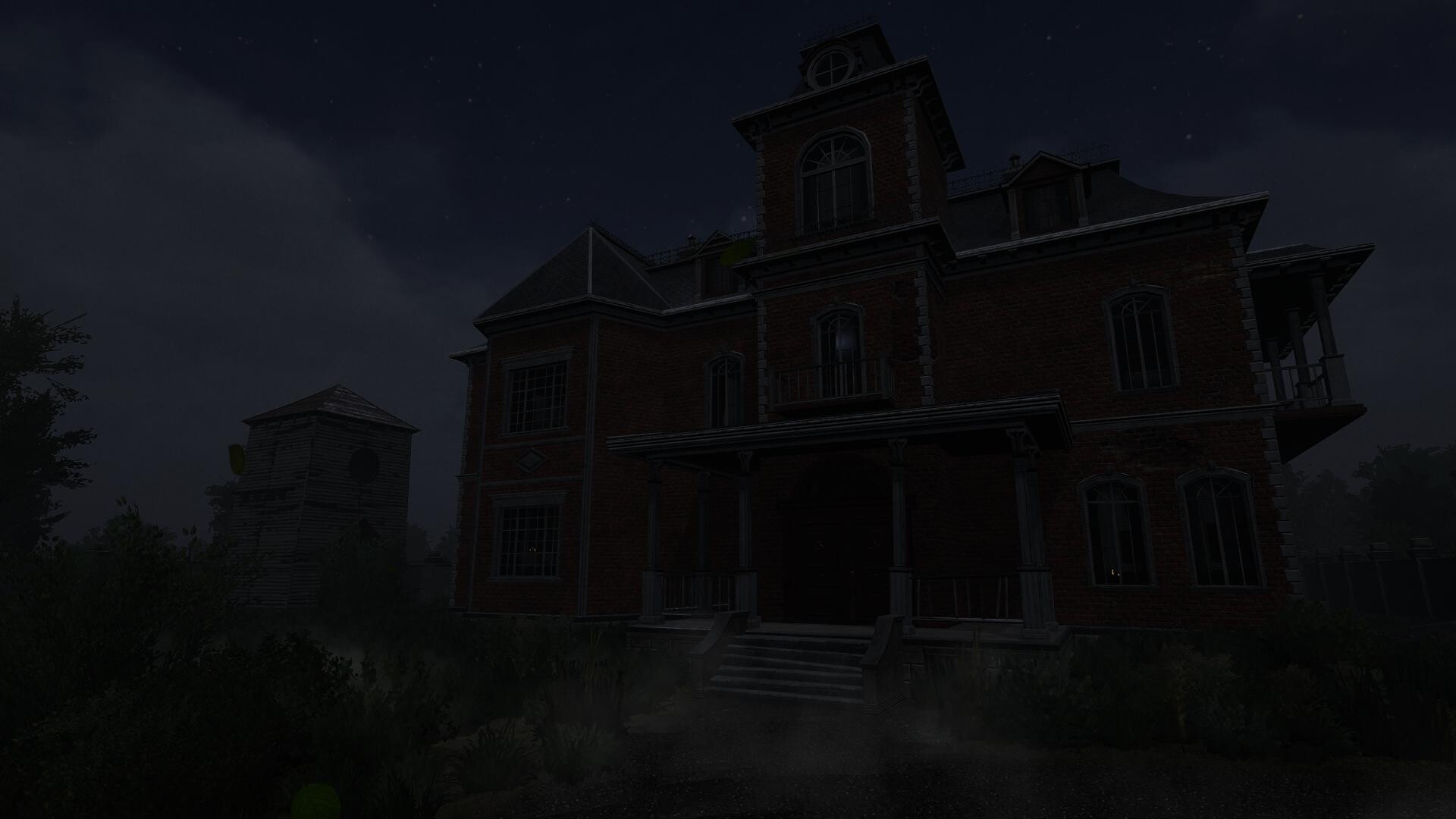
Trace of the Villa asks you to follow one man’s search through a deliberately forgotten mansion, where small discoveries and the slow restoration of order peel back a larger mystery. On Steam for PC since 28 May, 2026, the game leans into investigative atmosphere and steady unease rather than fast frights.

Who should wishlist this on Steam?
If you favour psychological investigation, environmental storytelling, and slow-burn suspense over adrenaline-jolt scares, this is aimed at you. Players who like methodical clue-driven exploration and story-rich adventure—where puzzle-solving, reading documents and restoring systems advance the narrative—will likely get the most out of Trace of the Villa.
What the game is
Trace of the Villa is an action-adventure indie on Steam developed and published by Steadyturtle Co., Ltd. The protagonist, Jin, follows leads to a remote, decaying mansion and recovers manifests and hints that his missing sister may still be alive. The official Steam description emphasises investigation, returning power to the estate, unlocking hidden compartments and decrypting documents to reconstruct an erased past.

When and where — Steam details
Trace of the Villa launched on Steam on 28 May, 2026. It appears on Steam as an Action / Adventure / Indie title and lists Steam categories including Single-player, Color Alternatives, Custom Volume Controls, Playable without Timed Input, Subtitle Options, and Family Sharing. The Steam app ID is 3483660.
Why the quiet tension matters
Quiet tension and uncertainty do work that shock-based design does not: they make the player lean forward. In Trace of the Villa the atmosphere is built from familiar domestic details that suddenly feel wrong—rooms furnished as if someone left mid-routine, missing names and photos, falsified identities and financial trails that point nowhere. Those elements let the player participate in the reveal, which makes every small solution and unlocked document register emotionally.
How you progress — the investigative loop
The official description outlines a clear investigative loop: restore power and systems, open locked compartments and safes, decrypt fragments of documents and follow manifests. Progress looks less like surviving scripted shocks and more like assembling a timeline from artifacts and records. Expect environmental puzzles and narrative puzzle design that reward patience and attention to detail rather than reflexive reactions.
Player scenarios — who will enjoy Trace of the Villa?
- The methodical investigator: You prefer reading notes, reconstructing timelines and solving layered puzzles. The mansion’s locked systems and encrypted documents are the core satisfactions.
- The atmosphere-first player: You choose titles for mood and slow-burn suspense. You appreciate subtle audio-visual cues and rooms that suggest stories instead of delivering jump scares.
- The narrative seeker: You want a personal mystery—Jin’s search for his sister provides a human throughline to the procedural reveals of the estate.
- The exploratory puzzler: You enjoy exploration that intersects with inventory, access-restoration mechanics and piecing together a larger conspiracy from small traces.
Compact facts: Trace of the Villa
| Title | Trace of the Villa |
|---|---|
| Steam App ID | 3483660 |
| Developer / Publisher | Steadyturtle Co., Ltd. |
| Release date | 28 May, 2026 |
| Genres | Action, Adventure, Indie |
| Steam categories | Single-player; Color Alternatives; Custom Volume Controls; Playable without Timed Input; Subtitle Options; Family Sharing |
| Official premise | Jin searches a remote mansion for clues about his missing sister and uncovers erased identities, locked systems and puzzling transfer records. |
How it compares — measured editorial discovery
Below is a practical comparison against nearby psychological and mystery-adjacent games. This is editorial context for players trying to decide which pacing and focus they prefer.
| Title | Primary genre / tone | Puzzle / exploration focus | Pacing | Player fit |
|---|---|---|---|---|
| Amnesia: The Dark Descent | First-person survival horror — immersion and discovery | Environmental puzzles mixed with survival mechanics (emphasis on atmosphere) | Tense, often intense | Players seeking high immersion and dread-driven encounters |
| SOMA | Sci‑fi horror with philosophical tone | Exploration and narrative puzzles underpinned by sci‑fi concepts | Slow- and mid-pace with sustained existential tension | Players who want story questions tied to setting and mood |
| Layers of Fear (2016) | Psychological horror focused on atmosphere and storytelling | House-based exploration with shifting environments and narrative puzzles | Slow-burn, psychologically disorienting | Those who favour unsettling storytelling and changing spaces |
| Poppy Playtime | Horror/puzzle adventure with active puzzle tools | Puzzle tools and set-piece encounters in an industrial setting | More kinetic and episodic than quiet mystery titles | Players who like puzzle gadgets and periodic tense set pieces |
Editorial note: the comparison focuses on genre, atmosphere, puzzle style, exploration and pacing to help readers match taste—not to promote or rank titles.
Where to look for trailers and gameplay
No single official video is claimed here; if you want to search for trailers or gameplay footage use the YouTube discovery path: Search Trace of the Villa trailer/gameplay on YouTube.
Decide whether to wishlist
Wishlist Trace of the Villa if you want an investigative, story-rich adventure on Steam that rewards patience and careful reading of place and paperwork. If you prefer fast action or high-frequency scares, this title intentionally trades spectacle for slow-burn suspense and layered discovery.
View Trace of the Villa on Steam
Disclaimer: Referenced titles and trademarks are the property of their respective owners. Comparisons in this article are editorial discovery only and not endorsements.
Leave a Reply