
Trace of the Villa and the case for quiet, slow-burn horror
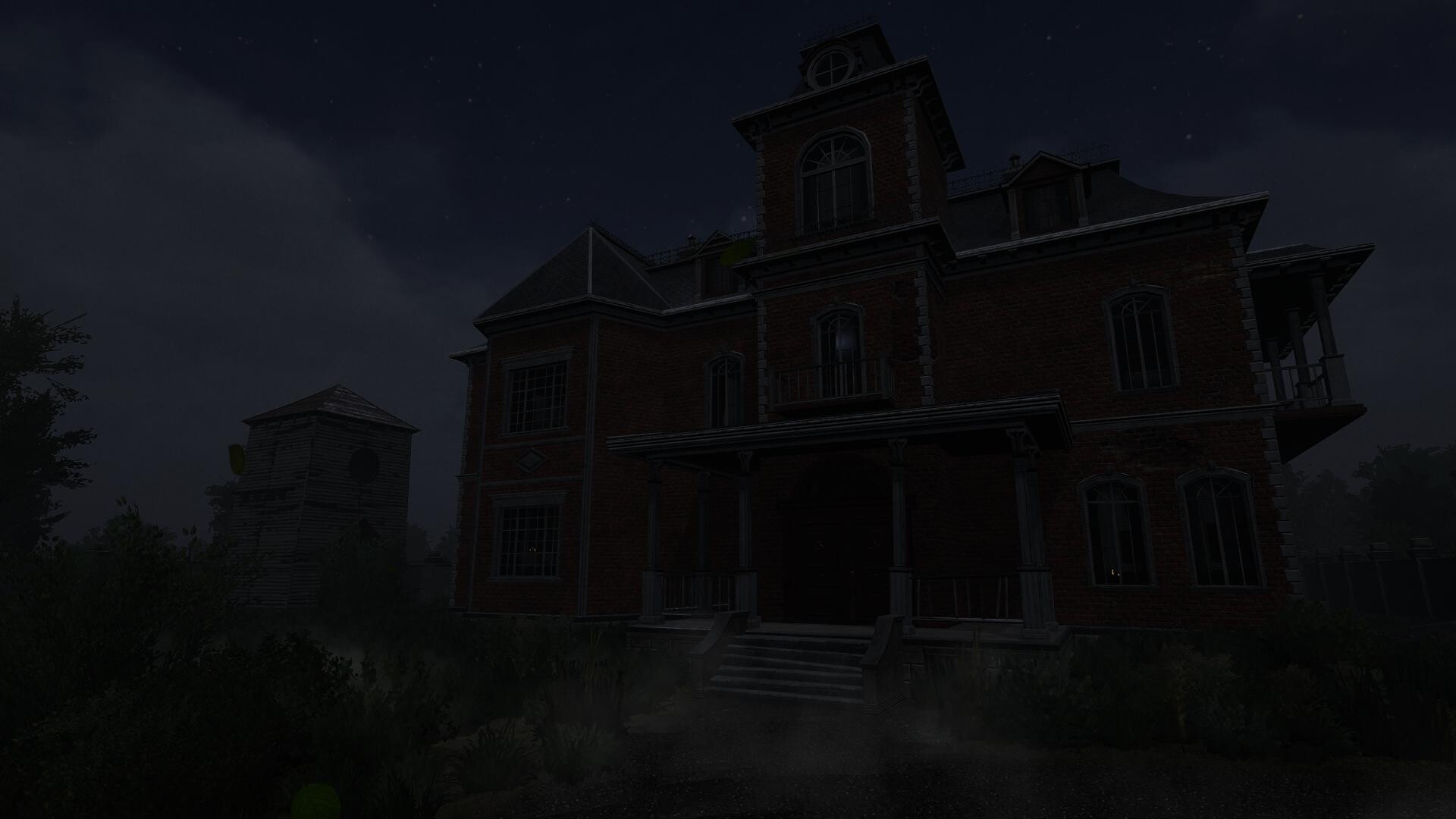
Trace of the Villa places you in a decaying mansion as Jin, a man chasing clues that might lead to his missing sister, prioritizing atmosphere and investigation over jump scares. Released on 28 May, 2026 by Steadyturtle Co., Ltd., the Steam listing promises a puzzle-driven, exploration-led mystery built on environmental storytelling and gradual revelation.

What Trace of the Villa is
Officially described on Steam as a story in which “Jin has spent years searching for his missing sister” and follows a lead to a remote, deliberately forgotten mansion, Trace of the Villa is an action-adventure indie built around investigation and clues. The Steam description emphasizes restored systems, hidden compartments, encrypted documents and financial trails that gradually reveal a larger operation — language that points to clue-driven exploration, environmental storytelling, and puzzle-oriented progression rather than combat spectacle.
Who it’s for
- Players who prefer slow-burn suspense and psychological investigation over repeated jump scares.
- Fans of atmospheric mystery adventure and story-rich exploration that rewards close reading of scenes and documents.
- PC/Steam players who want single-player experiences with accessibility options (color alternatives, subtitle options, custom volume controls) and no timed-input demands.
When and where
Trace of the Villa released on Steam on 28 May, 2026. It is listed on Steam as an Action / Adventure / Indie title developed and published by Steadyturtle Co., Ltd., and appears with the usual Steam store presentation of screenshots and a trailer thumbnail.
How progression works — read the house, not just its jump-scares
The Steam description outlines concrete, non-arcade objectives: restore power to the estate, bring secured systems back online, unlock hidden compartments and safes, and assemble fragments of encrypted documents and manifests. Progress hinges on interpreting environmental cues and following a forensic trail — turning restoration and puzzle-solving into narrative beats. In short: you progress by investigating, solving layered puzzles, and piecing together document fragments that reframe the mansion’s history.
Why quiet tension and uncertainty matter more than shock claims
Slow-burn horror trades the immediate rush of a startle for prolonged unease. In a mansion mystery like this, every silent room and incomplete document heightens suspicion; players carry that tension forward because they are actively decoding the setting. That sustained unease makes eventual revelations hit harder and keeps the player engaged between scripted events. Steam discovery metrics for similar indie titles show this audience exists on PC and looks for story-first pacing and atmosphere — a fit Trace of the Villa appears designed to reach.
Specific player scenarios
- You want a methodical investigation: If you enjoy parsing logs, restoring systems, and slowly assembling a timeline, this is tailored to that exact loop.
- You prefer atmosphere over action: The mansion’s staged domesticity and absent identities (no photographs, names removed) promise creeping dread without relying on loud, repetitive shocks.
- You need accessible options: Steam categories list subtitle options, custom volume controls, and color alternatives, making it better suited for players who rely on those features.
- You’re more into reflex-driven horror: If you want constant combat or twitch-based chases, this slower investigative pacing may feel frustrating rather than rewarding.

Quick facts
| Title | Trace of the Villa |
|---|---|
| Steam AppID | 3483660 |
| Release date | 28 May, 2026 |
| Developer / Publisher | Steadyturtle Co., Ltd. |
| Genres | Action, Adventure, Indie |
| Categories (selected) | Single-player; Color Alternatives; Custom Volume Controls; Playable without Timed Input; Subtitle Options; Family Sharing |
How it sits next to other psychological/mansion horror on PC
Below is an editorial comparison focused strictly on tone, pacing, and the player loop — not on quality rankings or endorsements.
| Title | Genre / Feel | Pacing | Primary Focus | Who might prefer it |
|---|---|---|---|---|
| Trace of the Villa | Action / Adventure / Indie; atmospheric mystery adventure | Slow-burn, investigative | Environmental storytelling, clue-driven puzzles, restoration mechanics | Players who like methodical exploration and narrative puzzle design |
| Amnesia: The Dark Descent | Action / Adventure / Indie; immersion and discovery | Gradual tension with moments of high stress | Immersive survival horror and dread-focused immersion | Players seeking deep immersion and atmospheric dread |
| SOMA | Action / Adventure / Indie; sci-fi horror | Slow and contemplative with philosophical beats | Narrative and existential questions under horror framing | Players who want thoughtful sci-fi themes inside horror pacing |
| Layers of Fear (2016) | Adventure / Indie; psychological mansion horror | Atmospheric and story-first, often surreal | Shifting environments and narrative-driven exploration | Players who like a painterly, surreal mansion mystery |
| Poppy Playtime | Action / Adventure / Indie; horror-puzzle | More moment-to-moment tension, puzzle-action loops | Puzzle gadgets and reactive encounters (GrabPack) | Players who want gadget-based puzzles and higher beat-frequency tension |
YouTube discovery
If you want to see trailers or gameplay clips, search YouTube for Trace of the Villa trailers and gameplay: Trace of the Villa — YouTube search. This link is provided as a discovery path; a specific official video is not claimed here.
View Trace of the Villa on Steam
Disclaimer: Referenced titles and trademarks belong to their respective owners. Comparisons above are editorial discovery only and draw on genre, atmosphere, puzzle focus, exploration style, story tone, and pacing.
Leave a Reply