
Trace of the Villa — a slow-burn mansion mystery to wishlist on Steam
Trace of the Villa puts you in Jin’s shoes as he follows a frayed trail to a remote, decaying mansion in search of his missing sister. The game pairs environmental storytelling and clue-driven exploration with puzzle and adventure beats to build a measured, atmospheric mystery on PC.

Quick facts
| Title | Trace of the Villa |
|---|---|
| Release date | 28 May, 2026 |
| Developer / Publisher | Steadyturtle Co., Ltd. |
| Genres | Action, Adventure, Indie |
| Steam categories | Single-player; Color Alternatives; Custom Volume Controls; Playable without Timed Input; Subtitle Options; Family Sharing |
| Short premise (official) | Jin searches a remote, decaying mansion where recovered manifests and hints indicate his sister may still be alive. |
Who this is for
- Players who prefer atmospheric mystery adventure and slow-burn suspense over jump-scare horror.
- Exploration-first players who like environmental storytelling and document-based clues (safes, manifests, encrypted fragments).
- People who value accessibility and relaxed pacing: the Steam page lists subtitle options, color alternatives, custom volume controls, and “playable without timed input.”
- Anyone deciding whether to wishlist: if you enjoy piecing together a narrative from found documents and restored systems rather than constant combat, this title fits that preference.
What the game is — distilled
Trace of the Villa is an action-adventure indie on Steam that frames a personal investigation inside an isolated mansion. According to the official description, Jin restores power to the estate and uncovers hidden compartments, safes, encrypted documents and suspicious transfer records — each puzzle revealing another layer of a deliberately concealed operation. The tone and structure emphasize atmospheric exploration and clue assembly over nonstop action.
When and where — Steam details
The game released on 28 May, 2026 and is available on Steam for PC. The developer and publisher are both Steadyturtle Co., Ltd. The Steam listing includes official screenshots and a trailer thumbnail; accessibility options listed on the store page make the experience approachable for players who need subtitle support, color alternatives, and no-timed-input play.
How you read clues and progress
The official store text makes the investigative loop clear: restore systems (power), access secured devices, open safes and pockets of encrypted data, and assemble a timeline from transfer records and manifests. That implies a progression model built around environmental puzzle-solving and document interpretation rather than only combat or linear cutscenes. Expect a mixture of exploration, lock/safe puzzles, and narrative puzzle design where each solved item unlocks the next area of the story.
Why the mansion theme matters here
Mansion mysteries rely on layered setting details — rooms left mid-routine, personal effects with missing names, falsified records — and Trace of the Villa foregrounds those elements. The official description emphasizes erased identities and controlled movements, signaling a narrative focused on uncovering an organised operation rather than supernatural phenomena. That framing will appeal to players who like detective beats and financial/identity sleuthing woven into environmental design.
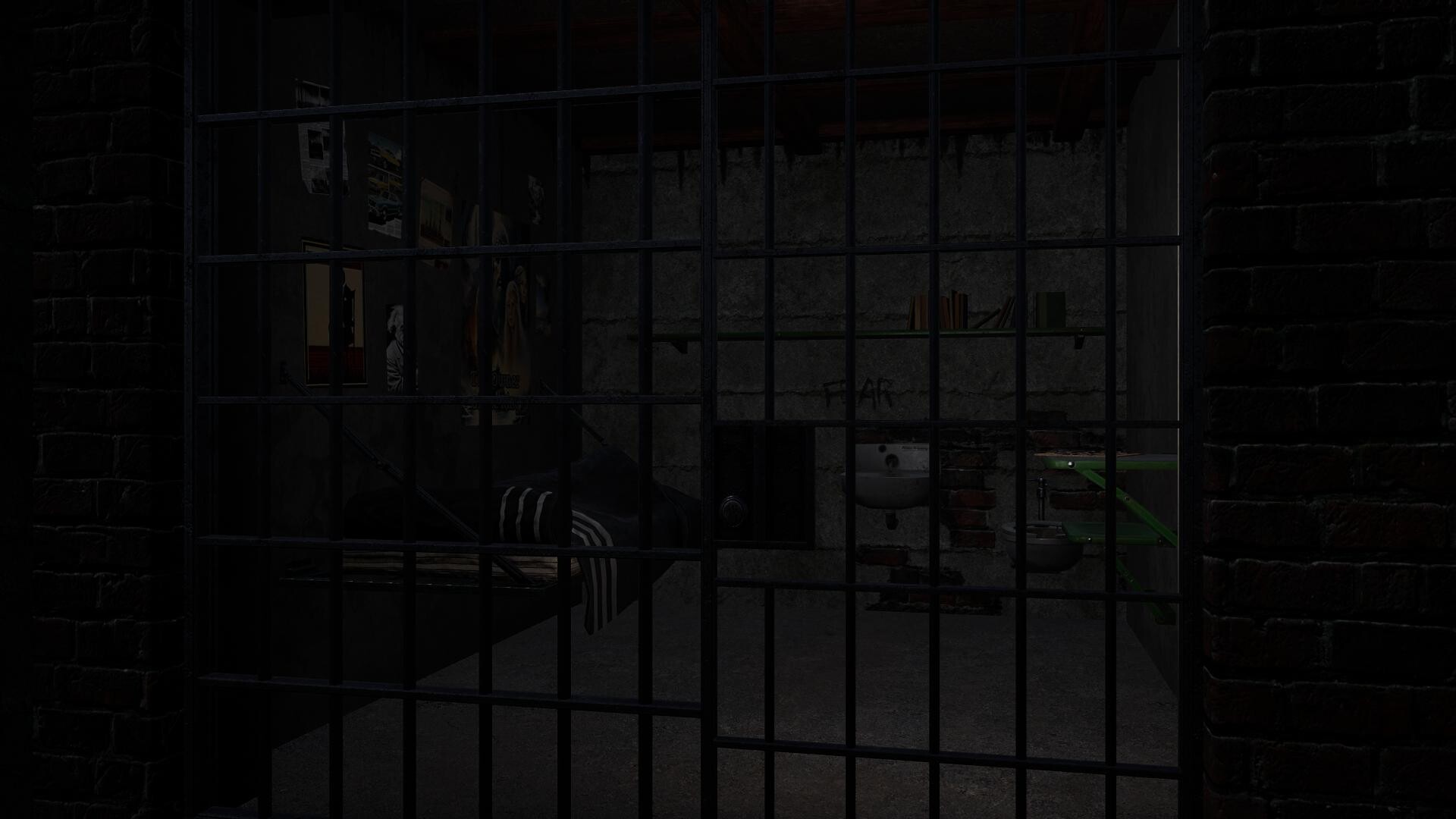
Official screenshots

Player-fit scenarios
Concrete situations where Trace of the Villa will likely suit your mood:
- Evening exploration: You want a measured, atmospheric session where document hunting and careful inspection reward patience.
- Puzzle-focused detective play: You enjoy puzzles tied to narrative beats — safes, encrypted docs, and restored systems that gradually reveal motive and timeline.
- Accessible play: You need subtitle support, color alternatives, or prefer experiences without timed button prompts.
- Story-first adventurers: You prefer story revelations that emerge from space and objects, not exposition-heavy cutscenes.
How Trace of the Villa compares (editorial discovery)
Below is a concise comparison against a few mystery-adjacent titles on Steam. This is an editorial mapping by genre, tone, puzzle focus, exploration style, and pacing — not a claim of superiority or official linkage.
| Title | Core genre / tone | Puzzle / exploration focus | Pacing & story |
|---|---|---|---|
| Trace of the Villa | Action • Adventure • Indie — mansion mystery, personal investigation | Document-based clues, safes, restored systems; environmental storytelling | Measured, investigative, slow-burn; narrative revealed through found items |
| Rusty Lake Hotel | Adventure • Indie — dark, eerie puzzle game | Point-and-click puzzles with surreal logic; short, discrete puzzle episodes | Concise, puzzle-focused chapters with a consistent eerie mood |
| The Medium | Adventure — psychological horror, dual-reality exploration | Puzzles that use parallel worlds; narrative through both realms | Psychological, atmospheric, with a cinematic pacing and set-pieces |
| Layers of Fear | Adventure — first-person psychological horror | Exploration-driven revelations; narrative puzzles linked to protagonist’s psyche | Unsteady, psychological pacing focused on atmosphere and tension |
Wishlist decision checklist
Before you click wishlist, ask yourself:
- Do I prefer mystery revealed through documents and environment rather than action sequences?
- Is slow, investigative pacing—restoring systems and unlocking safes—what I want from an evening’s play?
- Are accessibility options like subtitles and no-timed-input important to my enjoyment?
If you answered yes to most of these, the Steam page and screenshots suggest Trace of the Villa is worth adding to your wishlist.
Where to find trailers and gameplay samples
Search YouTube for trailers and gameplay footage (use the query path below — the store data provides this as a discovery route). Note: this is a search link, not a claim any specific video is official.
Search Trace of the Villa trailers and gameplay on YouTube
View Trace of the Villa on Steam
Referenced titles and trademarks belong to their respective owners; the comparisons above are editorial discovery and not endorsements.
Leave a Reply