
Trace of the Villa: why quiet tension and uncertainty matter more than cheap shocks
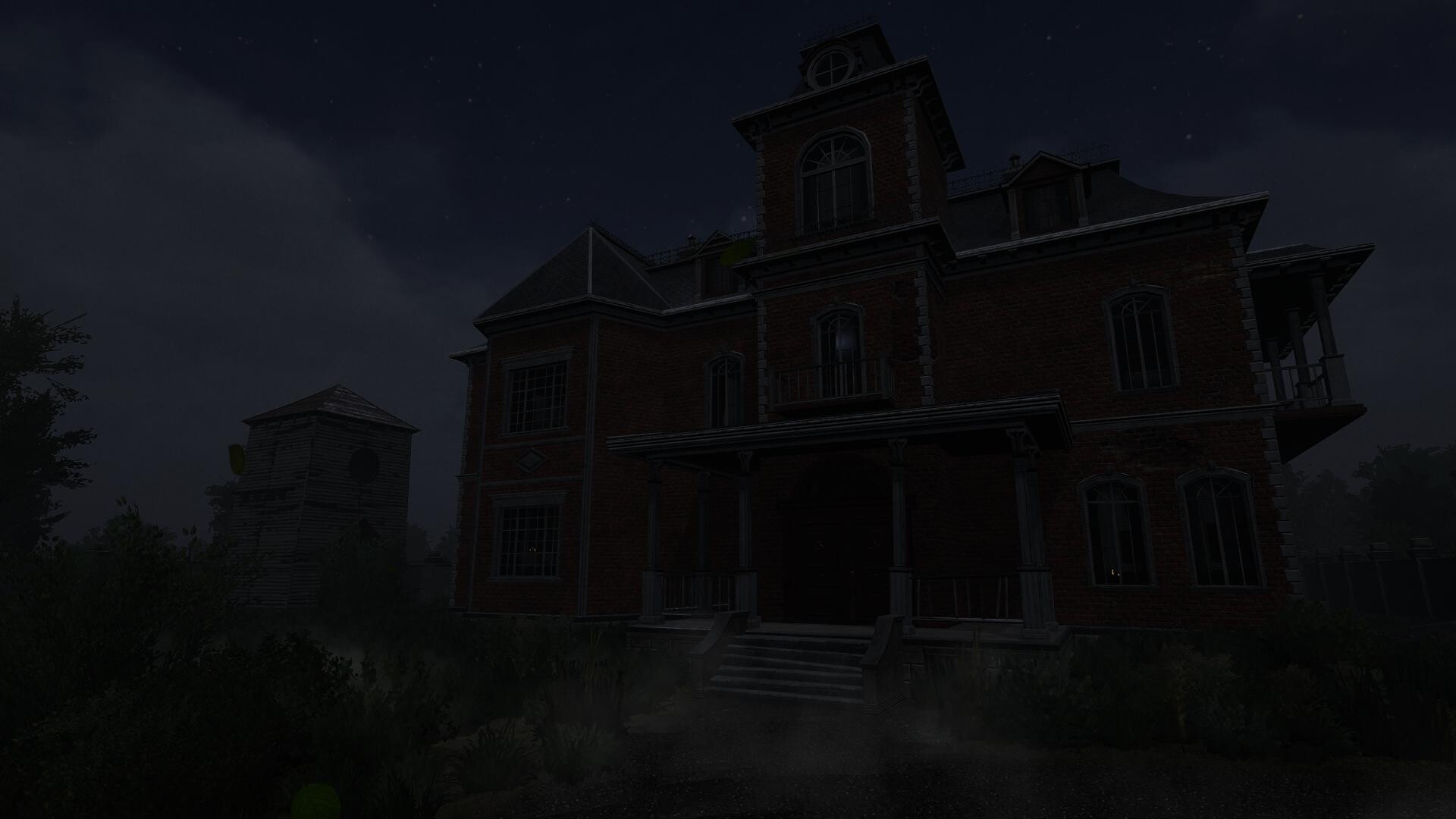
Trace of the Villa is a slow-burn, mood-driven mansion mystery that asks you to read the gaps between things as much as the objects themselves. Released 28 May, 2026 by Steadyturtle Co., Ltd., it positions Jin’s investigation—searching for a missing sister inside a deliberately forgotten estate—around environmental storytelling, restoration mechanics, and clue-driven exploration rather than jump scares.

Who should wishlist Trace of the Villa?
- Players who prefer atmospheric mystery adventure over reflex-based horror.
- Fans of environmental storytelling and narrative puzzle design who enjoy assembling a story from manifests, locked compartments, and power restoration systems.
- People who like slow-burn suspense: investigative pacing that rewards patience and attention to small details instead of repeated shocks.
What the game is (in plain terms)
Trace of the Villa is an action/adventure indie released on Steam on 28 May, 2026 by Steadyturtle Co., Ltd. Its official premise puts you in the role of Jin, who has spent years searching for his missing sister and follows a lead to a decaying, off-the-grid mansion where recovered manifests and hints suggest she may still be alive. The estate feels “less abandoned than erased”: furnished rooms, locked doors, and personal items with no names or photographs — a setting built for slow, unease-driven discovery.
When and where: Steam details
| Title | Trace of the Villa |
|---|---|
| Release date | 28 May, 2026 |
| Developer | Steadyturtle Co., Ltd. |
| Publisher | Steadyturtle Co., Ltd. |
| Genres | Action, Adventure, Indie |
| Categories | Single-player; Color Alternatives; Custom Volume Controls; Playable without Timed Input; Subtitle Options; Family Sharing |
| Steam page | store.steampowered.com/app/3483660/Trace_of_the_Villa/ |
| Steam reviews | No user reviews (as listed on the Steam page) |
Why quiet tension and uncertainty matter here
Trace of the Villa trades visceral shocks for narrative gaps. The official description emphasizes erasure—rooms arranged as if their occupants vanished mid-routine, missing photographs and falsified identities, and financial trails that lead nowhere. That design invites an anxious posture: every reconstructed file, powered system, or unlocked compartment expands the mystery rather than delivering a tidy scare. In games like this, tension comes from not knowing the scale of what you’ve unearthed and from the player’s role as an investigator trying to impose order on a deliberately obfuscated past.
How you advance: reading clues and restoring systems
The Steam description spells out a concrete progression loop: restore power and systems to the estate, open secured compartments, solve puzzles to decrypt fragments and read manifests, and follow financial or identity leads that point to larger operations. Mechanically, that places emphasis on exploration and puzzle solving rather than timed reactions—matching the “Playable without Timed Input” category and encouraging a deliberate pace.
Player scenarios — who will get the most from this?
- The methodical reader: You like to note names, cross-reference manifests, and keep a paper log. Trace of the Villa rewards pattern recognition and patience.
- The atmosphere-first player: You want mood, lighting, and sound design to do the heavy lifting. The mansion’s “erased” feeling is designed to create unease through detail, silence, and implication.
- The story-curious explorer: You prefer mysteries that unfold through found documents and systems coming back online rather than explicit exposition. Restoring power and unlocking safes should feel meaningful to you.
- Not ideal if: you primarily want fast-paced jump scares, combat-driven horror, or repeated action sequences—this is pitched toward slow-burn investigation.
Comparison: where Trace of the Villa sits among related titles
| Title | Release | Genres (as listed) | Atmosphere & pacing | Puzzle / exploration focus |
|---|---|---|---|---|
| Trace of the Villa | 28 May, 2026 | Action, Adventure, Indie | Mansion mystery; slow-burn, mood-driven unease | Clue-driven exploration, restoring systems, decrypting documents |
| Amnesia: The Dark Descent | 8 Sep, 2010 | Action, Adventure, Indie | Immersion and isolation; immersive horror | Exploration-focused with survival and sanity mechanics |
| SOMA | 21 Sep, 2015 | Action, Adventure, Indie | Sci-fi existential dread; tense atmosphere | Story-driven exploration with puzzle and survival elements |
| Layers of Fear (2016) | 15 Feb, 2016 | Adventure, Indie | Psychological Victorian mansion; shifting environment, art-focused | Environmental puzzles and narrative-driven exploration |
| Poppy Playtime | 12 Oct, 2021 | Action, Adventure, Indie | Toy-factory suspense; higher emphasis on scripted set pieces | Puzzle-adventure with more overt antagonist encounters |
How Trace of the Villa differs: compared with the above, it leans more into investigative restoration (re-powering systems, examining transfer records and encrypted documents) and an atmosphere of administrative erasure rather than overt madness or single-point antagonists. That design choice makes it a better fit for players who prefer assembling institutional mysteries and financial/identity sleuthing within a mansion setting.

YouTube discovery
If you want to see trailers or gameplay clips, search YouTube using the developer/title terms — for convenience: Trace of the Villa trailer & gameplay search on YouTube. Note: use this as a discovery path; confirm any video’s official status on the Steam page or developer channels.
View Trace of the Villa on Steam
Disclaimer: referenced titles and trademarks belong to their respective owners. Comparisons here are editorial discovery only and not endorsements. All game facts in this article are taken from the game’s Steam listing and accompanying materials: Trace of the Villa (Steadyturtle Co., Ltd.), released 28 May, 2026.
Leave a Reply