
Trace of the Villa: why quiet tension and restrained dread win over cheap shocks
Trace of the Villa is a slow-burn, clue-driven coastal mansion mystery that leans on mood, missing-person stakes, and environmental storytelling rather than jump-scare theatrics. Its power comes from the uneasy silence of an estate “erased” of identity and the way small discoveries steadily reframe what you think you know.

Who this is for
If you prefer atmospheric mystery adventure and psychological investigation to high-octane horror spectacle, Trace of the Villa will likely fit your taste. Players who enjoy exploration-led narrative, slow-burn suspense, and piecing together a timeline from fragmented documents, systems and physical clues should wishlist or pick this up on PC/Steam.
What the game is
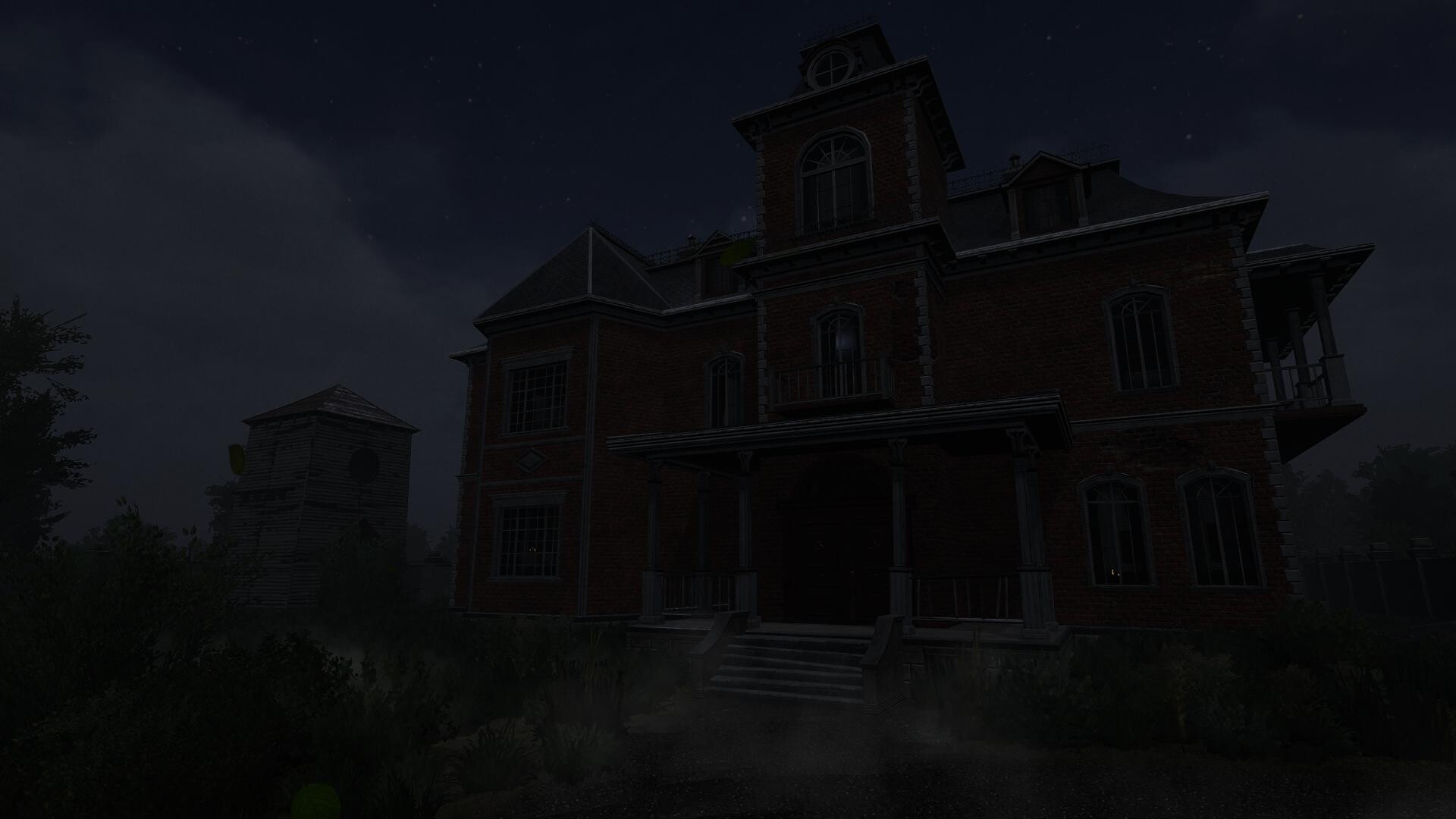
Trace of the Villa (Steadyturtle Co., Ltd.) puts you in the role of Jin, a man who has spent years searching for his missing sister. The official short description frames the core loop: a lead sends Jin to a remote, decaying mansion where recovered manifests and hints indicate his sister may still be alive at the end of this trail. The estate is cut off from the grid and deliberately forgotten; rooms appear frozen mid-routine, identities stripped away, and secured systems must be brought back online to reveal hidden records.
Genre and Steam context: Action / Adventure / Indie, single-player, with options like Color Alternatives, Custom Volume Controls, Playable without Timed Input, Subtitle Options and Family Sharing listed on the Steam page.
When and where
Trace of the Villa released on 28 May, 2026 and is available on Steam for PC. Visit the Steam page to wishlist, follow, or buy: Trace of the Villa on Steam.
Why the theme matters: quiet tension over shock claims
The mansion premise — rooms preserved as if occupants vanished, no photographs, falsified identities — invites a patient, investigative rhythm. Restoring power and unlocking systems turns the environment itself into a slow conversational partner: terminals, safes and encrypted documents yield information incrementally, and each small reveal reshapes the player’s hypotheses. That steady accumulation of doubt and meaning typically produces deeper unease than a chain of isolated scares, because the player becomes complicit in unraveling what the house hides.
How you progress — the practical loop
The official description notes concrete mechanics tied to narrative progress: restore power to the estate, bring secured systems back online, and open hidden compartments and safes that contain fragments of documents, transfer records and falsified identities. Puzzles and problem-solving are woven into exploration: solving one locked system or decoding an encrypted fragment unlocks another path of inquiry. The result is a clue-driven progression where environmental storytelling and document fragments build a timeline that Jin pieces together.
Player scenarios — who will enjoy it and when to play
- Late-night reader: You like leaning in to a screen and following evidence. Play in a quiet session where you can read logs, maps and manifests without interruption.
- Slow-burn puzzle fan: You prefer rewards that come from connecting small details rather than momentary adrenaline spikes. This fits your pacing.
- Atmosphere seekers: If environmental storytelling and mood-driven tension are what make a horror game memorable for you, the mansion’s “erased” history will be compelling.
- Not for you if: you want fast-paced chase sequences or jump-scare-driven gameplay as a primary feature; the experience here emphasizes unease and discovery over instant shocks.

Quick facts
| Title | Trace of the Villa |
|---|---|
| Steam appid | 3483660 |
| Release date | 28 May, 2026 |
| Developer / Publisher | Steadyturtle Co., Ltd. |
| Genres | Action · Adventure · Indie |
| Steam categories | Single-player, Color Alternatives, Custom Volume Controls, Playable without Timed Input, Subtitle Options, Family Sharing |
| Short premise | Jin searches a remote, decaying mansion for clues indicating his missing sister may still be alive. |
Comparison: where Trace of the Villa sits among mood-driven horror
| Title | Tone / Atmosphere | Puzzle & Exploration Focus | Pacing / Player Fit |
|---|---|---|---|
| Trace of the Villa | Mansion mystery with erased identities and slow-reveal systems. | Clue-driven: restore power, unlock safes, decrypt documents to advance. | Slow-burn; best for players who prefer methodical investigation. |
| Amnesia: The Dark Descent (2010) | Immersive, oppressive first-person horror with existential dread. | Exploration and survival elements; environmental puzzles serve immersion. | Intense atmosphere; players seeking a more visceral survival horror experience. |
| SOMA (2015) | Sci-fi horror that emphasizes philosophical unease and narrative weight. | Exploration with puzzle sequences; strong narrative-driven revelations. | Deliberate pacing; suits players who want story-focused, contemplative horror. |
| Layers of Fear (2016) | Psychological, shifting-mansion atmosphere centered on madness and art. | Environmental puzzles and changing spaces drive disorientation. | Unsettling, art-horror pacing; appeals to players who like surreal, narrative surprises. |
| Poppy Playtime (2021) | Toy-factory horror with puzzle gadgets and set-piece encounters. | Puzzle-adventure with gadget mechanics (GrabPack) and evasion moments. | Faster, encounter-driven; attracts players who want mixed puzzle/horror beats. |
YouTube discovery
Search for trailers or gameplay footage (useful for gauging tone and pacing): Trace of the Villa trailer & gameplay search on YouTube. Note: this is a discovery
Leave a Reply