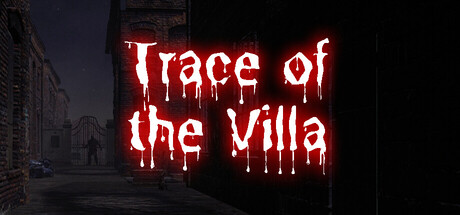
Trace of the Villa — why quiet tension and uncertainty matter more than shock claims
Trace of the Villa is a slow-burn, mood-driven mystery that trusts atmosphere and unfinished questions to do the heavy lifting. Developer-publisher Steadyturtle Co., Ltd. leans into environmental storytelling and clue-driven exploration rather than jump scares or spectacle.

What Trace of the Villa is
Trace of the Villa (Steam appid 3483660) frames a personal investigation inside a remote, decaying mansion. The protagonist, Jin, has spent years searching for his missing sister; a new lead points him to an off-grid property where manifests and hints suggest she may still be alive. The Steam description makes the tone clear: rooms appear as if occupants vanished mid-routine, locked doors and secured systems hide evidence, and restoring power to the estate triggers the house to reveal fragments of a larger, obscured operation.
Who this is for
- Players who prefer slow-burn suspense and atmosphere over constant shocks.
- Fans of atmospheric mystery adventure and PC mystery games that reward patient reading of environments and documents.
- Those who enjoy narrative puzzle design and clue-driven exploration—following manifests, encrypted fragments and suspicious transfer records to build a timeline.
- Players who want mood-driven psychological investigation in a single-player indie package.
When and where it’s available
Trace of the Villa released on 28 May, 2026 and is listed on Steam. Developer and publisher are Steadyturtle Co., Ltd.; genres shown on Steam are Action, Adventure, Indie; categories include Single-player, Color Alternatives, Custom Volume Controls, Playable without Timed Input, Subtitle Options, and Family Sharing.


Why the theme matters: restraint as a stylistic choice
The Steam description of Trace of the Villa emphasizes erasure and omission—identities removed, arrivals without records, departures without witnesses. That absence is the point. Where many horror-adjacent games rely on spikes of sensory terror, Trace of the Villa builds tension through unanswered questions, partial records, and the labor of piecing a story back together. Quiet uncertainty invites the player’s imagination to do the scaring; it creates a sustained psychological pressure that lasts beyond a single startling noise or scripted encounter.
How you progress — the game’s investigative spine
The game’s premise makes its progression method explicit: you restore power to systems, unlock hidden compartments and safes, and collect fragments—manifests, encrypted documents and suspicious transfer records—that stitch into a larger timeline. Those are environmental and puzzle-driven beats: read what the estate hides, decode fragments, follow financial or identity threads. The design emphasis is on exploration and discovery rather than timed reflex tests (Steam lists “Playable without Timed Input” as a category), which aligns with players who prefer thoughtful, clue-led pacing.
Compact facts
| Title | Trace of the Villa |
|---|---|
| Steam AppID | 3483660 |
| Release date | 28 May, 2026 |
| Developer / Publisher | Steadyturtle Co., Ltd. |
| Genres | Action, Adventure, Indie |
| Notable Steam categories | Single-player; Color Alternatives; Custom Volume Controls; Playable without Timed Input; Subtitle Options; Family Sharing |
Comparison: where Trace of the Villa sits among mood-driven mystery and psychological horror
Below is a focused editorial comparison on tone, puzzle focus and pacing—useful for readers deciding what fits their tastes. This is an editorial discovery table, not a claim of superiority.
| Title | Release Date | Tone / Focus | Puzzle / Exploration | Pacing |
|---|---|---|---|---|
| Trace of the Villa | 28 May, 2026 | Atmospheric mansion mystery; investigative, slow-burn psychological tension | Clue-driven: manifests, encrypted documents, locked compartments; environmental storytelling | Deliberate, patient |
| Amnesia: The Dark Descent | 8 Sep, 2010 | Immersive first-person survival horror; dread and helplessness | Exploration and puzzle elements tied to immersion and survival mechanics | Slow to intense—sustained dread with sudden peaks |
| SOMA | 21 Sep, 2015 | Sci-fi psychological horror; existential and atmospheric | Exploration, narrative puzzles, and story-driven sequences | Measured, story-focused pace |
| Layers of Fear (2016) | 15 Feb, 2016 | First-person psychological horror focusing on storytelling and shifting spaces | Environmental puzzles and narrative triggers as the house changes | Gradual, with surreal shifts |
| Poppy Playtime | 12 Oct, 2021 | Horror/puzzle adventure with toy-factory threats and more overt encounters | Puzzle mechanics tied to tools (e.g., GrabPack) and set-piece challenges | More frequent tension peaks and scripted scares |
Player scenarios — who should wishlist this
- If you enjoy piecing together a story from objects, documents and partial systems coming back online, this is a fit.
- If you prefer games that let silence and implication do the work—slow residual dread rather than headline jump-scares—add it to your wishlist.
- If you want immediate, adrenaline-driven encounters or prominent survival mechanics, consider whether a slower investigative tone matches your taste; Trace of the Villa stresses exploration and narrative puzzles.
YouTube discovery
If you want to see footage before deciding, search for trailers and gameplay using this YouTube discovery path (search results may include community videos and trailers): Trace of the Villa — YouTube search results.
Steam store link: Trace of the Villa on Steam
Disclaimer: Referenced titles and trademarks belong to their respective owners. Comparisons in this article are editorial discovery and meant to help readers match game tone and mechanics to personal taste, not to assert endorsements or official connections.
Leave a Reply