
Trace of the Villa and the case for quiet, sustained dread
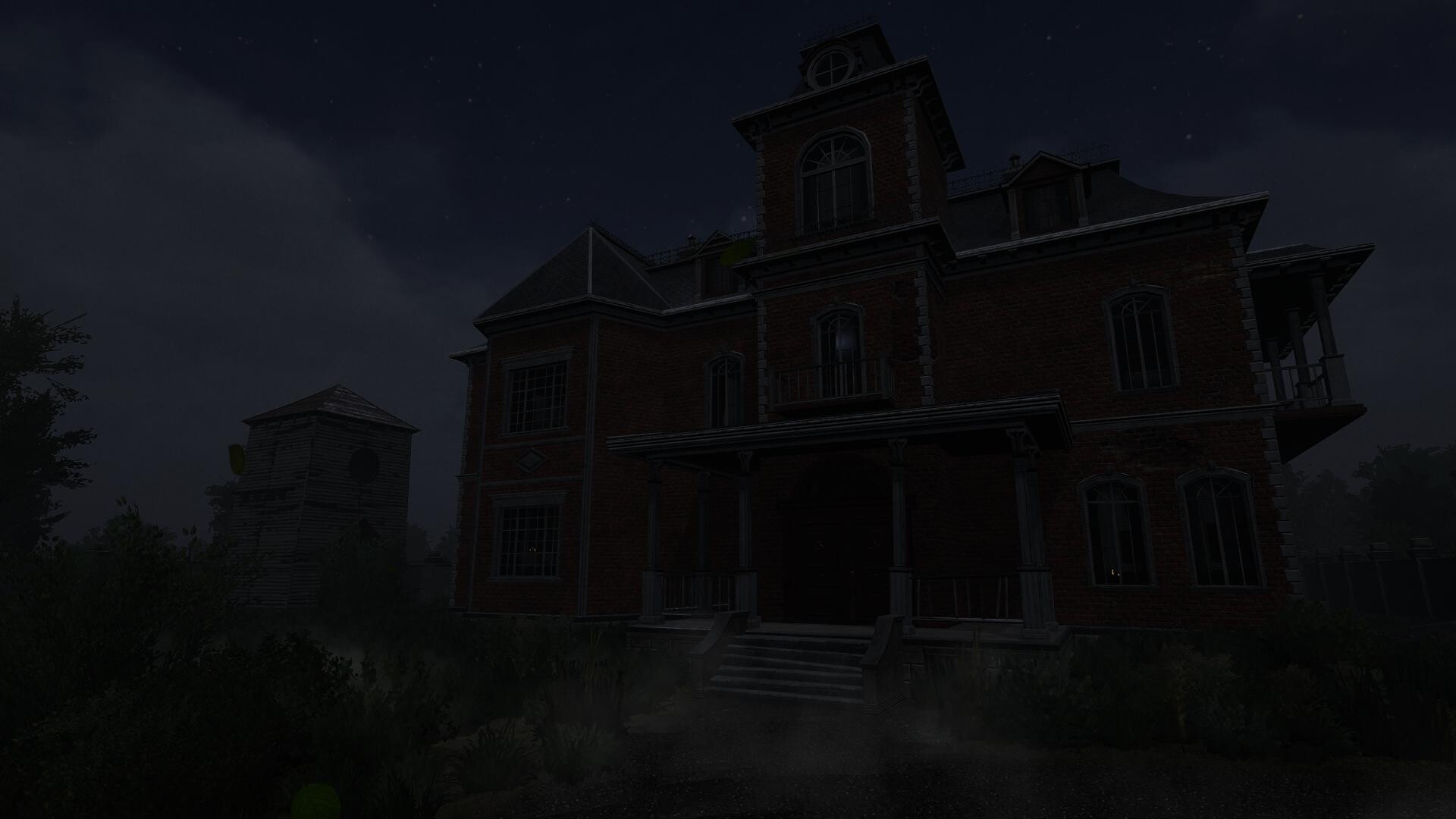
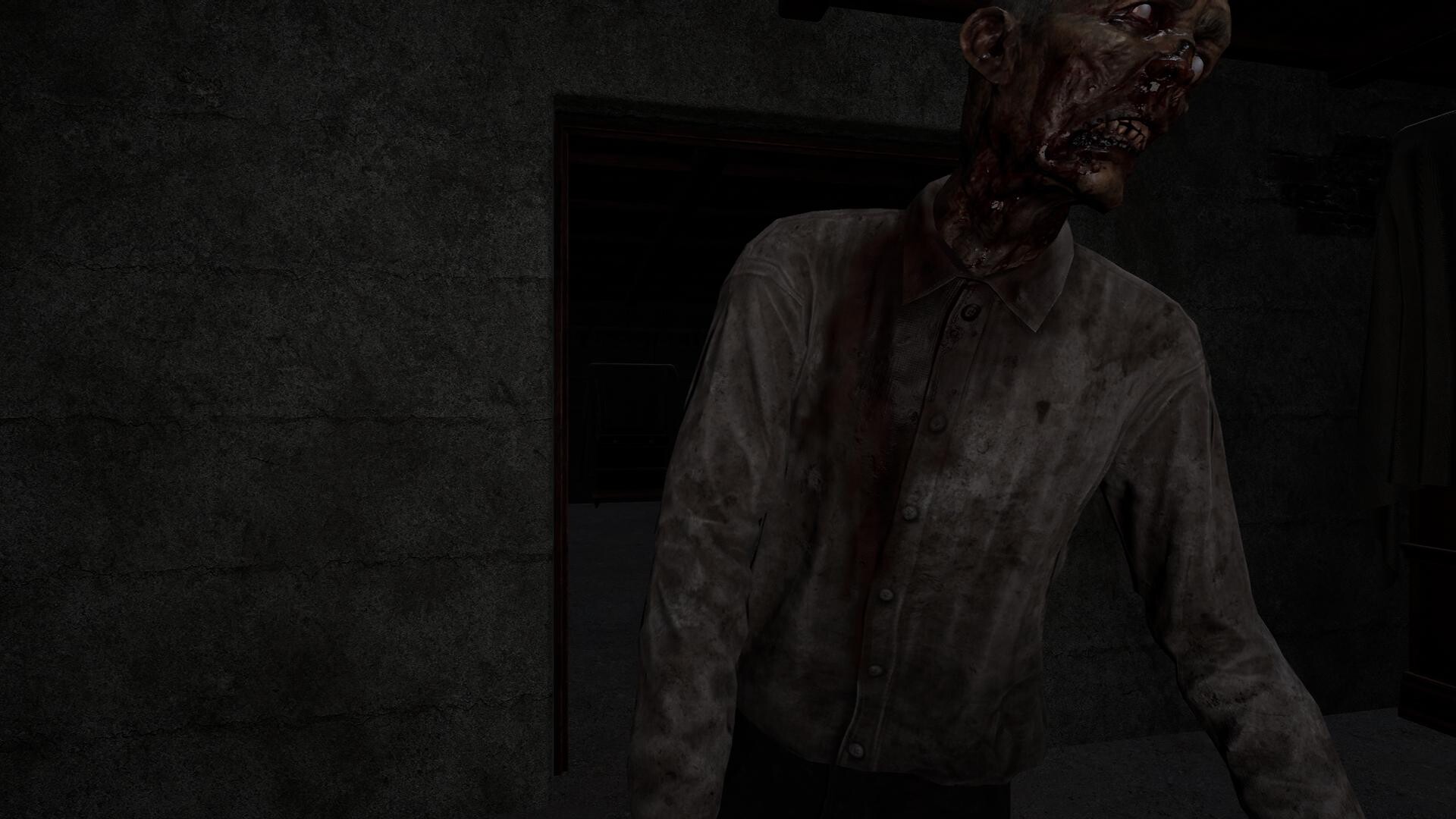
Trace of the Villa (Steadyturtle Co., Ltd.) leans into atmosphere and uncertainty rather than frantic shock—an investigation of absence where every recovered document and relit corridor tightens the mood. Released 28 May, 2026 on Steam, the game frames its mystery as a series of small reveals: manifests, encrypted fragments and household traces that suggest people were moved through the mansion under strict control.

What Trace of the Villa is
Officially billed as an atmospheric mystery adventure with Action, Adventure and Indie tags, Trace of the Villa follows Jin, a man who has spent years searching for his missing sister. The Steam description sets the tone: a remote, decaying mansion “less abandoned than erased,” filled with rooms furnished as if occupants vanished mid-routine. When Jin restores power to the estate, secured systems come back online and the house begins to yield manifests, encrypted documents and suspicious transfer records that slowly reveal the property’s role in a larger, concealed operation.
Quick facts
| Title | Trace of the Villa |
|---|---|
| Developer / Publisher | Steadyturtle Co., Ltd. |
| Release date | 28 May, 2026 |
| Genres | Action, Adventure, Indie |
| Notable categories | Single-player; Playable without Timed Input; Subtitle Options; Custom Volume Controls; Color Alternatives; Family Sharing |
| Steam page | Trace of the Villa on Steam |
Who this is for
- Players who value environmental storytelling and want a mystery built from household traces, records and slow reveals.
- Fans of story-rich adventure games where solving puzzles and reading documents advance the narrative rather than repeated combat or timed reactions.
- Anyone who prefers slow-burn suspense—uncertainty and absence that grow oppressive—over constant jump-scare choreography.
When and where
Trace of the Villa is available on Steam as of 28 May, 2026. The Steam listings and categories indicate a single-player, PC-focused experience with accessibility options like subtitle support and the option to play without timed input, which supports methodical, clue-driven pacing.
Why quiet tension and uncertainty matter more than shock claims
Games that lean on quiet tension make the player an investigator rather than a reflex target. The mansion in Trace of the Villa is written as a space that resists explanation: missing identities, rooms left mid-routine, and locked systems that only reveal fragments when power is restored. That pattern—small pieces of information separated by silence—creates a cognitive itch. You begin to anticipate the next clue and to feel the absence as a presence. That sustained uncertainty often produces a deeper, longer-lasting unease than a catalogue of shocks because it implicates the player’s mind in the fear.
How progression and clue-reading work
The Steam description describes a progression loop built around restoring systems and uncovering secured evidence: restoring power, reactivating estate systems, unlocking hidden compartments and safes, and recovering manifests and encrypted documents. Those recovered artifacts point to falsified identities, suspicious transfers and a pattern of arrivals and departures without records—narrative threads the player must piece together. The presence of a “Playable without Timed Input” category supports a playstyle that rewards careful inspection, note-taking and exploration rather than split-second reaction.
Comparison: where Trace of the Villa sits among slow-burn psychological titles
| Title | Genre / Focus | Atmosphere | Puzzle / Exploration | Pacing |
|---|---|---|---|---|
| Amnesia: The Dark Descent | Action / Adventure / Indie | Claustrophobic, dread-driven immersion | Environmental puzzles and survival elements supporting immersion | Slow-burn with resource pressures |
| SOMA | Action / Adventure / Indie | Existential, oppressive sci-fi melancholy | Exploration and narrative puzzles that ask philosophical questions | Measured, contemplative |
| Layers of Fear (2016) | Adventure / Indie | Disorienting, surreal Victorian mansion | Environment-driven puzzle-rooms that shift the level itself | Psychological, episodic reveals |
| Poppy Playtime | Action / Adventure / Indie | Tense, toy-factory horror with periodic set pieces | Puzzle-adjacent tools (e.g., GrabPack); more overt encounters | More active and set-piece driven than slow-burn titles |
Use this table to decide fit: Trace of the Villa aligns more with titles that emphasize investigative atmosphere and slow revelation (Amnesia, SOMA, Layers of Fear) rather than on-the-nose set pieces or combat-heavy horror.
Player scenarios — should you wishlist it?
- If you keep notebooks while you play, savor document fragments and enjoy building timelines from small details: wishlist Trace of the Villa.
- If you prefer frequent action, resource-based survival or rapid enemy encounters, this title leans toward quiet investigation and may feel too restrained.
- If you value accessibility in pacing—options like “Playable without Timed Input” and subtitles—this supports relaxed, careful exploration.
YouTube discovery
If you want trailers or gameplay impressions, search YouTube:
YouTube discovery
For trailer and gameplay discovery, use YouTube search rather than relying on unverified embeds: Find Trace of the Villa trailer and gameplay searches on YouTube.
Leave a Reply