
Trace of the Villa: why quiet tension and uncertainty beat loud shocks
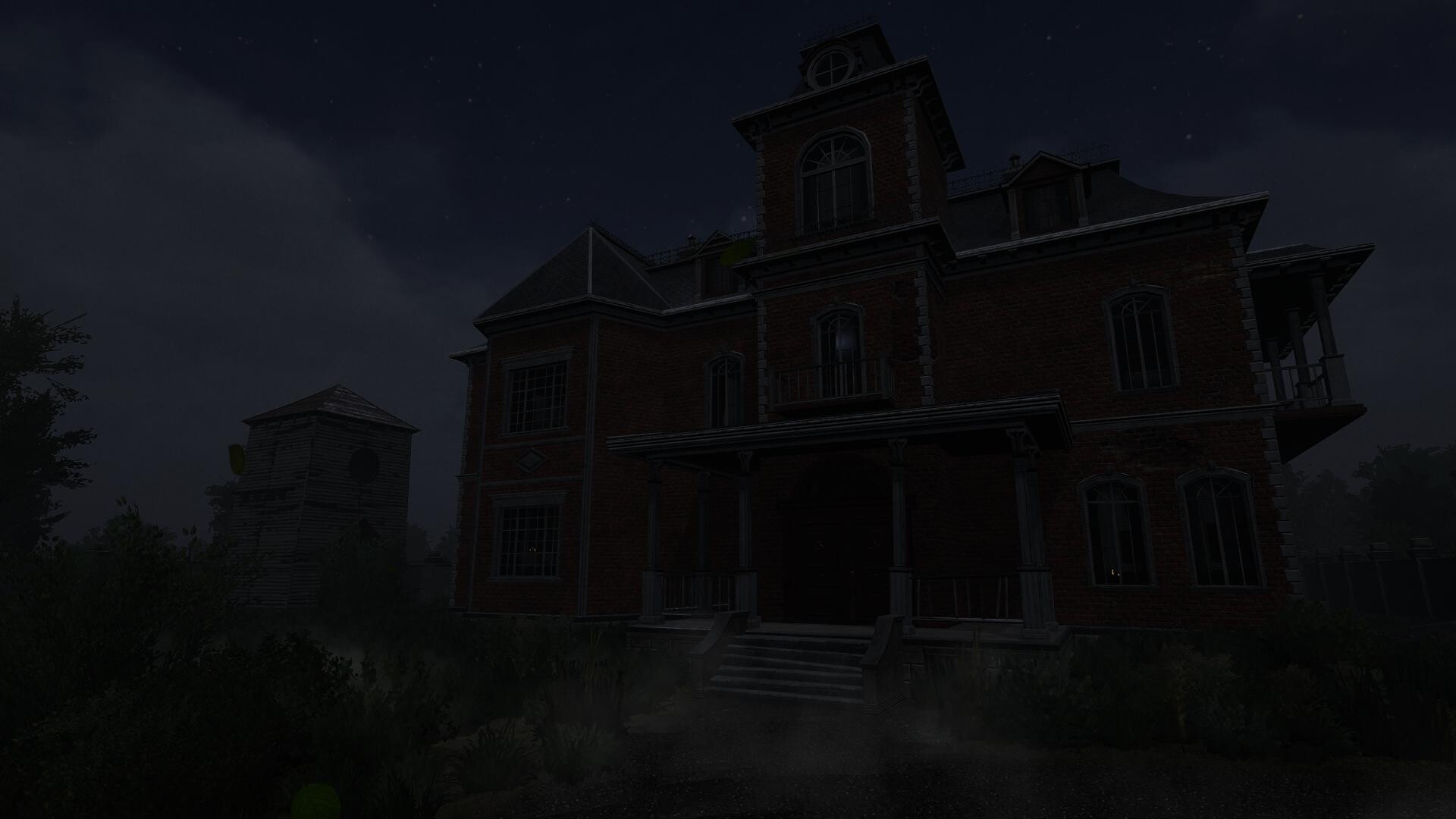
Trace of the Villa is an atmospheric mystery adventure that leans on slow-burn suspense, environmental storytelling and clue-driven exploration rather than jump-scares. Developed and published by Steadyturtle Co., Ltd., it places Jin in a decaying, deliberately forgotten mansion where every restored circuit and unlocked compartment adds another whisper to a wider, disturbing pattern.
| Title | Trace of the Villa |
|---|---|
| Steam appid | 3483660 |
| Developer | Steadyturtle Co., Ltd. |
| Publisher | Steadyturtle Co., Ltd. |
| Release date | 28 May, 2026 |
| Genres | Action · Adventure · Indie |
| Key categories / accessibility | Single-player · Color Alternatives · Custom Volume Controls · Playable without Timed Input · Subtitle Options · Family Sharing |
| Short premise | Jin searches a remote, decaying mansion for clues that his missing sister might still be alive. |

Who is this for?
If you favor mood-driven horror, methodical investigation, and environmental storytelling over loud shocks, Trace of the Villa is pitched toward you. The game’s categories — including subtitle options, custom volume controls and a “playable without timed input” tag — also suggest an experience designed for players who want to read, think and explore at their own pace rather than react under pressure.
What the game is
Trace of the Villa casts you as Jin, a protagonist defined by a long search for his missing sister. A single lead points him to a mansion cut off from the grid; inside, rooms look inhabited but identities have been scrubbed. When Jin restores power and opens locked systems, the estate reveals encrypted documents, safes and puzzles that point to a larger, concealed operation. The official Steam listing frames this as a psychological investigation that blends exploration and puzzle solving in a decaying estate.
When and where
Trace of the Villa released on 28 May, 2026 and is available on Steam for PC. View the Steam page: Trace of the Villa on Steam.
Why the theme matters: restraint and the power of uncertainty
Psychological horror hinges on unanswered questions. Trace of the Villa leans into uncertainty — missing records, erased identities, encrypted fragments — and uses pacing and environmental detail to make the player feel the weight of what’s been concealed. Restoring power and watching systems reveal themselves is a quieter kind of reveal than a scripted scare, but it builds an accumulating dread that often lingers longer than a single jump-scare.
How you progress — reading clues and piecing a timeline
The official description outlines the core loop: investigate rooms, restore systems, unlock compartments and decode fragments of documents and records. Each puzzle solved yields a new thread — suspicious transfers, falsified identities, people arriving without records — so progression is largely clue-driven. That design rewards careful attention to environment, patience with puzzle-work and a willingness to reconstruct a timeline from small, often ambiguous pieces.
Player scenarios — who should wishlist it (and who might pass)
- Wishlist if: you enjoy slow-burn suspense, clue-driven exploration, environmental storytelling and methodical puzzle work in a single-player experience.
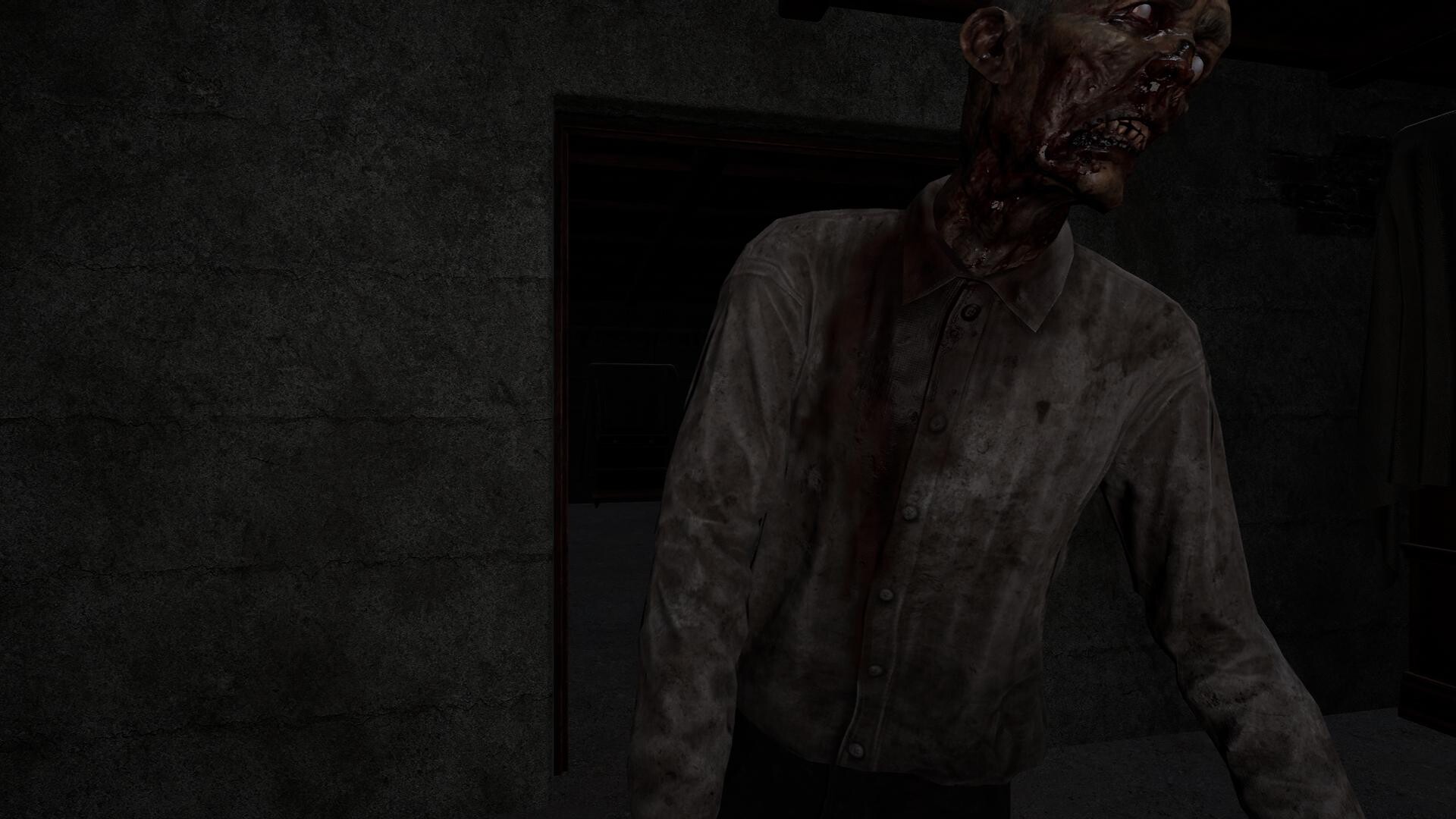
- Consider carefully if: you prefer fast-paced, combat-heavy horror or frequent scripted jump-scares; Trace of the Villa emphasizes mood and investigation over non-stop action.
- Accessibility-minded players: the Steam page lists subtitle options, color alternatives and custom volume controls — useful for players who want to tailor the presentation.
How it compares — quiet tension vs. other psychological horror experiences
| Title | Release date |
|---|
Leave a Reply