
Trace of the Villa: why quiet tension and uncertainty matter more than shock claims
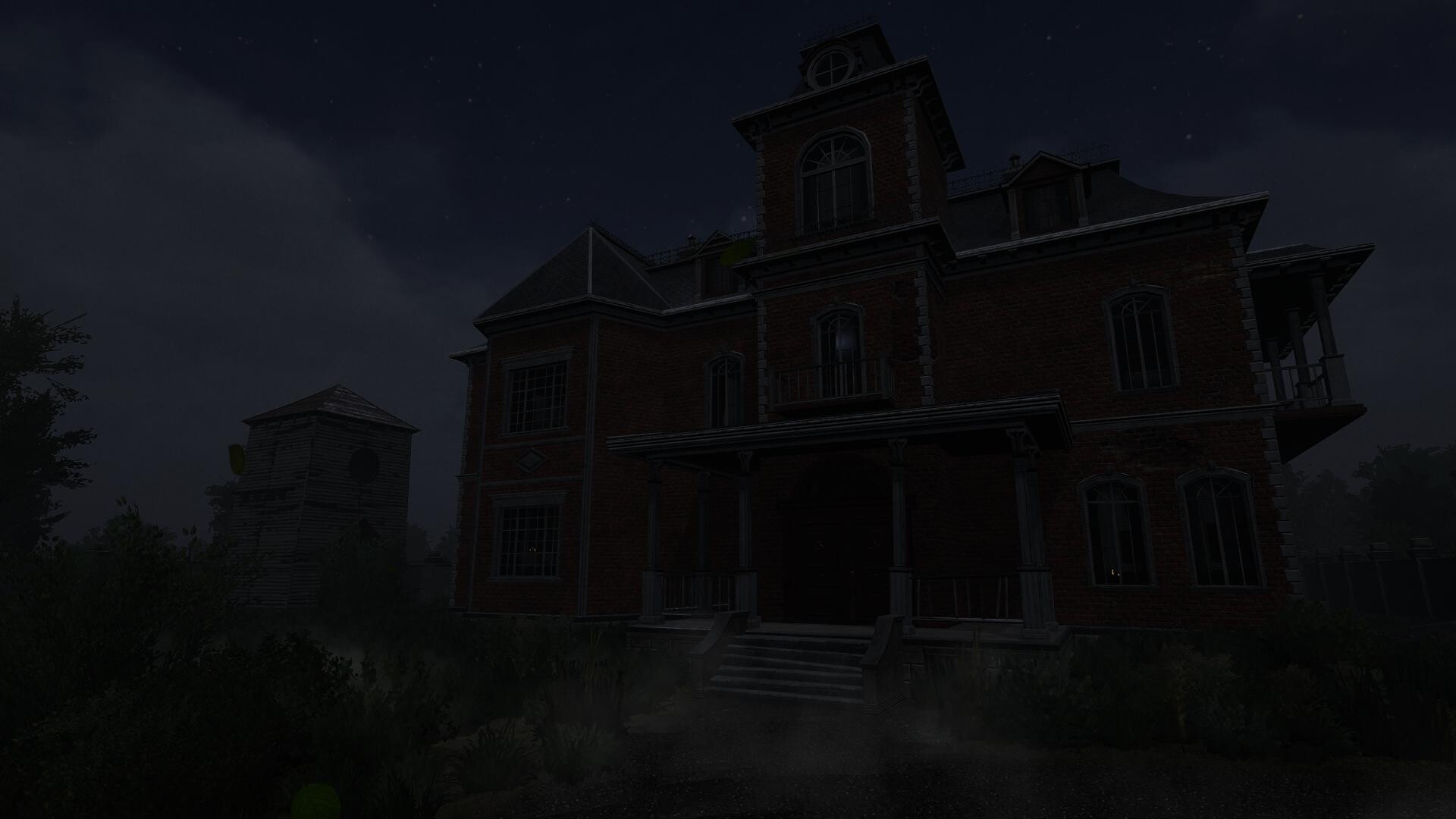
Trace of the Villa leans into slow-burn suspense: a decaying mansion, a protagonist named Jin searching for his missing sister, and an investigation that rewards attention to detail rather than jump-scare reflexes. The game trades loud shocks for environmental storytelling, locked doors that resist easy answers, and puzzle work that uncovers a carefully hidden operation.

Who, what, when, and where
Who: Jin is the on-page protagonist named in the official Steam description; the game is developed and published by Steadyturtle Co., Ltd.
What: Trace of the Villa is presented on Steam as an Action / Adventure / Indie title with single-player support and accessibility options such as color alternatives, custom volume controls, subtitle options, and the ability to play without timed input.
When & where: The game released on 28 May, 2026 and is available on Steam for PC (see Steam page link below).
Why the theme matters: mood-driven horror and subtle tension
Trace of the Villa’s core mood—rooms furnished as if occupants vanished mid-routine, identities intentionally erased, and systems that only reveal secrets when power returns—pushes the player toward a particular mode of engagement. Instead of reflexive fear, the tension comes from uncertainty: missing records, falsified identities, encrypted fragments, and financial trails that lead nowhere. That uncertainty invites sustained attention, fosters unease, and rewards players who prefer psychological investigation over pump-and-release scares.
How progression and clue-reading work
The official description lays out the primary investigative loop: Jin recovers manifests and hints that suggest his sister may still be alive, restores power to sections of the mansion, and then follows the trail that unlocked systems and hidden compartments reveal. Safes and secured systems yield fragments of encrypted documents, suspicious transfer records, and other puzzle leads. In short: exploration uncovers documents and artifacts; solving environmental and inventory puzzles lets systems come back online; decrypted fragments reshape the timeline and point to the next lead.

Compact facts — Trace of the Villa
| Title | Trace of the Villa |
|---|---|
| Steam AppID | 3483660 |
| Developer / Publisher | Steadyturtle Co., Ltd. |
| Release Date | 28 May, 2026 |
| Genres | Action, Adventure, Indie |
| Notable Steam Categories | Single-player; Color Alternatives; Custom Volume Controls; Playable without Timed Input; Subtitle Options; Family Sharing |
Who should wishlist this
- Players who prefer slow-burn, atmospheric mystery adventures with an investigative bent rather than frequent jump scares.
- Fans of environmental storytelling who enjoy piecing together a timeline from documents, manifests, and locked systems.
- Those who value accessible options (subtitles, color alternatives, no timed input) and a single-player, narrative-focused experience.
Player scenarios — where Trace of the Villa fits your mood
Evening investigator: You want a concentrated session of clue-following and puzzle-solving. The mansion’s rooms and restored systems deliver a patient cadence where discoveries feel earned.
Atmosphere-first explorer: You savor creaky corridors, muted audio design, and the sense that every object contributes to a broader history. The game’s emphasis on erased identities and falsified records rewards careful observation.
Casual puzzler wanting tone: If you like puzzles embedded in a narrative rather than as abstract obstacles, Trace of the Villa’s encrypted fragments and safes likely appeal more than pure action-horror bursts.
How it compares to nearby titles
Below is a short editorial comparison focused on atmosphere, puzzle emphasis, exploration style, pacing, and tone—intended to help readers determine which experience better matches their taste.
| Game | Core tone / atmosphere | Puzzle focus | Exploration style | Pacing |
|---|---|---|---|---|
| Trace of the Villa | Mansion mystery, erased identities, investigative dread | Document fragments, safes, restored systems; clue-driven | Methodical room-to-room investigation | Slow-burn, tension through uncertainty |
| Amnesia: The Dark Descent | Immersive, first-person survival horror | Puzzle and stealth elements supporting survival | First-person exploration with emphasis on immersion | Tense and immediate, with survival pressure |
| SOMA | Sci-fi horror, existential dread beneath the ocean | Environmental puzzles and narrative-driven choices | Exploration of confined, atmospheric facilities | Measured pacing with philosophical undertones |
| Layers of Fear (2016) | Psychological, shifting Victorian mansion | Story-tied environmental puzzles supporting horror | Nonlinear rooms that change—narrative-first exploration | Slow and atmospheric, focused on psychological unease |
| Poppy Playtime | Toy-factory horror with a puzzle-adventure edge | Tool-based puzzles (e.g., GrabPack) and circuit interactions | Set-piece rooms inside an abandoned facility | More scripted tension and set-piece encounters |
YouTube discovery
If you want to watch trailers or gameplay searches, use this YouTube search path (search results may include trailers and playthroughs; we do not assert any specific video is official): YouTube search: Trace of the Villa trailer gameplay
Deciding checklist
- Do you prefer an investigative mystery set in a mansion with document-led puzzles? — Likely a fit.
- Do you need fast-paced action or frequent survival pressure? — This title is described as slow-burn and mood-driven rather than high-octane survival.
- Do accessibility options matter? — The Steam page lists subtitle options, custom volume controls, and options to play without timed input.
View Trace of the Villa on Steam
Disclaimer: referenced titles and trademarks belong to their respective owners; comparisons above are editorial discovery only,
Leave a Reply