
Trace of the Villa: why quiet tension and uncertainty matter more than jump scares
Trace of the Villa frames its horror as a slow, investigative pull rather than a string of shocks — a mansion mystery that asks you to piece together erased lives. If you favour mood-driven psychological investigation and environmental storytelling over loud, reactive scares, this Steam release deserves a look.

Quick facts
| Title | Trace of the Villa |
|---|---|
| Steam AppID | 3483660 |
| Release date | 28 May, 2026 |
| Developer / Publisher | Steadyturtle Co., Ltd. |
| Genres | Action, Adventure, Indie |
| Categories (selected) | Single-player; Color Alternatives; Custom Volume Controls; Playable without Timed Input; Subtitle Options; Family Sharing |
| Official short description | Jin has spent years searching for his missing sister, pursuing leads that took him to a remote, decaying mansion where he recovered manifests and hints that indicate his sister may still be alive, somewhere at the end of the trail he is about to follow. |
| Store page | Trace of the Villa on Steam |
Who, what, when, where, why and how
Who is it for?
This is aimed at players who prefer atmospheric mystery adventure on PC: people who value environmental storytelling, patient pacing and clue-driven exploration over frequent jump scares. If you enjoy following a single protagonist’s personal investigation — in this case, Jin searching for his missing sister — this style will fit.
What is the game?
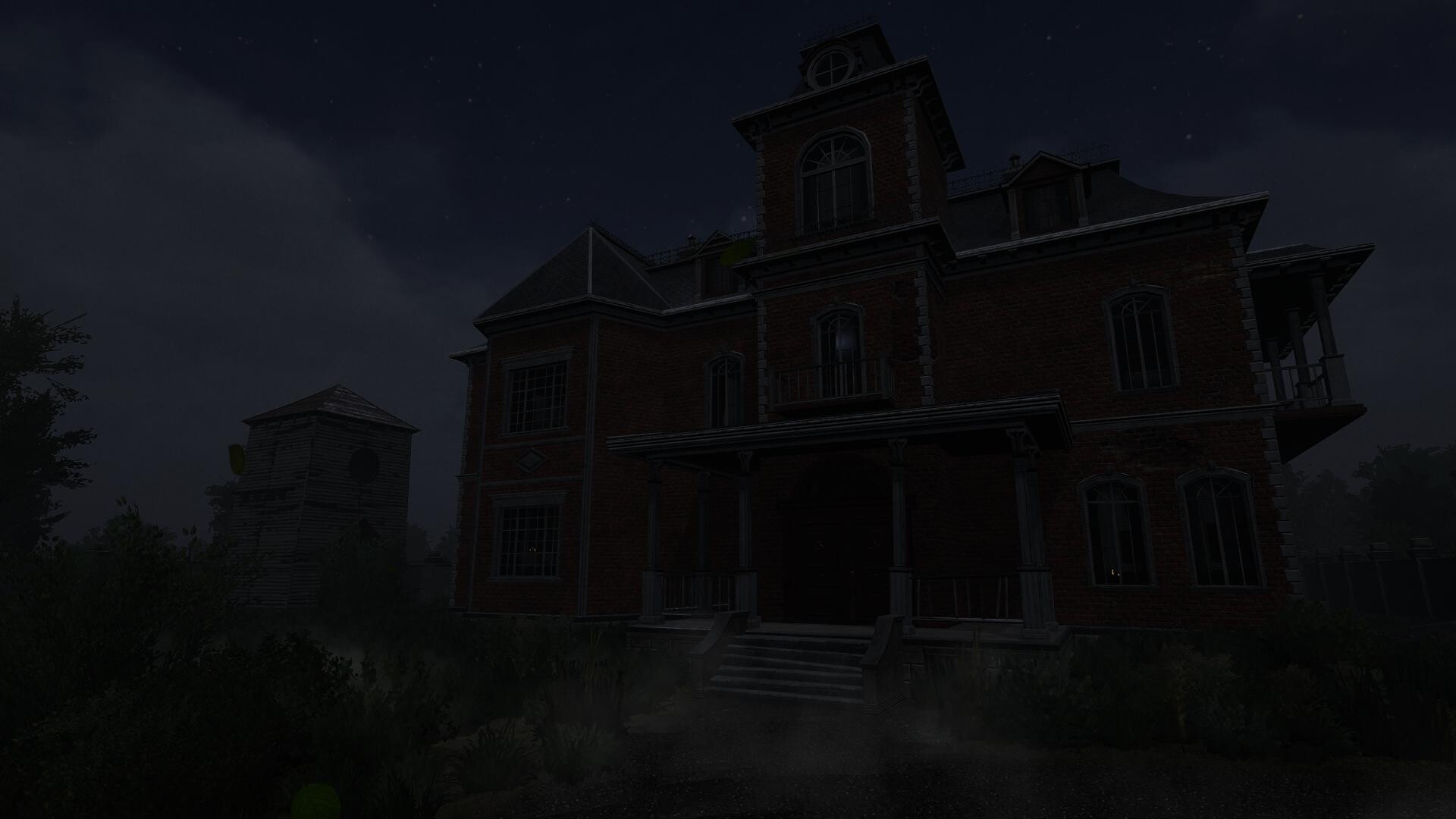
Trace of the Villa is a narrative puzzle-adventure set in a remote, decaying mansion. The Steam description emphasises investigation and reconstruction: restoring power, unlocking hidden compartments, recovering encrypted documents and piecing together financial trails and falsified identities. The house reads like a staged absence — rooms furnished as if their occupants left mid-routine — and the core loop is reading the environment to understand what happened.
When and where is it available?
Trace of the Villa released on Steam on 28 May, 2026. The Steam store listing lists it under Action / Adventure / Indie and provides accessibility and control options such as custom volume controls, subtitle options and a “playable without timed input” category that signals slower, puzzle-forward pacing.
Why does quiet tension work here?
Restraint makes details matter. When a mansion already feels “erased,” every small artifact — a locked safe, a transfer record, a restored security feed — carries narrative weight. The game’s stated focus on manifests, encrypted fragments and falsified identities suggests an investigative architecture: uncovering information incrementally raises stakes without a constant stream of shocks. That sustained uncertainty is what turns ordinary corridors into territory worth worrying about.
How do you progress?
Progression is clue-driven. The official description points to mechanics like restoring power, unlocking systems and solving puzzles that reveal new documents and access. Players advance by examining recovered manifests, decrypting fragments and connecting financial or identity anomalies to the timeline. It’s a methodical process: uncover one piece, use it to open another, and slowly assemble the truth behind the mansion’s controlled arrivals and unexplained departures.
Two scenes from the house

Which players should wishlist it?
- Slow-burn story seekers: You like piecing together a timeline from objects, documents and locked rooms rather than survive-or-die confrontations.
- Explorers who read space: If environmental storytelling — rooms that imply prior actions and absences — is your preferred narrative vehicle, Trace of the Villa promises that type of experience.
- Puzzle-first adventurers: Players who enjoy unlocking new systems (power, safes, encrypted files) and connecting clues to advance will find the loop satisfying.
- Accessibility-minded players: The Steam page lists options such as subtitles, color alternatives and “playable without timed input,” which supports a contemplative pacing.
How it compares to nearby titles
| Title | Primary tone | Focus | Pacing | Player fit |
|---|---|---|---|---|
| Trace of the Villa | Quiet, investigative | Environmental storytelling, document/puzzle reconstruction | Slow, methodical | Players who prefer clue-driven exploration and mood-driven tension |
| Amnesia: The Dark Descent | Claustrophobic, survival dread | Immersion and survival mechanics that heighten immediate fear | Relentless and immersive | Players seeking constant pressure and immediate threat |
| SOMA | Philosophical, existential | Sci‑fi narrative with exploration and survival elements | Slow to medium, narrative-heavy | Players who want story-driven atmosphere with existential stakes |
| Layers of Fear (2016) | Surreal, psychologically unsettling | Shifting environments and a focus on storytelling through space | Moderate, focused on tension and reveal | Players who like mansion-set psychological storytelling and visual unease |
| Poppy Playtime | Playful yet threatening | Puzzle-adventure with overt antagonists and mechanical toys | Punctuated by set-piece encounters | Players wanting puzzle mechanics blended with tangible chase moments |
Editorial note: this comparison highlights differences in tone, puzzle emphasis, exploration style and pacing to help you decide fit; it is a descriptive editorial mapping, not a ranking.
Trailer and gameplay discovery
If you want trailers or gameplay clips, use this YouTube search path to find videos related to Trace of the Villa (search results may include trailers and player footage): Search Trace of the Villa trailers and gameplay on YouTube.
See the store page
View Trace of the Villa on Steam
Notes and disclaimer
All game information above is taken from the Trace of
Leave a Reply