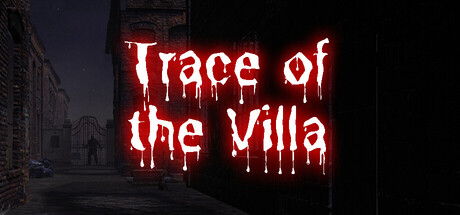
Trace of the Villa: Why Quiet Tension Outranks Loud Jump Scares
Trace of the Villa is a mood-driven mystery-adventure that prefers the pressure of silence over the jolt of a shock. Developed and published by Steadyturtle Co., Ltd. and released on 28 May, 2026 for Steam/PC, it asks players to read a decaying mansion like a crime scene — each powered circuit and unlocked safe a small, unsettling revelation.

Who this is for
Trace of the Villa suits players who prefer psychological investigation and slow-burn suspense to adrenaline-fueled jump scares. If you like atmosphere-first horror, environmental storytelling, and narrative puzzle design — players who want to piece together motives and timelines from fragments — this title is aimed squarely at you.
What the game actually is
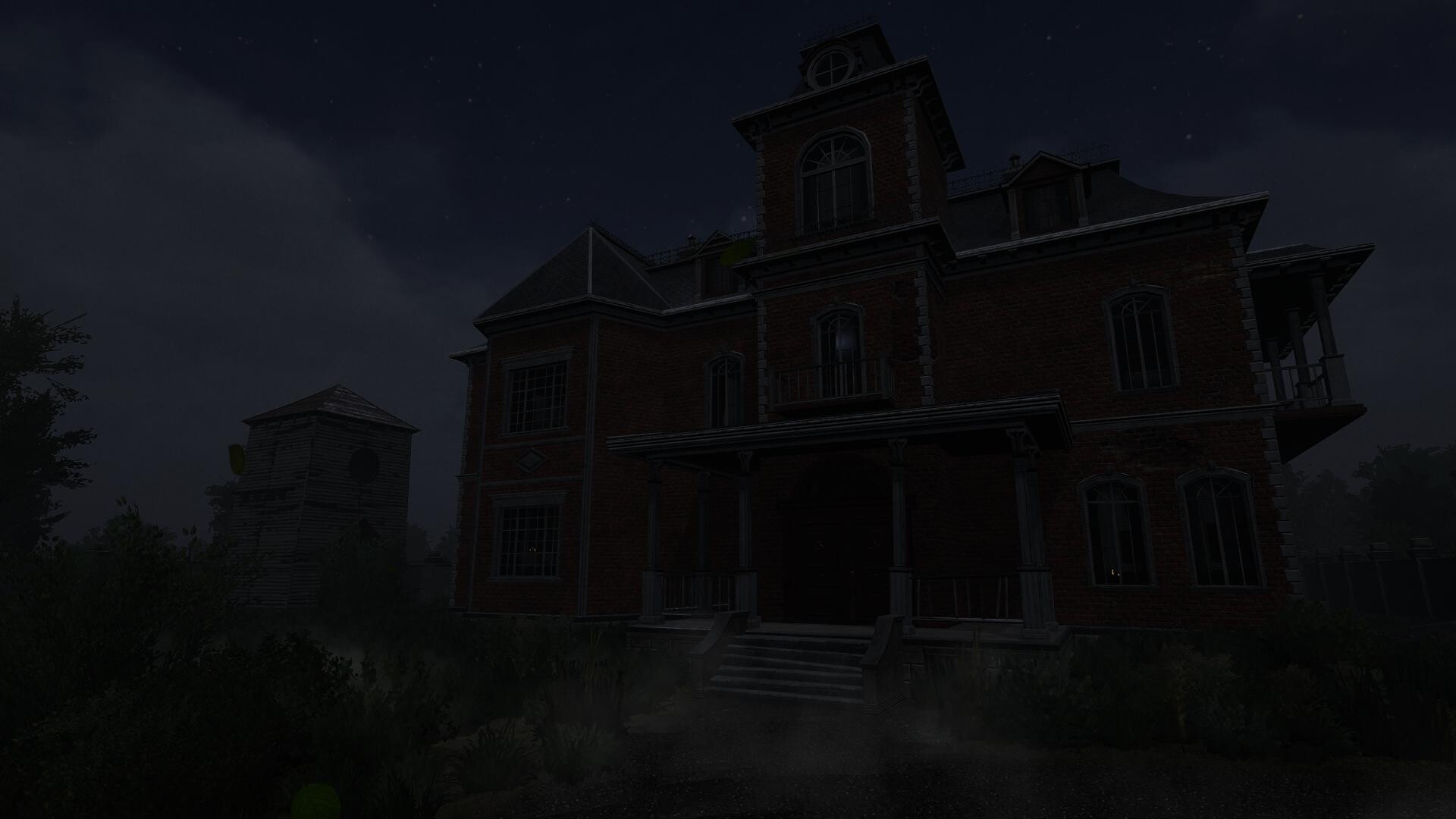
Officially described on Steam, Trace of the Villa follows Jin, who has spent years searching for his missing sister. A lead brings him to a remote, decaying mansion where manifests and hints suggest she may still be alive. Inside, rooms look like they were abandoned mid-routine and identities appear deliberately erased. When Jin restores power, the estate begins to reveal its secrets: locked systems come online, hidden compartments open, safes yield encrypted fragments, and financial trails suggest a larger, concealed operation. The game sits in Steam’s listed genres of Action, Adventure, Indie and includes categories such as Single-player, Color Alternatives, Custom Volume Controls, Playable without Timed Input, Subtitle Options, and Family Sharing.
When and where
Trace of the Villa launched on Steam on 28 May, 2026. It’s presented as a PC/Steam indie release from Steadyturtle Co., Ltd.; the Steam page is the primary discovery point for storefront details, screenshots, and system options.
Why quiet tension and uncertainty matter here
The mansion setting and the premise of erased identities create a narrative ballast that benefits from restraint. Instead of artificially raising the volume, Trace of the Villa uses mundane objects and gradual technical restoration as tension levers. That approach rewards players who are comfortable with ambiguity — the sense that not every gap will be filled immediately. When atmosphere is the mechanic, small discoveries accumulate into dread more effectively than repeated, predictable shocks.
How you progress and read clues
Progression is clue-driven and investigative in tone. According to the Steam description, Jin restores power to the estate, which brings systems back online and allows previously sealed layers to become accessible. Players will solve puzzles that unlock safes and decrypt documents; each solved puzzle exposes another piece of a carefully concealed timeline. This is deliberate design: exploration and problem-solving are the engines for narrative revelation rather than combat or timed reflex challenges — the Steam categories even list the game as playable without timed input.
Compact facts: Trace of the Villa
| Title | Trace of the Villa |
|---|---|
| Release date | 28 May, 2026 |
| Developer / Publisher | Steadyturtle Co., Ltd. |
| Genres | Action, Adventure, Indie |
| Steam categories / features | Single-player; Color Alternatives; Custom Volume Controls; Playable without Timed Input; Subtitle Options; Family Sharing |
| Official short description | Jin has spent years searching for his missing sister, pursuing leads that took him to a remote, decaying mansion where he recovered manifests and hints that indicate his sister may still be alive, somewhere at the end of the trail he is about to follow. |
Player scenarios — will it fit your playstyle?
You’re an atmosphere-first player
If you prize slow-burn suspense, layered set dressing, and puzzles that feel like forensic work, Trace of the Villa aligns with those expectations. The game’s restoration mechanics—bringing systems back online to reveal new areas—reward patience and careful observation.
You’re puzzle-oriented but dislike time pressure
The Steam listing explicitly notes “Playable without Timed Input.” That matters: puzzles here appear to emphasize decryption, safes, and environmental logic rather than reflex checks, making it a better fit for methodical problem-solvers.
You’re after constant scares or fast action
If you prefer constant adrenaline spikes or action-heavy horror, this title may feel restrained. Its design intent is slow revelation, and tension is created by uncertainty and implication rather than repeated jump scares.
How it compares — editorial discovery
Below is a concise, factual comparison with nearby titles that readers often consider when evaluating mood-driven horror and investigative adventures. This is an editorial look at differences in genre, tone, puzzle focus, exploration style, and pacing.
| Title | Genre / Year | Atmosphere & Story Tone | Puzzle / Exploration Focus | Pacing |
|---|---|---|---|---|
| Trace of the Villa | Action, Adventure, Indie — 2026 | Decaying mansion, identity erasure, investigative dread | Clue-driven puzzles, systems restoration, safes & encrypted documents | Slow-burn, methodical |
| Amnesia: The Dark Descent | Action, Adventure, Indie — 2010 | Immersive Gothic horror, survival nightmare | Exploration with survival mechanics and environmental puzzles | Tense, often immediate threat |
| SOMA | Action, Adventure, Indie — 2015 | Sci-fi existential horror, philosophical tone | Exploration and puzzle-solving within a narrative-heavy setting | Measured, story-driven |
| Layers of Fear (2016) | Adventure, Indie — 2016 | Psychological, artistic madness in a shifting mansion | Atmospheric exploration with narrative puzzles and shifting spaces | Slow, hallucinatory |
| Poppy Playtime | Action, Adventure, Indie — 2021 | Playful-terrifying factory setting with chase tension | Puzzle tools (GrabPack) and stealth/escape elements | Upbeat, moment-to-moment tension |
 View Trace of the Villa on Steam
YouTube discovery
For trailer and gameplay discovery, use YouTube search rather than relying on unverified embeds: Find Trace of the Villa trailer and gameplay searches on YouTube.
Leave a Reply