
Trace of the Villa: a locked-mansion mystery built around restoring power and reconstructing evidence
Trace of the Villa casts you as Jin, a man following a cold trail to a decaying, off-grid mansion where manifests and hints suggest his missing sister may still be alive. Released on 28 May, 2026 by Steadyturtle Co., Ltd., the game frames investigation as a chain of environmental puzzles: restore systems, reopen sealed spaces, and piece together a timeline from fragments the house reluctantly yields.

Who should consider wishlist-ing Trace of the Villa? Players who enjoy slow-burn, atmospheric mystery adventures that treat the environment itself as a primary narrator. If you prefer clue-driven exploration and narrative puzzle design where every unlocked circuit or reopened safe shifts the playable map and uncovers new lines of inquiry, this is precisely the design language on display.
What the game is — premise and mechanical spine
Trace of the Villa is an Action/Adventure/Indie title for single-player PC, developed and published by Steadyturtle Co., Ltd. The setup is tightly defined: Jin finds a mansion that feels “erased” — rooms left mid-routine, personal effects with identities stripped away, locked doors and secured systems. Crucially, the official description says: “When Jin restores power to the estate, the house begins to reveal what it was hiding.” That line signals the core gameplay loop: restoring power brings online previously inaccessible systems, hidden compartments unlock, and safes reveal encrypted fragments that advance the investigation.
Where and when
Trace of the Villa is available on Steam; its release date is 28 May, 2026. The Steam store page lists developer and publisher as Steadyturtle Co., Ltd., and tags the game as Action, Adventure, Indie. Relevant accessibility and user options include single-player, color alternatives, custom volume controls, subtitle options, family sharing, and the note that it’s playable without timed input.
Why the “restore-power” loop matters
Locked-room thinking in a mansion mystery can easily become a series of isolated puzzles. Trace of the Villa uses a systems-first loop — power, access, evidence — to connect individual puzzles into a readable chain. Restoring electricity isn’t just a gating mechanic; it’s an investigative tool. As systems reboot, the environment changes in visible, narratively meaningful ways: security panels come online, lights reveal previously invisible marks, safes and encrypted devices become interactable and produce fragments of a broader financial/identity trail described in the official copy. That progressive reveal encourages environmental reading: the house itself accumulates meaning as you toggle power back on.
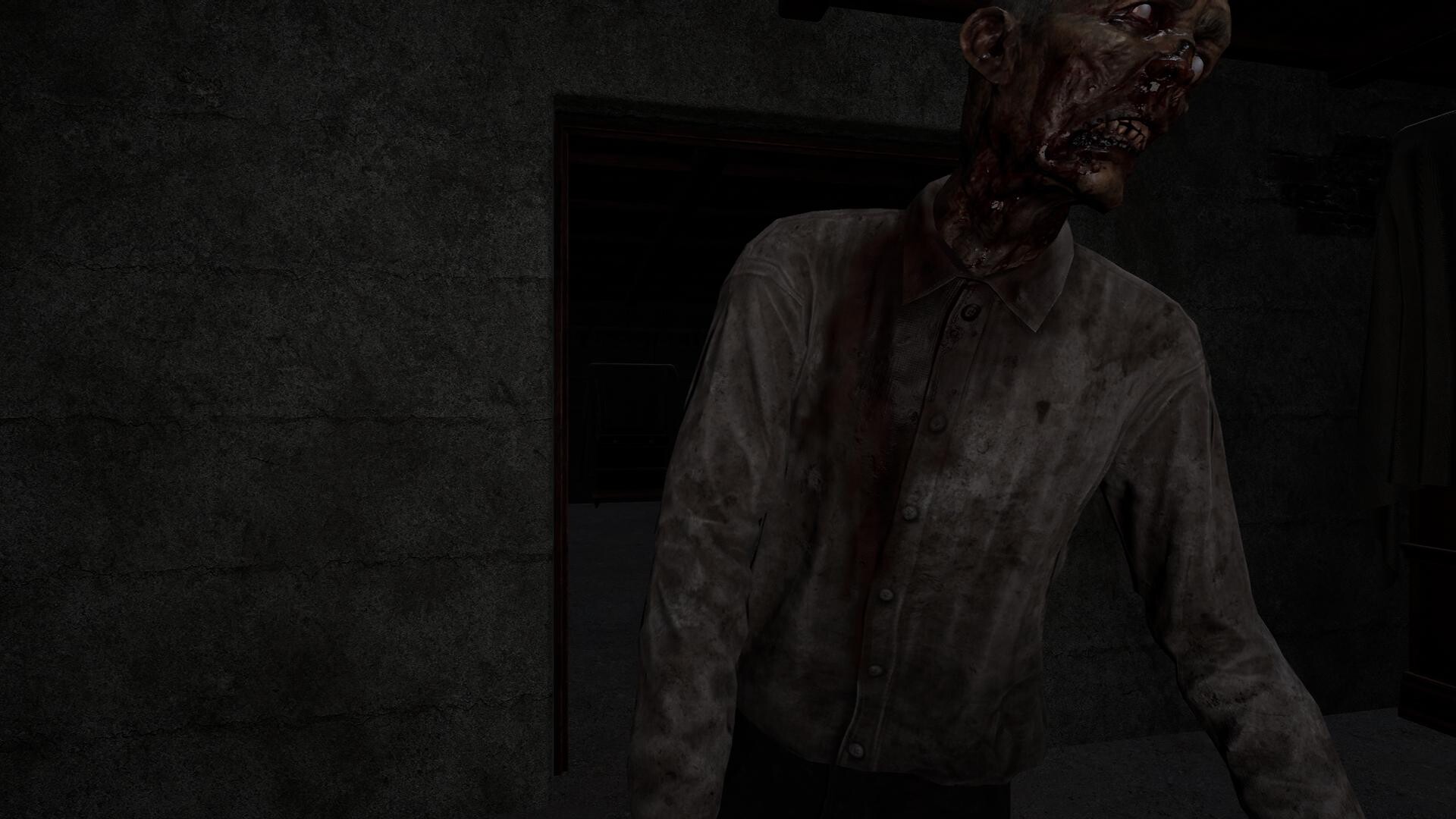
How you read clues and progress — locked-room thinking, clue chains, and environmental reading
Trace of the Villa’s progression is described as iterative and evidentiary. Expect three interlocking behaviors to dominate play sessions:
- System triage: find and restore power to sections of the mansion so devices and safes can be interrogated.
- Evidence reconstruction: gather fragments from encrypted documents, manifests and transfer records; each fragment suggests a new location or system to power.
- Spatial synthesis: combine what rooms show when powered with physical clues (furniture, markings, missing items) to form timelines and identify controlled movements through the estate.
This is locked-room thinking that privileges causal chains over isolated riddles: a powered circuit reveals a safe, the safe yields a manifest, the manifest points to a sealed wing. Environmental storytelling is the connective tissue — the mansion’s staged abandonment and the absence of photos or names are themselves clues you must interpret against recovered records.
Player scenarios — who this fits
Scenario A — The forensic puzzler
You enjoy slow, methodical systems work. You copy down encrypted fragments, cross-reference manifests, and backtrack rooms when a new clue hints at a locked-report cabinet. Trace of the Villa’s restore-and-read loop will reward note-taking and patience.
Scenario B — The environmental detective
You prefer games where set dressing, lighting and atmosphere do most of the storytelling. The mansion’s “erased” occupants — rooms furnished but identity-stripped — make visual inspection a primary tool. Restoring power is a mechanic that reshapes the visual evidence available to you.
Scenario C — The narrative-first player who likes puzzle framing
You’re driven by an emotional through-line: Jin’s search for his sister. If a mystery that ties mechanical unlocks to a mounting timeline is appealing, this game centers investigation around personal stakes rather than action spectacle.
Compact facts — Trace of the Villa
| Title | Trace of the Villa |
|---|---|
| Developer | Steadyturtle Co., Ltd. |
| Publisher | Steadyturtle Co., Ltd. |
| Release date | 28 May, 2026 |
| Genres | Action, Adventure, Indie |
| Key categories | Single-player; Color Alternatives; Custom Volume Controls; Playable without Timed Input; Subtitle Options; Family Sharing |
| Steam AppID | 3483660 |
How it compares — short editorial table
The table below compares Trace of the Villa to nearby mystery and puzzle-driven experiences. These comparisons are based on genre, atmosphere, puzzle focus, exploration style, story tone and pacing to help you decide which systems match your tastes.
| Title | Release | Genre / Focus | Puzzle emphasis | Exploration style | Tone / Pacing | Player fit |
|---|---|---|---|---|---|---|
| Trace of the Villa | 28 May, 2026 | Action / Adventure / Indie — mystery-driven | Systems-driven unlocks (power, safes, encrypted fragments) | Single-player, mansion-scale environmental reading | Slow-burn, investigative, narratively connective | Players who like evidence chains and pacing that rewards reconstruction |
| The Room | 28 Jul, 2014 | Adventure / Indie — puzzle box | Mechanical, tactile puzzle boxes | Contained-room puzzles with layered contraptions | Focused, intimate, puzzle-centric | Players who prefer handcrafted mechanical puzzles and singular-location focus |
| The Room Two | 5 Jul, 2016 | Adventure / Indie — expanded puzzle box | Multi-chambered tactile puzzles across themed locations | Sequential rooms linked by mystery beats | Atmospheric, steadily escalating | Players wanting puzzle-box complexity with a creeping narrative |
| Escape Simulator | 19 Oct, 2021 | Adventure / Casual / Indie — escape-room style | Highly interactive object puzzles and room-based challenges | Modular, community-made rooms with physical interactions | Fast to moderate pacing depending on room | Players seeking physics interaction, short puzzles and co-op options |
| Hi‑Fi RUSH | 25 Jan, 2023 | Action — rhythm-action | Combat and rhythm mechanics rather than investigative puzzles | Linear levels with action-driven progression | High-energy, fast-paced | Players who prioritize action and rhythm over environmental mystery |
Steam page
View Trace of the Villa on Steam
YouTube discovery
For trailer and gameplay discovery, use YouTube search rather than relying on unverified embeds: Find Trace of the Villa trailer and gameplay searches on YouTube.
Leave a Reply