
Trace of the Villa — where locked‑room thinking meets power, proof, and slow-burn clue chains
Trace of the Villa casts you as Jin, a searcher whose years-long hunt for a missing sister leads to a remote, decaying mansion cut off from the grid. The game’s investigative loop is literal: restore power, watch rooms and systems come back to life, and follow environmental traces and encrypted fragments to reconstruct what happened.

Who, what, when, where, why, and how — the essentials
Who: Jin is the protagonist named in the official Steam materials; the developer and publisher are Steadyturtle Co., Ltd.
What: Trace of the Villa is an Action / Adventure / Indie game on Steam that frames a mansion mystery as an investigative, environmental puzzle experience. The Steam page lists gameplay-accessibility categories such as Single-player, Color Alternatives, Custom Volume Controls, Playable without Timed Input, Subtitle Options, and Family Sharing.
When / Where: The game released on 28 May, 2026 and appears on Steam at the app ID 3483660.
Why this theme matters: The mansion is described as “deliberately forgotten” and “less abandoned than erased,” which sets up an appeal for players who enjoy psychological investigation, atmosphere-driven pacing, and puzzles that rely on reading the environment rather than reflexes.
How you progress: According to the official description, restoring power to the estate is a turning point: secured systems come back online, hidden compartments unlock, safes yield fragments of encrypted documents and suspicious transfer records, and each solved puzzle reveals another layer of a carefully concealed operation. That chain — power → access → evidence → timeline reconstruction — is the core gameplay loop.
Compact facts
| Title | Trace of the Villa |
| Steam App ID | 3483660 |
| Developer / Publisher | Steadyturtle Co., Ltd. |
| Release date | 28 May, 2026 |
| Genres | Action, Adventure, Indie |
| Key Steam categories | Single-player; Color Alternatives; Custom Volume Controls; Playable without Timed Input; Subtitle Options; Family Sharing |
| Official premise (short) | Jin searches a remote mansion where recovered manifests and hints indicate his sister may still be alive, somewhere at the end of the trail. |
How locked‑room thinking and clue chains are built into the loop
Trace of the Villa uses a practical, layered structure for its mysteries. The official text describes a property “cut off from the grid” and notes that “when Jin restores power to the estate, the house begins to reveal what it was hiding.” That phrasing tells you two things about puzzle design:
- Restoration as a gating mechanic — regaining electricity is literal access: security systems, safes, and sealed compartments return to function, turning the mansion itself into a sequence of unlocking puzzles.
- Evidence as incremental reward — safes and systems yield fragments (encrypted documents, manifests, transfer records) rather than full answers, forcing players to assemble a timeline from partial signals and environmental markers.
For players who enjoy “reading” a space — cataloging objects, noting anomalies, and mapping cause-and-effect across rooms — that workflow is familiar: move from locked door to partial clue to synthesis, and let the environment confirm or contradict your hypotheses.
Visuals: sample in‑game frames
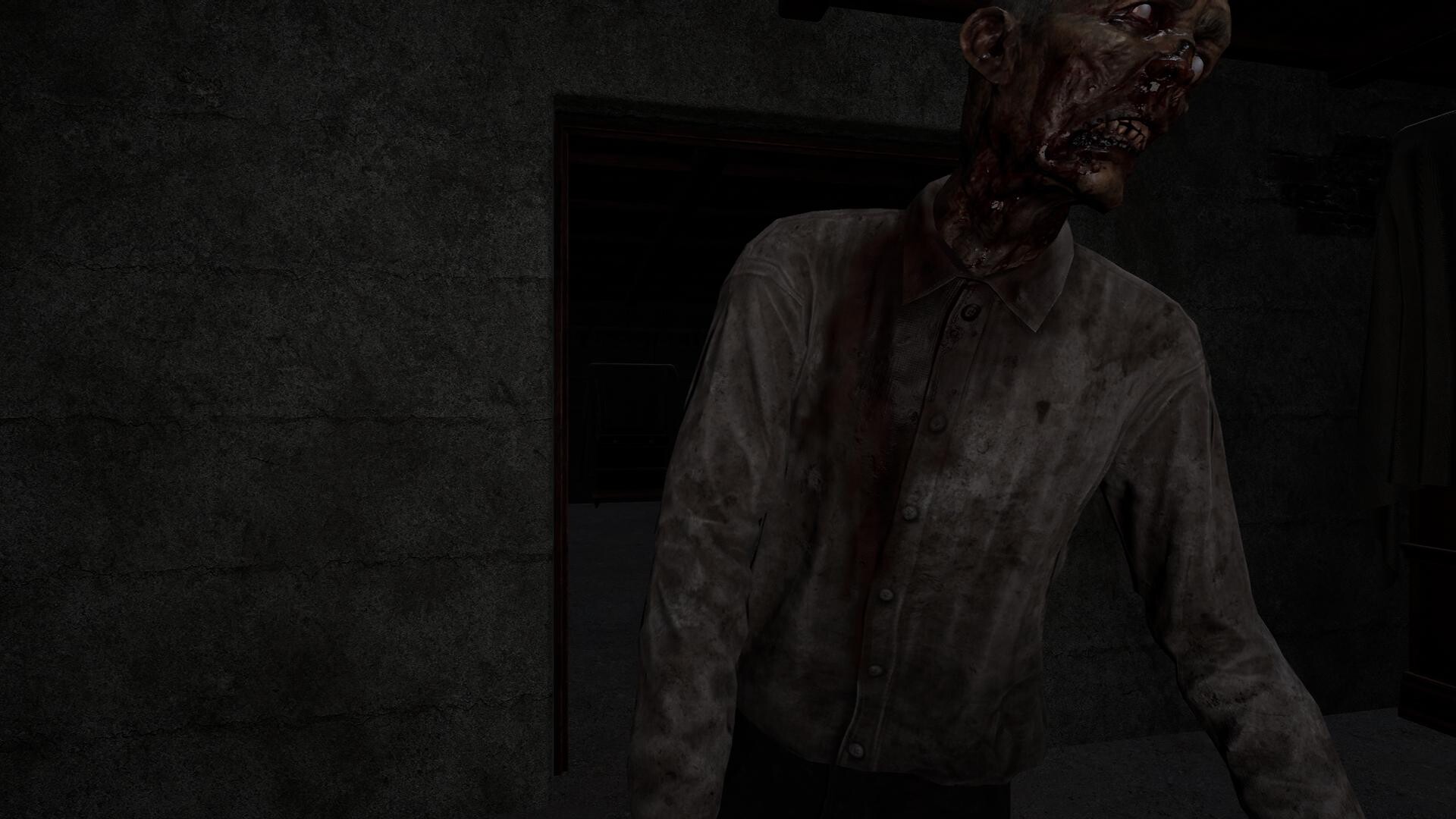
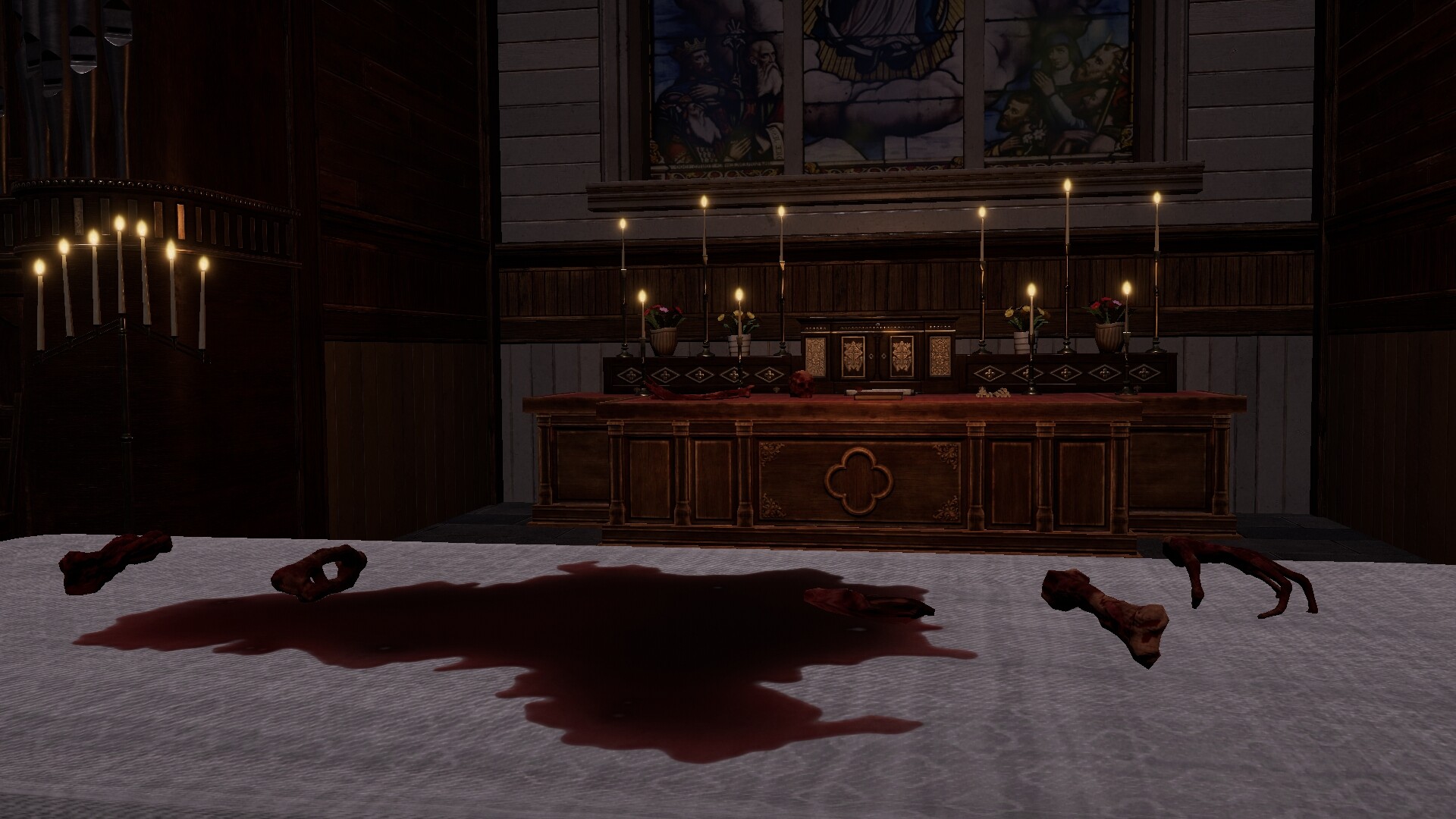
Who should wishlist Trace of the Villa?
- Players who value atmospheric mystery adventure and slow-burn suspense over combat-centric pacing.
- Fans of environmental storytelling and narrative puzzle design — those who enjoy piecing together timelines from documents, manifests, and subtle set dressing.
- Accessibility-minded players — Steam categories list Playable without Timed Input, Subtitle Options, Color Alternatives, and Custom Volume Controls.
- Single‑player investigators who prefer deliberate uncovering of evidence to action-focused score runs.
Concrete player scenarios
Scenario A — The methodical detective
You like to catalog items, annotate in-game notes, and return to earlier rooms once new systems go online. Trace of the Villa’s power-restoration loop rewards iterative investigation: a safe opens, you get half a manifest, and that fragment reframes earlier observations.
Scenario B — The environmental reader
You notice small staging details (missing photos, altered furniture) and use them as narrative clues. The mansion’s “erased” identity and falsified records, as described on Steam, give those details weight: objects are evidence rather than mere decoration.
Scenario C — Accessibility-conscious explorer
You avoid time‑pressured puzzles and want clear subtitle and control options. The Steam categories signal options that reduce barriers for players who prefer a measured pace.
How Trace of the Villa compares to similar mystery/puzzle experiences
Below is an editorial comparison on lawful criteria: genre, atmosphere, puzzle focus, exploration style, story tone, and which players will likely prefer each.
| Title | Genre / Style | Atmosphere & Story Tone | Puzzle / Exploration Focus | Best for |
|---|---|---|---|---|
| Trace of the Villa | Action / Adventure / Indie (Steam single-player) | View Trace of the Villa on Steam
YouTube discoveryFor trailer and gameplay discovery, use YouTube search rather than relying on unverified embeds: Find Trace of the Villa trailer and gameplay searches on YouTube. CommentsMore posts |
Leave a Reply