
Trace of the Villa — an escape-room‑style mystery built around power, unlocked spaces, and reconstructing evidence
Jin’s search leads to a remote, decaying mansion where restoring the estate’s power is the primary gameplay engine: throw switches, boot systems, and watch the house reveal locked compartments and encrypted fragments. Trace of the Villa (Steadyturtle Co., Ltd.) frames its investigation as a slow-burn, clue-driven reconstruction—ideal for players who prefer environmental reading and chained puzzles over timed reflex tests.

At a glance — quick facts
| Title | Trace of the Villa |
|---|---|
| Steam AppID | 3483660 |
| Release date | 28 May, 2026 |
| Developer / Publisher | Steadyturtle Co., Ltd. |
| Genres | Action, Adventure, Indie |
| Key Steam categories | Single-player; Color Alternatives; Custom Volume Controls; Playable without Timed Input; Subtitle Options; Family Sharing |
| Premise | Jin searches for his missing sister; a decaying, off-the-grid mansion yields manifests, locked systems, and hints that she may still be alive. |
Who this is for
Trace of the Villa is aimed at players who enjoy atmospheric mystery adventure on PC: people who like to read rooms, follow chains of clues, and reconstruct a timeline from fragments rather than rely on quick-time events or hang-up timers. If you favour methodical, environmental storytelling and puzzle loops that reward observational patience, this is the style of game to wishlist.
What the game is (and what it isn’t)
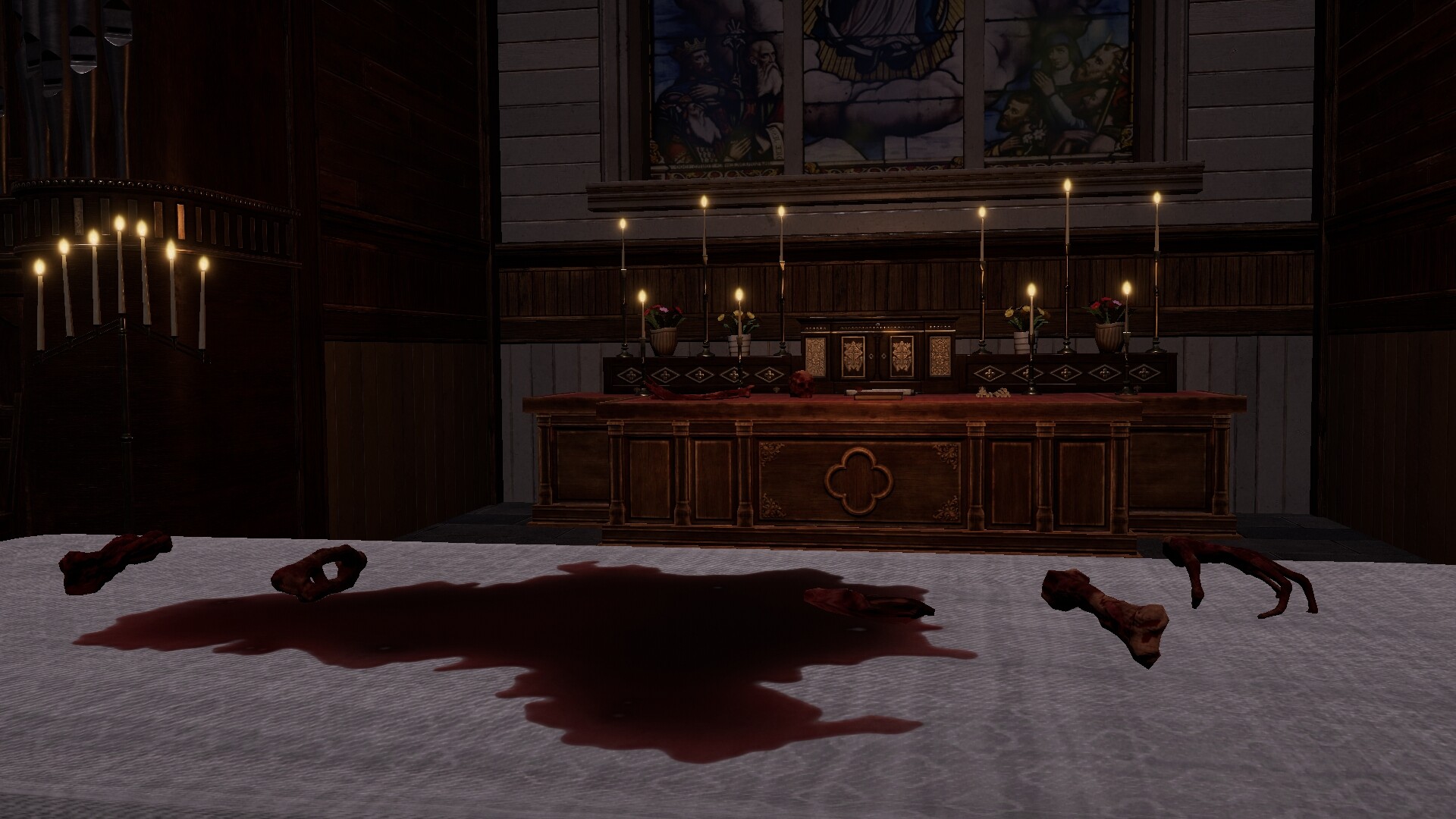
Official materials describe a decaying mansion “cut off from the grid” where Jin recovers manifests and encrypted records. Restoring power is a literal and structural mechanic: bringing systems back online unlocks safes, reveals hidden compartments, and makes secured devices yield pieces of a broader financial and identity-based puzzle. It reads like an escape-room motif stretched across interconnected rooms and systems rather than isolated one-off puzzles.

When and where — Steam specifics
Trace of the Villa is available on Steam with a release date of 28 May, 2026. It’s presented as a single-player PC experience with accessibility options such as color alternatives, subtitle options, and controls that avoid timed inputs—details that help signal a slower, read-and-think approach to puzzle solving.
Why the power-and-unlock loop matters
The decision to center progression on restoring electricity and reactivating systems changes how rooms are read. Instead of each locked door being a self-contained riddle, rooms behave like modules in a network: flipping a breaker in one wing can reveal clues in another, security cameras reboot to reveal prior movements, and safes disclose encrypted fragments that only make sense when combined. That chaining encourages players to think in cause-and-effect across space and time—closer to crime-scene reconstruction than a series of discrete escape boxes.
How you read clues and progress
Progression is investigative and sequential. You gather manifests, examine suspicious transfer records and encrypted documents, then assemble them into a timeline. Restoring power is both literal gating (locked systems come back online) and narrative gating (more of the house’s operation and the movements of unrecorded arrivals become visible). Expect to alternate between close object examination, cross-referencing discovered documents, and changing the environment (switches, breakers, terminals) to open new lines of inquiry.
Player scenarios — who will enjoy Trace of the Villa
- You like slow-burn mansion mysteries: You prefer atmosphere, layered clues, and a sense of discovery over combat or timed pressure. The game’s no-timed-input accessibility supports methodical play.
- You enjoy environmental forensics: If you lean toward piecing together timelines from physical evidence—manifests, transfer records, and reactivated systems—this design will reward patient synthesis.
- You’re a puzzle‑lover who wants networked puzzles: Rather than stand-alone mechanical puzzles, Trace of the Villa’s design ties rooms together through power, systems, and documents.
- You prefer single-player narrative investigation on PC: The Steam page lists this as a single-player indie experience with options like subtitles and color alternatives.
How it compares — editorial discovery
Below is a concise comparison that highlights where Trace of the Villa sits among other mystery and puzzle titles. This is an editorial, criteria-based look at genre, atmosphere, puzzle focus, and pacing to help readers decide if it matches their tastes.
| Game | Genre / Core focus | Atmosphere & tone | Puzzle focus | Player fit |
|---|---|---|---|---|
| Trace of the Villa | Action / Adventure / Indie | Decaying, slow-burn mansion mystery; investigative | Networked, power-unlock systems and document reconstruction | Players who like environmental storytelling and chained clue solving |
| The Room | Adventure / Indie | Secluded, cryptic cabinet-and-safe atmosphere | Intricate mechanical puzzles centered on single-object exploration | Fans of tactile puzzle boxes and focused object-based solves |
| The Room Two | Adventure / Indie | Cryptic, exploratory—moves beyond a single room into broader locales | Puzzle-box progression across multiple interconnected setpieces | Players who like linear but atmospheric puzzle sequences |
| Escape Simulator | Adventure / Casual / Indie | Playful, interactive escape-room environments | Highly interactive object manipulation and community rooms | Those who enjoy sandbox-like exploration and co-op puzzle solving |
| Hi‑Fi RUSH | Action | High-energy, music-driven tone | Rhythm/action systems rather than environmental puzzle chains | Action players who prioritise timing and musical sync over investigation |
Where to look for more — trailer and discoverySteam page
View Trace of the Villa on Steam
YouTube discovery
For trailer and gameplay discovery, use YouTube search rather than relying on unverified embeds: Find Trace of the Villa trailer and gameplay searches on YouTube.
Leave a Reply