
Trace of the Villa — an escape-room style mystery built around power, locks, and evidence
Trace of the Villa casts you as Jin, a brother whose years-long search for a missing sister leads to a remote, deliberately forgotten mansion; restoring the estate’s systems becomes the primary tool for peeling back layers of concealment. The game stitches locked-room thinking, chainable clues, and environmental reading into a steady loop where power, access, and paperwork each unlock narrative beats.

Who this is for
If you prefer atmospheric mystery adventure and story-rich exploration over twitch reflexes, Trace of the Villa is positioned for you. The Steam page lists it under Action, Adventure, and Indie but the core appeal — per the official description — is slow-burn suspense, environmental storytelling, and piecing together a trail of manifests and encrypted fragments rather than combat or leaderboard play. The game supports single-player, subtitle options, color alternatives, and is playable without timed input, which suits contemplative puzzle players and accessibility-minded audiences.
What the game actually is
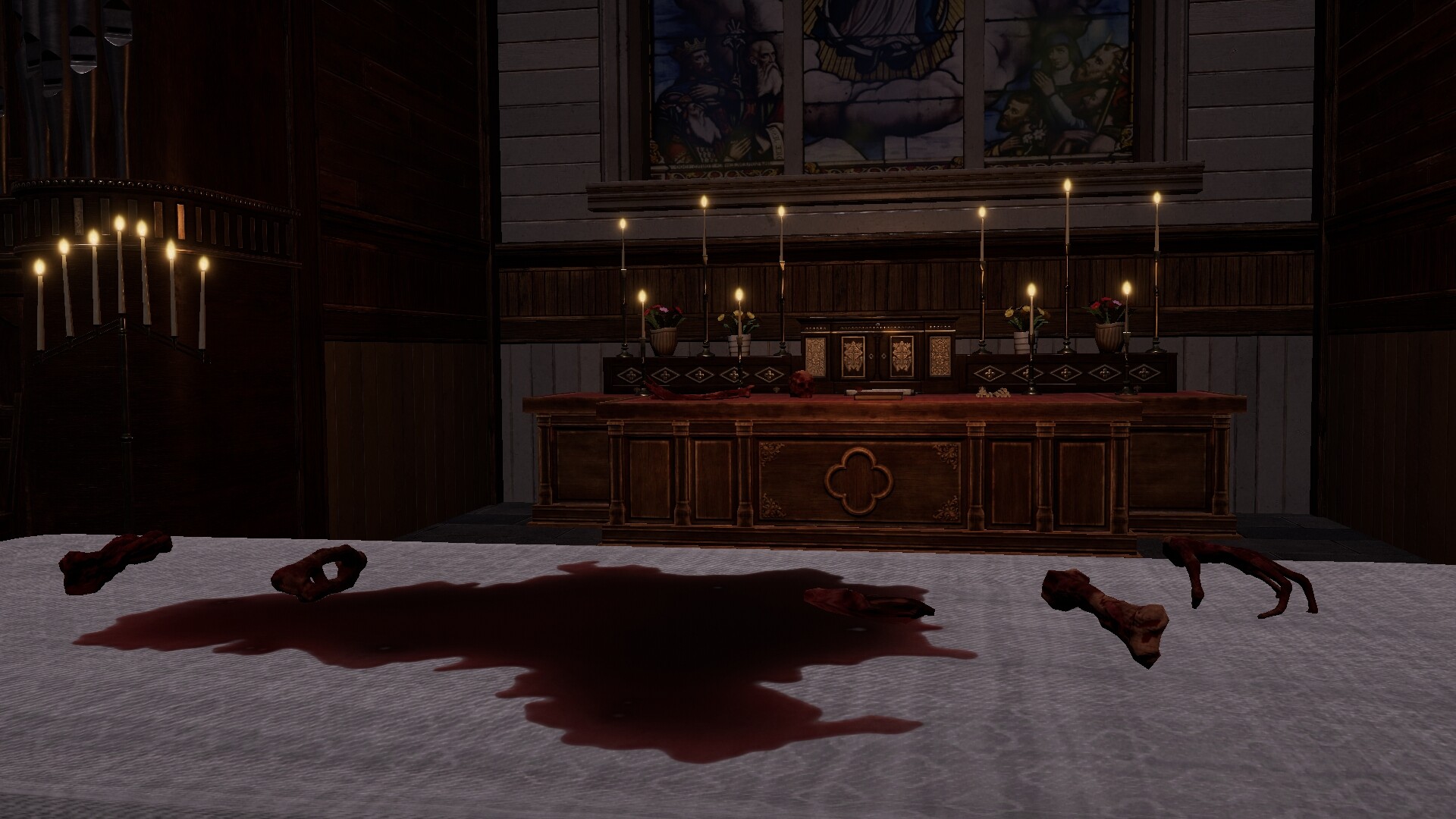
Trace of the Villa centers on Jin’s investigation of a decaying mansion cut off from the grid. Official text on Steam explains the estate feels “less abandoned than erased”: rooms furnished as if occupants vanished mid-routine, locked doors hiding secured secrets, and personal items with erased identities. The principal mechanic highlighted in the official description is restoring power — when Jin brings systems back online, secured systems, hidden compartments, and safes begin to reveal fragments of encrypted documents, suspicious transfer records, and other traces that map onto a larger, carefully concealed operation.
When and where
Trace of the Villa released on Steam on 28 May, 2026. It is published and developed by Steadyturtle Co., Ltd. and available through its Steam store page.
Why the theme matters — power as investigation tool
Using power restoration as a central gameplay loop reframes the classic locked-room puzzle: instead of simply finding keys, players prioritize reactivating infrastructure to make the environment speak. That shift changes puzzle design and pacing — you’re not only solving isolated riddles, you’re sequencing systems so later clues become readable. The official description emphasizes fragments of encrypted documents, falsified identities, and financial traces; those elements reward methodical note-taking and connecting discrete strands into chainable hypotheses about who passed through the house and why.
How you read clues and progress
Trace of the Villa privileges environmental reading and chained discoveries. Typical progression, per the Steam description, looks like this: restore power to an area → secured systems come back online → hidden compartments or safes unlock → discover manifests, transfer records, or encrypted fragments → use those artifacts to find new access points or to decrypt further clues. That loop supports locked-room thinking (how did someone enter/exit?), clue-chain logic (this document suggests another room to check), and forensic reconstruction (reassembling timelines from receipts, manifests, and logs).
Player scenarios — who will get the most from it
- Slow-burn explorers: Players who enjoy gradually unfolding mysteries and spending time reading documents and comparing fragments will appreciate the pacing and the emphasis on reconstructing evidence.
- Puzzle tacticians: If you like sequencing problems (reactivate A so B begins to function and exposes C), the restore-power/unlock-rooms loop delivers that satisfaction repeatedly.
- Story-first investigators: Players drawn to psychological investigation and atmospheric mansion mysteries — where tone and implication matter almost as much as explicit answers — will find the official premise appealing.
- Accessibility-minded players: Steam-catalog categories list subtitle options, color alternatives, custom volume controls, and “playable without timed input,” making the game friendly to players who need or prefer reduced pressure.

Quick facts
| Title | Trace of the Villa |
|---|---|
| Steam App ID | 3483660 |
| Developer / Publisher | Steadyturtle Co., Ltd. |
| Release date | 28 May, 2026 |
| Genres | Action, Adventure, Indie |
| Notable Steam categories / features | Single-player; Color Alternatives; Custom Volume Controls; Playable without Timed Input; Subtitle Options; Family Sharing |
How it compares — short editorial table
Below is a compact editorial comparison focused on genre, atmosphere, puzzle focus, exploration style, story tone, and player fit.
| Title | Release | Genre / Atmosphere | Puzzle focus | Exploration style | Player fit |
|---|---|---|---|---|---|
| Trace of the Villa | 28 May, 2026 | Action / Adventure / Indie — mansion mystery, slow-burn suspense | Power-system sequencing, locked compartments, document chains | Environmental reading; progressive unlocking as systems restore | Players who like narrative puzzles, forensic reconstruction, and accessible, untimed exploration |
| The Room | 28 Jul, 2014 | Adventure / Indie — intimate mechanical puzzles, claustrophobic atmosphere | Mechanical safes and tactile puzzle boxes | Focused single-room, handcrafted puzzle objects | Players who prefer tactile, object-based puzzles and short, intense sessions |
| The Room Two | 5 Jul, 2016 | Adventure / Indie — expanded puzzle scope, layered mechanical environments | Object puzzles with narrative anchoring and increasing scale | Multi-room but still object-centric with a throughline | Fans of The Room who want larger, more varied mechanical challenges |
| Escape Simulator | 19 Oct, 2021 | Adventure / Casual / Indie — playful, physics-interactive escape rooms | Highly interactive rooms, item manipulation, co-op options | Room-to-room with community-made content and physics interactions | Players who enjoy sandboxy interactivity, speedruns, and community levels | Steam page
Leave a Reply