
Trace of the Villa — an escape-room mystery dressed as an action-adventure
Trace of the Villa drops you into a decaying, off-the-grid mansion where restoring power is the key that opens both doors and the story. The game mixes locked-room puzzle thinking with environmental reading and clue-chain reconstruction: flip breakers, reactivate systems, and let the estate reveal sealed compartments and fragmented evidence.

What Trace of the Villa is
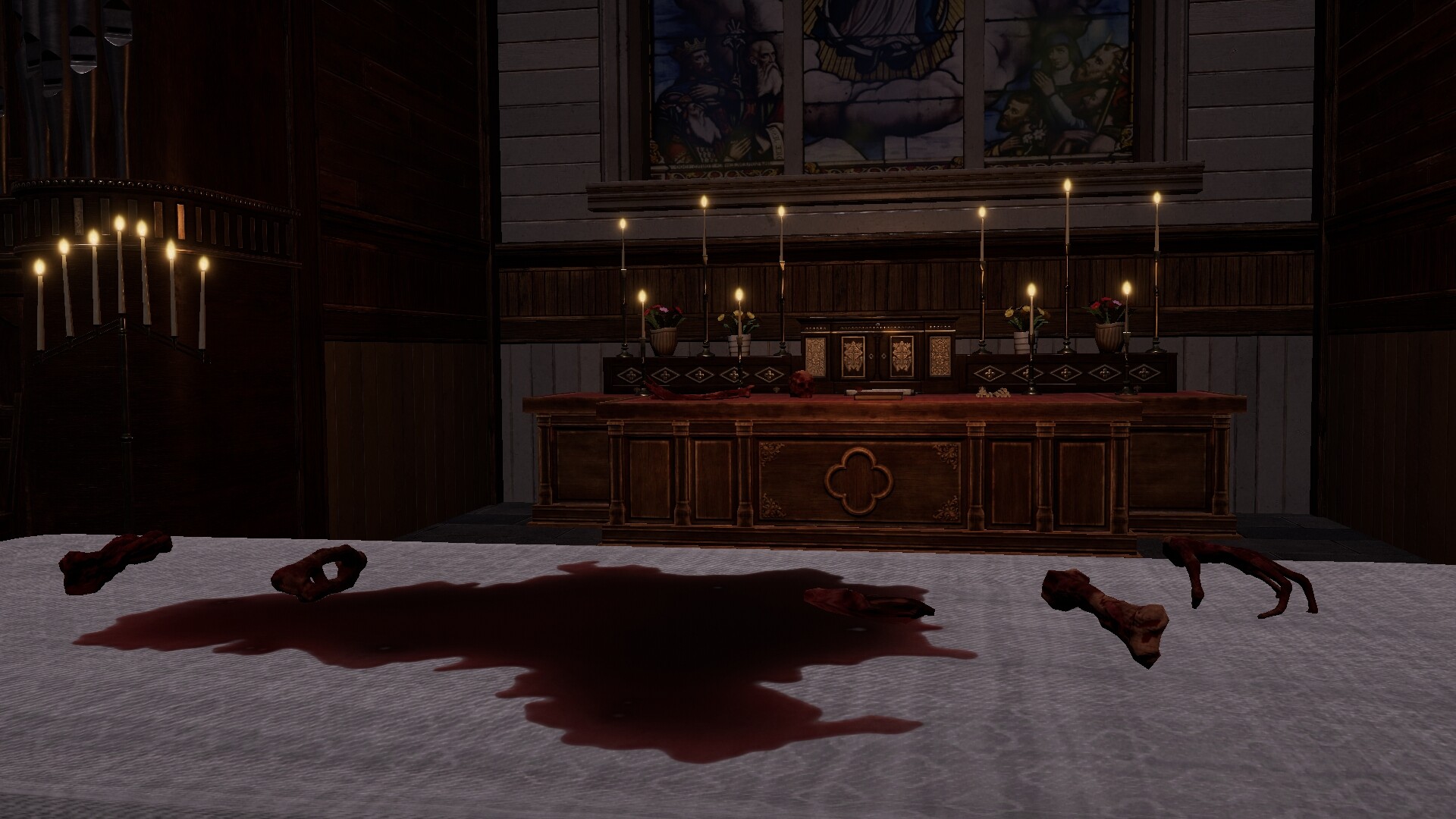
At its core, Trace of the Villa is a story-rich, atmospheric mystery adventure built around investigation and environment-led puzzles. The official premise centers on Jin, a protagonist searching for his missing sister. Leads bring him to a remote, deliberately forgotten mansion where rooms are staged as if occupants vanished mid-routine. When Jin restores power to the estate, secured systems come back online, hidden compartments unlock, and safes yield fragments of encrypted documents and suspicious transfer records — each solved puzzle revealing another layer of a concealed operation.
Quick facts
| Title | Trace of the Villa |
|---|---|
| Steam appid | 3483660 |
| Release date | 28 May, 2026 |
| Developer | Steadyturtle Co., Ltd. |
| Publisher | Steadyturtle Co., Ltd. |
| Genres | Action, Adventure, Indie |
| Notable Steam categories | Single-player; Color Alternatives; Custom Volume Controls; Playable without Timed Input; Subtitle Options; Family Sharing |
How the gameplay loop uses power, space and evidence
Gameplay is structured as a chain reaction. The estate is a collection of locked, half-forgotten spaces; the player restores power and the house responds. Systems that were inert come online and reveal new interfaces, safes, or mechanical releases. Those reveals yield fragments — manifests, encrypted documents, transfer records — that form clue chains. Each recovered fragment recalibrates your reading of a room and points toward the next locked door or disabled circuit.
This is locked-room thinking applied beyond a single puzzle: you are constantly reconstructing context. Environmental storytelling does the heavy lifting — staged rooms, missing personal identifiers, and the sense that identities were intentionally erased. The investigative beat is procedural in a narrative sense: reactivate, examine, assemble evidence, and then use that assembled picture to access the next area and deepen the mystery.

Who should wishlist this
- Players who prefer atmospheric mystery adventure with steady pacing rather than constant action — a slow-burn, investigative feel.
- Fans of locked-room puzzle design who enjoy chaining clues across rooms and systems, not just isolated riddles.
- Players who value environmental storytelling and reconstructing evidence to form a timeline and motive.
- PC players who need accessibility options: Trace of the Villa lists Color Alternatives, Custom Volume Controls, Playable without Timed Input, and Subtitle Options.
How to approach the game (editor tips)
Treat each restored circuit as both a mechanical and narrative unlock. When a system comes back online, stop and read everything: manifests, transfer records, and any fragments you can piece together. Those fragments are the connective tissue that point to which rooms become relevant next. In other words: reset your mental map constantly as new evidence changes the plausible timeline for occupants and visitors.
How it compares — curated editorial table
The table below compares Trace of the Villa to a few other mystery/puzzle titles by editorial criteria: genre, atmosphere, puzzle focus, exploration style, and pacing. These comparisons use public descriptions and are intended to help readers decide which experience matches their tastes.
| Title | Genre / Tone | Puzzle focus | Exploration style | Pacing |
|---|---|---|---|---|
| Trace of the Villa | Action / Adventure / Indie — atmospheric mansion mystery | Clue chains, system reactivation, evidence reconstruction | Single-player, environment-led, rooms unlock as systems return | Slow-burn investigative |
| The Room | Adventure / Indie — intimate, tactile mystery | Mechanical puzzles focused on enigmatic devices and safes | Single-room to multi-chamber, object examination | Focused, puzzle-driven sessions |
| The Room Two | Adventure / Indie — cryptic and immersive | Elaborate mechanical puzzles and layered devices | Series of interconnected scenes with escalating complexity | Deliberate, progressively intricate |
| Escape Simulator | Adventure / Casual / Indie — highly interactive escape rooms | Physical interactions, item manipulation, community rooms | Room-based puzzles, editor and community content | Variable — from short room runs to long custom scenarios |
| Hi-Fi RUSH | Action — rhythm-driven, high-energy combat & pace | Combat-mechanics and rhythm timing, not investigative puzzles | Action-exploration with upbeat tone | Fast, kinetic |
Where to watch and preview
If you want trailers or gameplay clips, use the YouTube search path below. This will surface trailers and community videos without implying any specific video is the official publisher upload:
Where and how to buy on Steam
Trace of the Villa is available on Steam. Release date: 28 May, 2026. Developer and publisher: Steadyturtle Co., Ltd. Use the link below to view the store page or add it to your wishlist.
Leave a Reply