
Trace of the Villa — an escape-room style mystery built around power, access, and evidence
Jin arrives at a remote, decaying mansion chasing the last lead in his search for a missing sister; when he restores the estate’s power, sealed systems and hidden compartments begin to reveal a carefully erased history. Trace of the Villa (Steadyturtle Co., Ltd.) is a story-rich, atmospheric mystery adventure that stages its puzzles around turning systems back on, unlocking spaces, and piecing together fragments of evidence.

| Title | Trace of the Villa |
|---|---|
| Developer / Publisher | Steadyturtle Co., Ltd. |
| Release date | 28 May, 2026 |
| Genres | Action, Adventure, Indie |
| Steam categories | Single-player; Color Alternatives; Custom Volume Controls; Playable without Timed Input; Subtitle Options; Family Sharing |
| Steam page | Trace of the Villa on Steam |
Who should wishlist this
If you gravitate toward slow-burn suspense, environmental storytelling, and puzzle design that reads like an escape-room in a mansion, Trace of the Villa is aimed at you. Players who value clue-driven exploration, reconstructing timelines from fragments, and the satisfaction of opening a locked door only to find another rung of mystery will likely get the most out of Jin’s investigation.
What the game is (concise)
Trace of the Villa casts the player as Jin, a protagonist searching for his missing sister inside an isolated estate “cut off from the grid and deliberately forgotten.” The mansion’s staged emptiness—furnished rooms with identities erased—sets up investigation mechanics where power restoration is a narrative and mechanical pivot: restore electricity, watch secured systems boot, unlock hidden compartments, and collect fragments of encrypted records and transfer manifests.
When and where — Steam / PC context
Trace of the Villa released on 28 May, 2026 and appears on Steam as a PC release. The Steam store lists developer and publisher as Steadyturtle Co., Ltd. and identifies the game in Action / Adventure / Indie categories with the single-player and accessibility options noted above.
Why this theme matters: locked-room thinking and narrative stakes
Locked-room thinking in mystery games is about limited spaces, constrained evidence, and chains of inference that force players to read environments like case files. In Trace of the Villa the theme is literal: the mansion was “part of something larger” and identities seem intentionally removed. That design encourages forensic play—cataloguing what’s present, noting what’s absent, and tying that to how secured systems and safes reveal later layers of narrative when power and access change.
How the gameplay loop uses power, keys, and reconstruction
The official description makes the loop clear: power restoration is the lever that moves the mystery forward. Restoring electricity brings secured systems back online, which in turn opens new puzzles (locked panels, safes, encrypted fragments). Those items provide manifests and suspicious transfer records that feed into the next clue chain. Mechanically, this is a three-part rhythm: restore systems → unlock spaces → reconstruct evidence. It keeps the player moving between environmental reading and active problem-solving rather than relying on simple fetch quests.
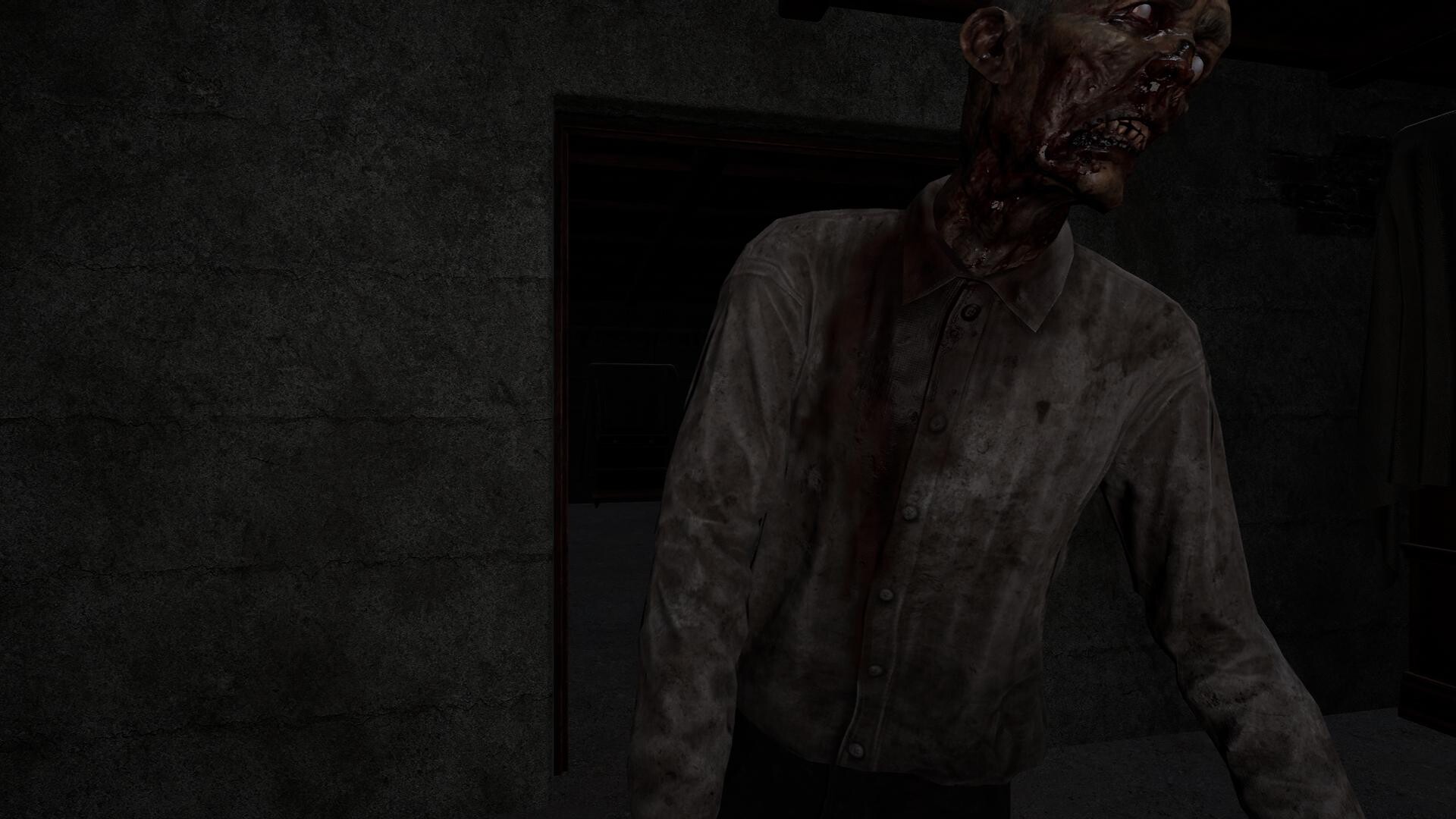
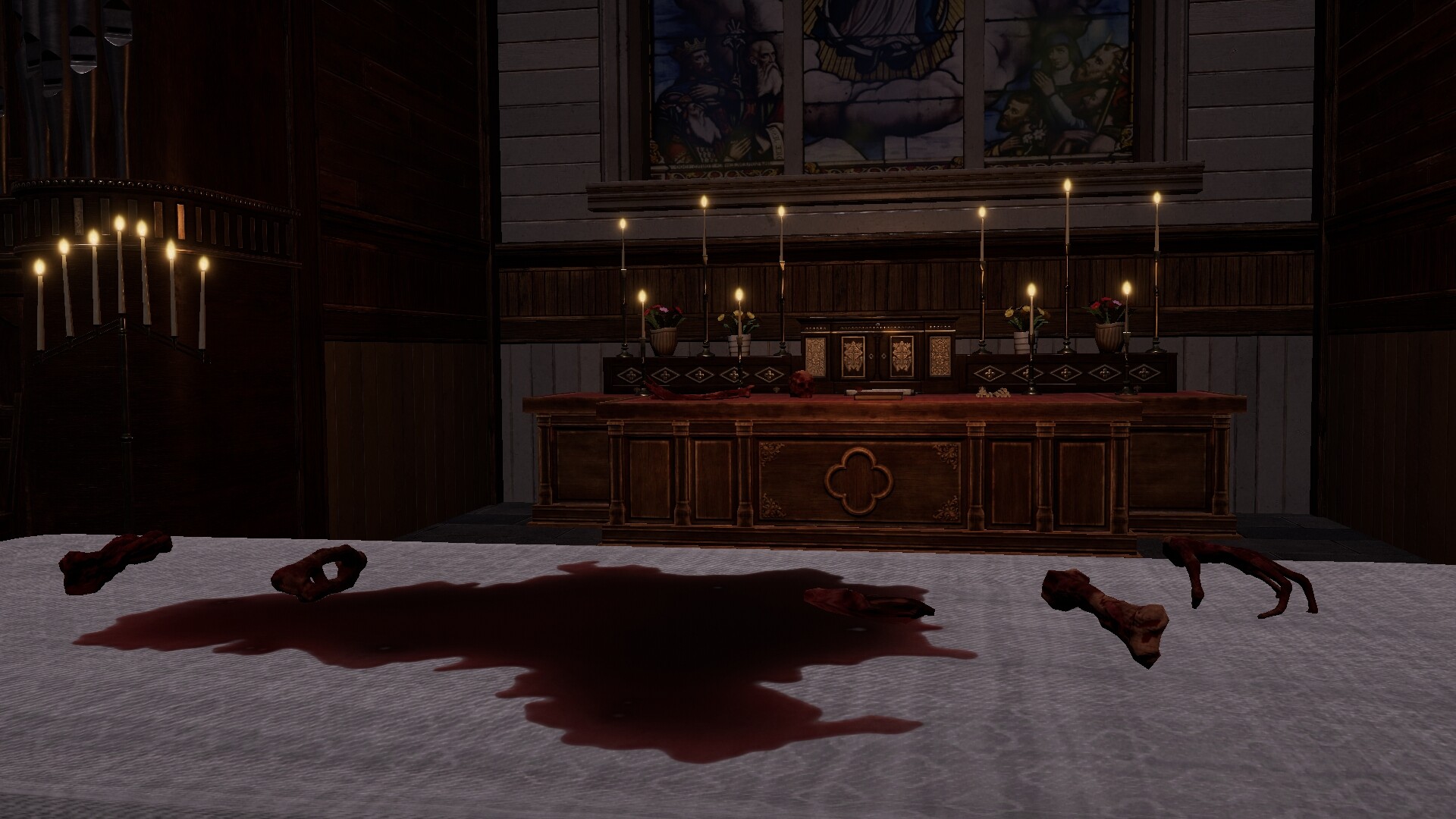
Player scenarios — who will enjoy specific moments
- The methodical detective: You like making lists, mapping rooms, and connecting small details into a chain of evidence. The power-restoration loop supplies a steady stream of interrogable artifacts.
- The atmospheric explorer: You prioritize tone and setting—mansion interiors, erased identities, and slow reveals are the draw more than twitch reflexes. Trace of the Villa’s single-player focus and options like subtitles and color alternatives support that.
- The clue-chainer: You enjoy puzzles whose solutions feed directly into the narrative. Safes and secured systems that yield partial documents reward careful cross-referencing rather than brute force solutions.
How it compares to nearby mystery/puzzle games
Below is a compact editorial comparison on lawful criteria: genre, atmosphere, puzzle focus, exploration style, story tone, pacing, and the kind of player each tends to suit.
| Title | Release | Puzzle focus | Exploration style | Story tone / pacing | Player fit |
|---|---|---|---|---|---|
| Trace of the Villa | 28 May, 2026 | Clue chains unlocked by restoring power, safes, encrypted fragments | Single mansion, focused environmental reading | Atmospheric, slow-burn, investigative | Players who want narrative puzzles and forensic play |
| The Room | 28 Jul, 2014 | Mechanical object puzzles (safes, boxes) |
YouTube discoveryFor trailer and gameplay discovery, use YouTube search rather than relying on unverified embeds: Find Trace of the Villa trailer and gameplay searches on YouTube. Reader decision checklistUse this checklist before deciding whether Trace of the Villa belongs on your Steam wishlist. The game is most relevant if you enjoy reading environmental evidence, following document trails, inspecting rooms for small inconsistencies, and letting a mystery unfold through objects rather than exposition. It is less about instant spectacle and more about the slow pressure of a place that seems to have been deliberately erased. SEO note for discovery-minded playersPlayers searching for atmospheric mystery adventure, clue-driven exploration, mansion mystery game, story-rich indie adventure, psychological investigation game, or narrative puzzle design are likely looking for the same core appeal: a PC game where the setting is not just a backdrop but the main source of evidence. Trace of the Villa fits that search intent because its official Steam premise centers on Jin, his missing sister, a remote mansion, restored systems, hidden compartments, safes, encrypted documents, and a trail of suspicious records. Final player-fit summaryWishlist Trace of the Villa if you want a slow investigation built around official Steam store elements: a 28 May, 2026 release from Steadyturtle Co., Ltd., a single-player PC/Steam mystery structure, official screenshots showing the mansion atmosphere, and a premise that uses the house itself as a puzzle box. The strongest fit is for players who prefer patience, observation, and narrative reconstruction over fast combat or loud horror beats. CommentsMore posts |
Leave a Reply