
Trace of the Villa — an escape-room style mystery built on power, locks, and pieces of truth
Trace of the Villa tasks you with piecing a fragmented history back together: Jin follows clues through a decaying, off-the-grid mansion where restoring power literally and figuratively reveals the next locked space and the next piece of evidence. It’s a slow-burn, clue-driven exploration that turns environmental reading and chained puzzles into the primary means of investigation.

Quick facts
| Title | Trace of the Villa |
|---|---|
| Release date | 28 May, 2026 |
| Developer / Publisher | Steadyturtle Co., Ltd. |
| Genres | Action, Adventure, Indie |
| Steam categories | Single-player; Color Alternatives; Custom Volume Controls; Playable without Timed Input; Subtitle Options; Family Sharing |
| Steam page | Trace of the Villa on Steam |
Who is this for?
Trace of the Villa will land best with players who prefer investigative pacing over constant action: people who enjoy locked-room thinking, layered clue chains, and piecing narrative from surroundings. If you like reading the arrangement of an abandoned room as a story — noticing where electricity used to run, what safes and locked cabinets once protected, and how financial ledgers can serve as evidence — this is targeted at you. It also suits solo players who want accessibility options (color alternatives, subtitle support) and do not need timed inputs driving puzzles.
What the game is
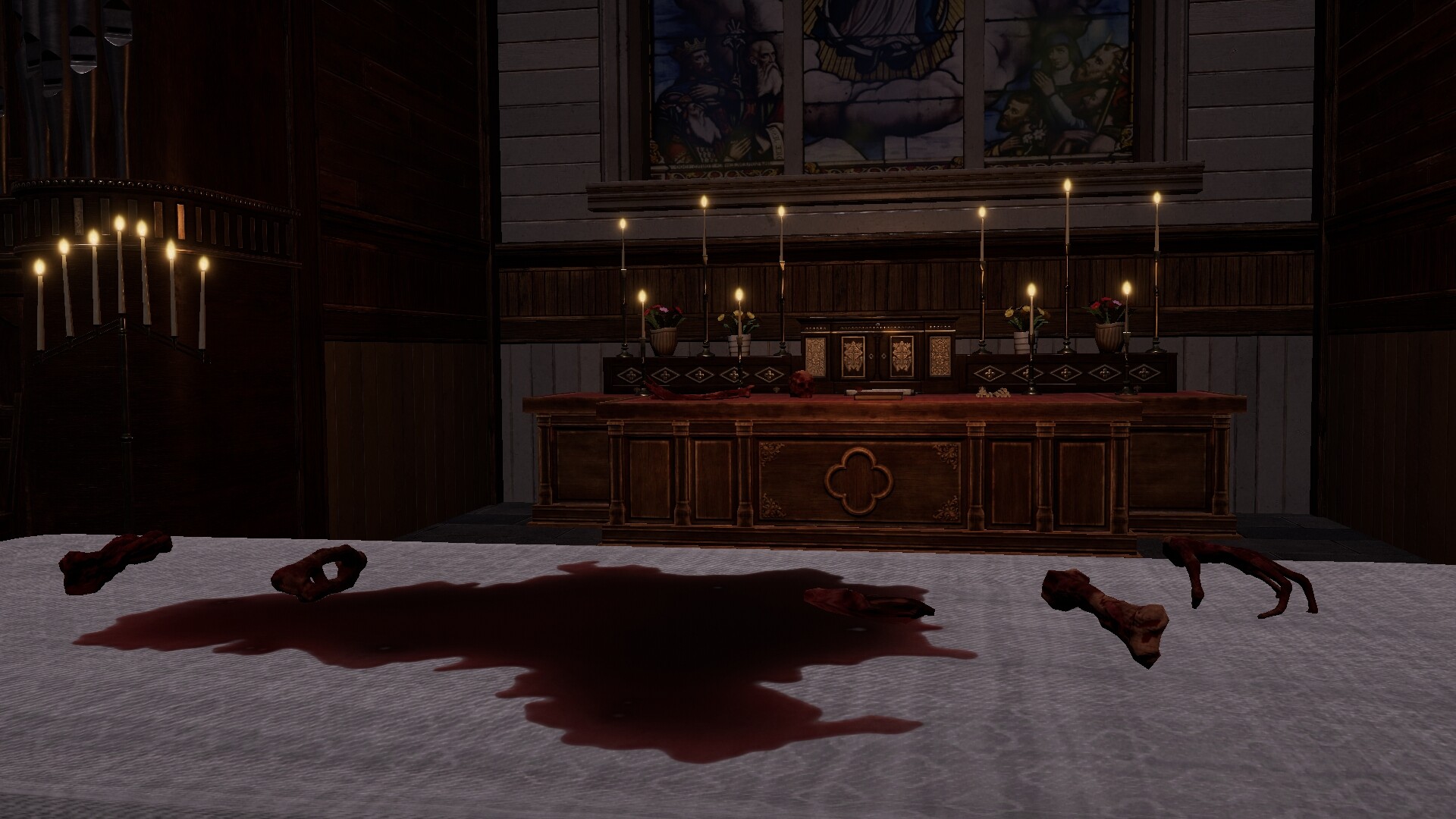
According to the official Steam description, you play as Jin, a man who has spent years searching for his missing sister. A lead brings him to a remote, decaying mansion cut off from the grid. The mansion’s rooms appear preserved, but identities seem erased: no names, no photographs, locked doors and secured systems that hide fragments of a larger operation.

When and where
Trace of the Villa released 28 May, 2026 and is listed on Steam; the developer and publisher are Steadyturtle Co., Ltd. The Steam page lists the game’s core genres, accessibility categories, and single-player orientation.
Why the theme matters
Thematically, the mansion operates as a system that has been intentionally silenced: cutting power has been used as a form of concealment, and restoring it becomes both a mechanical and narrative pivot. That dynamic — flipping circuits to open narrative pathways — ties environmental storytelling directly to progression. For players who value atmosphere and the sense that each unlocked room actually changes what you can inspect and what the story will admit, that design choice makes the investigative loop feel consequential.
How progression and the core gameplay loop work
The Steam description lays out the central loop plainly: when Jin restores power to the estate, secured systems come back online, hidden compartments unlock, and safes yield fragments of encrypted documents and suspicious transfer records. Each solved puzzle unlocks another layer — not just of the house’s layout, but of its paper trail: falsified identities, financial movements that lead nowhere, and a timeline of arrivals and departures without witnesses. Practically speaking, progression alternates between environmental reading (what the room’s state implies), mechanical restoration (power, systems), and forensic reconstruction (assembling evidence and timelines).
Player scenarios — who should wishlist this
- Locked-room thinkers: You enjoy deducing sequences from isolated puzzles and seeing doors open as a direct result of your logic.
- Environmental readers: You prefer puzzles that reward observation of arrangement, lighting, and subtle set dressing rather than brute-force codes.
- Slow-burn narrative fans: If you like story unspooling through assembled evidence and recovered documents instead of cutscenes, the mansion’s paper trail will appeal.
- Accessibility-minded solo players: The Steam categories note subtitle support, color alternatives, and no timed input as options.
How it compares to nearby mystery and puzzle titles
Below is a compact editorial comparison on lawful criteria — genre, atmosphere, puzzle focus, exploration style, story tone, and pacing. This is discovery-oriented, not a claim of superiority.
| Game | Core focus | Puzzle style | Atmosphere / Tone | Best for |
|---|---|---|---|---|
| Trace of the Villa | Clue-driven investigation within a decaying mansion | Environmental puzzles, power/system restoration, evidence reconstruction | Slow-burn, melancholic, forensic | Players who want narrative progression tied to unlocking spaces and documents |
| The Room | Singular contained puzzle box exploration | Mechanical safes and tactile puzzle boxes | Mysterious, intimate, tactile | Players who like tight, handcrafted puzzle objects |
| The Room Two | Expanded, atmospheric puzzle-object exploration | Chained mechanical puzzles across interlinked scenes | Cryptic, eerie, layered | Those who enjoyed the first and want more elaborate puzzle chaining |
| Escape Simulator | Highly interactive escape rooms with physics interactions | Item use, environmental manipulation, community-made rooms | Varied — from lighthearted to tense, depending on room | Players looking for interactive toy-like puzzles and co-op options |
| Hi-Fi RUSH | Action game that syncs gameplay to music | Rhythm-driven combat and traversal (not investigative puzzles) | High-energy, stylized, upbeat | Players after action and rhythm mechanics rather than environmental mystery |
YouTube discovery
Want to see trailers or gameplay clips? Use this YouTube search path to find Trace of the Villa trailers and playthroughs (search results may include trailers, developer videos, or community footage): Trace of the Villa — YouTube search.
Steam page and wishlist: Add Trace of the Villa to your Steam wishlist.
Disclaimer: referenced titles and trademarks belong to their respective owners. Comparisons here are editorial discovery only and based on genre, tone, puzzle focus, exploration style, and pacing.
Leave a Reply