
Trace of the Villa — an escape-room style mystery built around power, locks, and stitched-together evidence
Trace of the Villa is a story-rich atmospheric mystery adventure in which Jin follows fractured manifests and hints into an isolated, decaying mansion — restoring systems, unlocking sealed spaces, and reconstructing a trail of missing identities. Released on 28 May, 2026 by Steadyturtle Co., Ltd., the game threads locked-room puzzle logic into a slow-burn psychological investigation where environmental reading and clue chains drive progression.

| Title | Trace of the Villa |
|---|---|
| Steam AppID | 3483660 |
| Release date | 28 May, 2026 |
| Developer / Publisher | Steadyturtle Co., Ltd. |
| Genres | Action, Adventure, Indie |
| Steam categories | Single-player; Color Alternatives; Custom Volume Controls; Playable without Timed Input; Subtitle Options; Family Sharing |
What the game actually is
Trace of the Villa places you in Jin’s shoes: a private investigator whose years-long search for a missing sister leads to a mansion that seems deliberately erased from recent records. According to the official Steam description, the estate is “cut off from the grid,” and restoring power is a literal gameplay mechanic that reanimates systems, opens secured compartments, and reveals encrypted fragments and suspicious transactions. The interplay of powering systems and reading the environment is the core loop: switch a circuit back on, watch a locked system respond, then read the new evidence to follow the next lead.
Who this fits (player profile)
Trace of the Villa will appeal to players who favor environmental storytelling and methodical, clue-driven exploration rather than twitch reflexes. Ideal players include:
- Those who enjoy escape-room logic — chaining a handful of interdependent clues to access a sealed area.
- Players who prefer slow-burn suspense and piecing together timelines from fragments (manifests, encrypted documents, transfer records) rather than receiving exposition outright.
- Explorers who like tactile interactions — restoring power and watching the house change — and then reading the changed environment for fresh clues.
- Anyone who values accessibility options listed on the Steam page (color alternatives, subtitles, custom volume) and a single-player, non-time-pressured flow.
When and where to buy / try
Trace of the Villa is available on Steam with a release date listed as 28 May, 2026. The Steam page shows the official artwork, screenshots, and the platform categories that clarify it’s a single-player PC experience with accessibility and subtitle options.
Why the theme — power, locks, and erased identity — matters
Restoring power as a progression mechanic is an elegant fit for an erased mansion: it’s a physical action with narrative consequence. When systems come back online, the house stops being a static tableau and becomes a reactive environment. That reactivity validates the investigative loop — you do something tangible (flip a breaker, boot a terminal), the space yields new information, and the clue chain continues. Thematically, it underlines the idea that identity and records have been deliberately suppressed; regaining access equates to reclaiming a hidden history.
How you read clues and progress
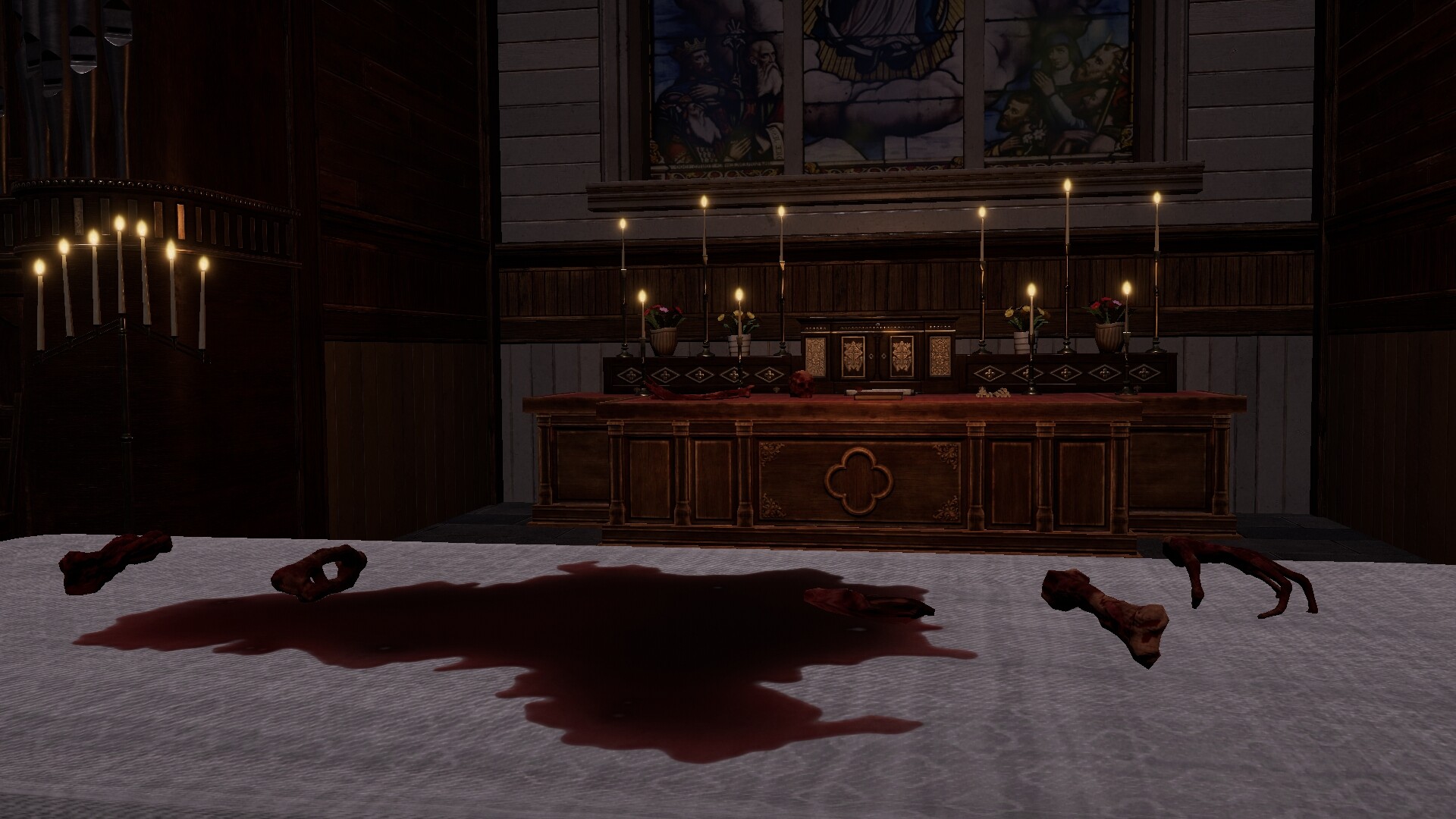
Progression in Trace of the Villa centers on environmental reading and chained problem-solving. The official description emphasizes manifests, encrypted documents, transfer records, and locked doors: pieces that must be correlated to form timelines and expose patterns such as “arrivals without records” or “departures without witnesses.” Mechanically, expect to flip circuits, unlock safes or compartments that yield fragments, then cross-reference those fragments to advance. That’s classic locked-room thinking applied at the mansion scale: each unlocked space supplies new data for the next lock.

Specific player scenarios
- The methodical reader: You like to catalog items, jot down dates and names, and work through evidence step by step. Trace of the Villa’s manifests and encrypted fragments fit that workflow.
- The systems player: You enjoy interacting with in-game systems (power, terminals, safes) and seeing the environment change as a result. The game’s power-restoration loop rewards that habit.
- The mood seeker: You prioritize atmosphere and slow-burn tension over fast combat. The mansion’s sense of erased identity and rooms frozen mid-routine serve that taste.
- The comparative puzzler: If you like escape-room design but want it embedded in a narrative investigation, this game puts locked-room thinking inside a detective arc rather than isolated puzzle boxes.
How it compares to nearby puzzle/mystery titles
Below is a focused editorial comparison on lawful criteria: genre, atmosphere, puzzle focus, exploration style, story tone, and pacing. This is editorial discovery, not a claim of superiority.
| Title | Release | Puzzle focus | Atmosphere & pacing | Exploration style |
|---|---|---|---|---|
| Trace of the Villa | 28 May, 2026 | Clue chains, power-restoration, document reconstruction | Slow-burn, psychological, mansion mystery | Narrative-led, environmental reading, sealed spaces reopen as you progress |
The Room
Steam pageView Trace of the Villa on Steam YouTube discoveryFor trailer and gameplay discovery, use YouTube search rather than relying on unverified embeds: Find Trace of the Villa trailer and gameplay searches on YouTube. CommentsMore posts |
Leave a Reply