
Trace of the Villa — a mansion mystery built around restoring power, unlocking spaces, and reading clues
Jin arrives at a remote, decaying mansion after years of searching for his missing sister; when he restores power to the estate, the house begins to reveal what it was hiding. Trace of the Villa stitches locked-room thinking, clue chains, and environmental reading into a gameplay loop that turns recovered systems and unlocked compartments into the engine of investigation.

Who this is for
Players who enjoy atmospheric mystery adventure and narrative puzzle design — particularly those who prefer locked-room logic, methodical clue-chaining, and reading a space for context — should add Trace of the Villa to their Steam watchlist. The game is presented as a single-player, story-focused experience with accessibility options listed on its Steam page (Color Alternatives, Custom Volume Controls, Playable without Timed Input, Subtitle Options, Family Sharing).
What the game is
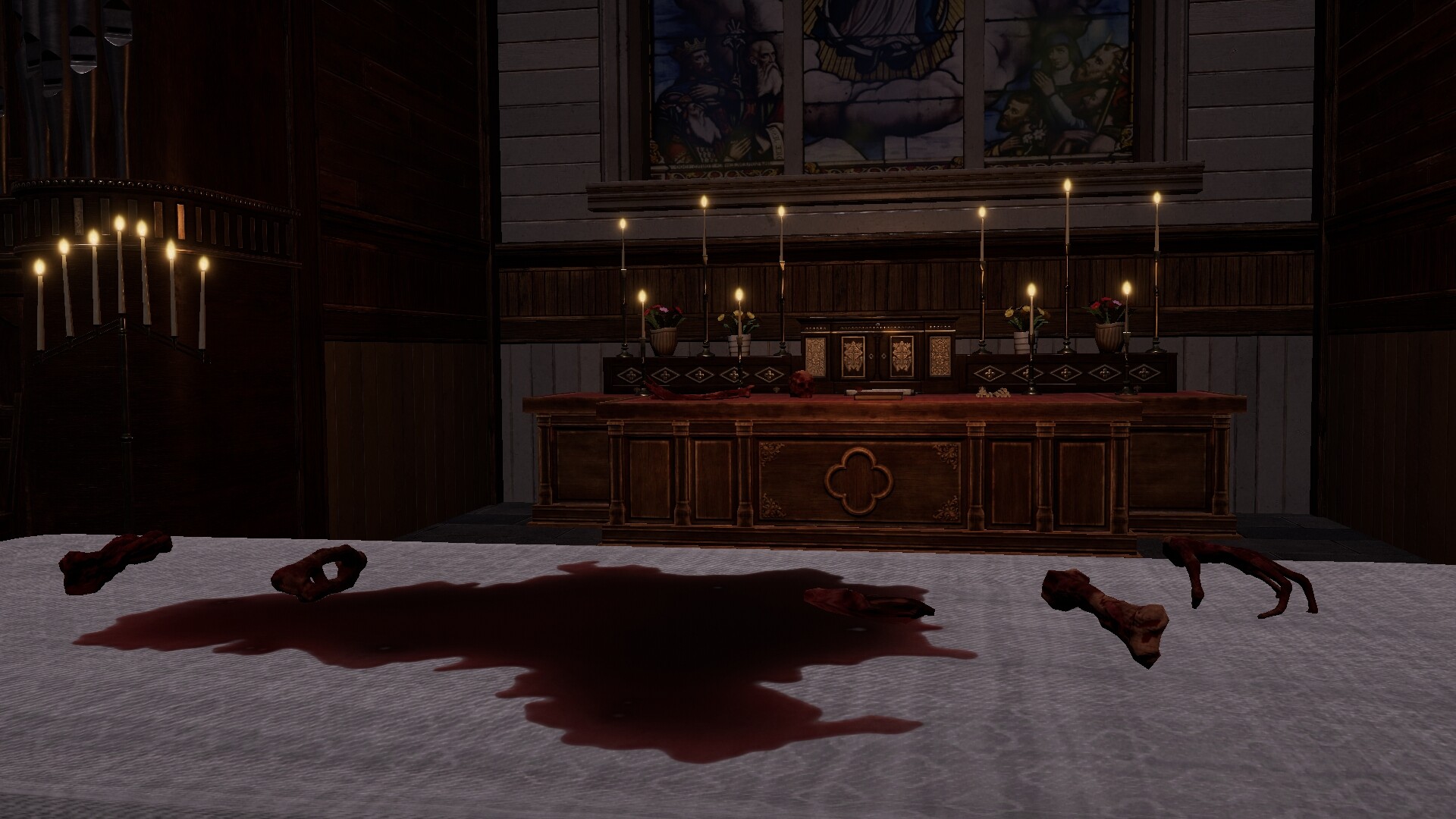
Trace of the Villa (developer/publisher: Steadyturtle Co., Ltd.; genres listed as Action, Adventure, Indie) centers on Jin’s search for his sister inside a deliberately forgotten mansion. The official Steam description frames the house as “less abandoned than erased,” with rooms “furnished as if their occupants vanished mid-routine” and “locked doors conceal hastily secured secrets.” Restoring power is a core narrative and mechanical beat: secured systems come back online, hidden compartments unlock, and safes yield fragments of encrypted documents and suspicious transfer records.
When and where
Trace of the Villa launched on Steam on 28 May, 2026. It is a Steam PC release (store listing appid 3483660). The Steam page lists developer and publisher as Steadyturtle Co., Ltd. and includes the official short description used above.

Why the theme matters
Games that hinge on power restoration and the resulting revelation of secrets offer a satisfying investigative cadence: a moment of mechanical progress (flip a breaker, boot a terminal) immediately translates into new environmental information, new puzzle apertures, and fresh narrative fragments. Trace of the Villa explicitly uses that cadence — restored power brings “secured systems” online and lets Jin access encrypted documents, transfer records, and falsified identities — which makes exploration feel cumulative rather than episodic.
How you read clues and progress
According to the official description, the progression loop is clear: restore infrastructure, unlock technology or compartments, recover fragmentary evidence, then chain those fragments into a timeline. The game’s emphasis on “safes yield fragments of encrypted documents and suspicious transfer records” and on a “timeline” that emerges as Jin pieces things together implies a clue-driven investigation where each solved lock or powered device opens the next node in a chain of inferences. That design rewards careful environmental reading — noting occupant routines, missing names and photographs, and the ways rooms were left — as much as it rewards mechanical puzzle-solving.
Quick facts
| Title | Trace of the Villa |
|---|---|
| Steam appid | 3483660 |
| Developer / Publisher | Steadyturtle Co., Ltd. |
| Release date | 28 May, 2026 |
| Genres | Action, Adventure, Indie |
| Categories | Single-player; Color Alternatives; Custom Volume Controls; Playable without Timed Input; Subtitle Options; Family Sharing |
| Official short description | Jin has spent years searching for his missing sister, pursuing leads that took him to a remote, decaying mansion where he recovered manifests and hints that indicate his sister may still be alive, somewhere at the end of the trail he is about to follow. |
How it compares (editorial discovery)
Below are nearby reference points for players choosing between different kinds of mystery and puzzle-focused games. These comparisons are editorial — not claims of superiority or endorsement.
| Title | Genre(s) | Atmosphere / Focus | Puzzle emphasis | Exploration style | Story tone / Pacing |
|---|---|---|---|---|---|
| The Room | Adventure, Indie | Locked, tactile puzzles around a single mysterious safe | Mechanical puzzle boxes and safe-opening | Focused, room-by-room inspection | Slow-burn, puzzle-led revelation |
| The Room Two | Adventure, Indie | Mystical halls and pedestal-based enigmas | Complex physical puzzles with layered mechanisms | Linear, chamber-to-chamber exploration | Atmospheric and methodical |
| Escape Simulator | Adventure, Casual, Indie, Simulation | Highly interactive escape rooms; sandbox puzzle tools | Object interaction, inventory and environment manipulation | Room-scale, hands-on problem solving (solo or co-op) | Varied pacing depending on room design; puzzle-centric |
| Hi‑Fi RUSH | Action | Rhythm-driven combat and high-energy presentation | Minimal traditional puzzle focus; gameplay centers on timing and action | Level-based action exploration | Fast, upbeat, scripted pacing |
| Trace of the Villa | Action, Adventure, Indie | Mansion mystery where restoration of systems reveals secrets | Clue chains driven by unlocking systems and decrypting fragments | Investigative exploration that rewards environmental reading | Slow-burn investigative pacing with mechanical progression through powered systems |
Player scenarios — who should wishlist
- If you like locked-room puzzles and the tactile feel of solving physical locks: The Room series is the closest formal analogue; Trace of the Villa expands that sensibility into a larger estate where powered systems unlock new areas of investigation.
- If you enjoy environmental storytelling and reconstructing timelines from fragments: Trace of the Villa foregrounds evidence collection (encrypted documents, transfer records, falsified identities)
Steam page
View Trace of the Villa on Steam
YouTube discovery
For trailer and gameplay discovery, use YouTube search rather than relying on unverified embeds: Find Trace of the Villa trailer and gameplay searches on YouTube.
Leave a Reply