
Trace of the Villa — an atmospheric, clue-driven mansion mystery built around restoring power and unlocking evidence
Jin has spent years searching for his missing sister, pursuing leads that brought him to a remote, decaying mansion where manifests and hints suggest she may still be alive. When Jin restores power to the estate, secured systems come back online, hidden compartments unlock, and safes yield fragments of encrypted documents — a gameplay loop that turns environmental reading into a chain of forensic puzzles.

Who this is for
Trace of the Villa (Steadyturtle Co., Ltd.) is aimed at players who prefer slow-burn suspense and environmental storytelling over constant action. If you enjoy reading rooms as documents — piecing together timelines from artifacts, locked safes, and reactivated systems — this title’s narrative puzzle design and investigative rhythm are likely a fit. The Steam listing categorizes it under Action, Adventure, and Indie and highlights single-player accessibility features such as subtitle options and playable-without-timed-input mechanics, which suits a methodical, patient player.
What the game is
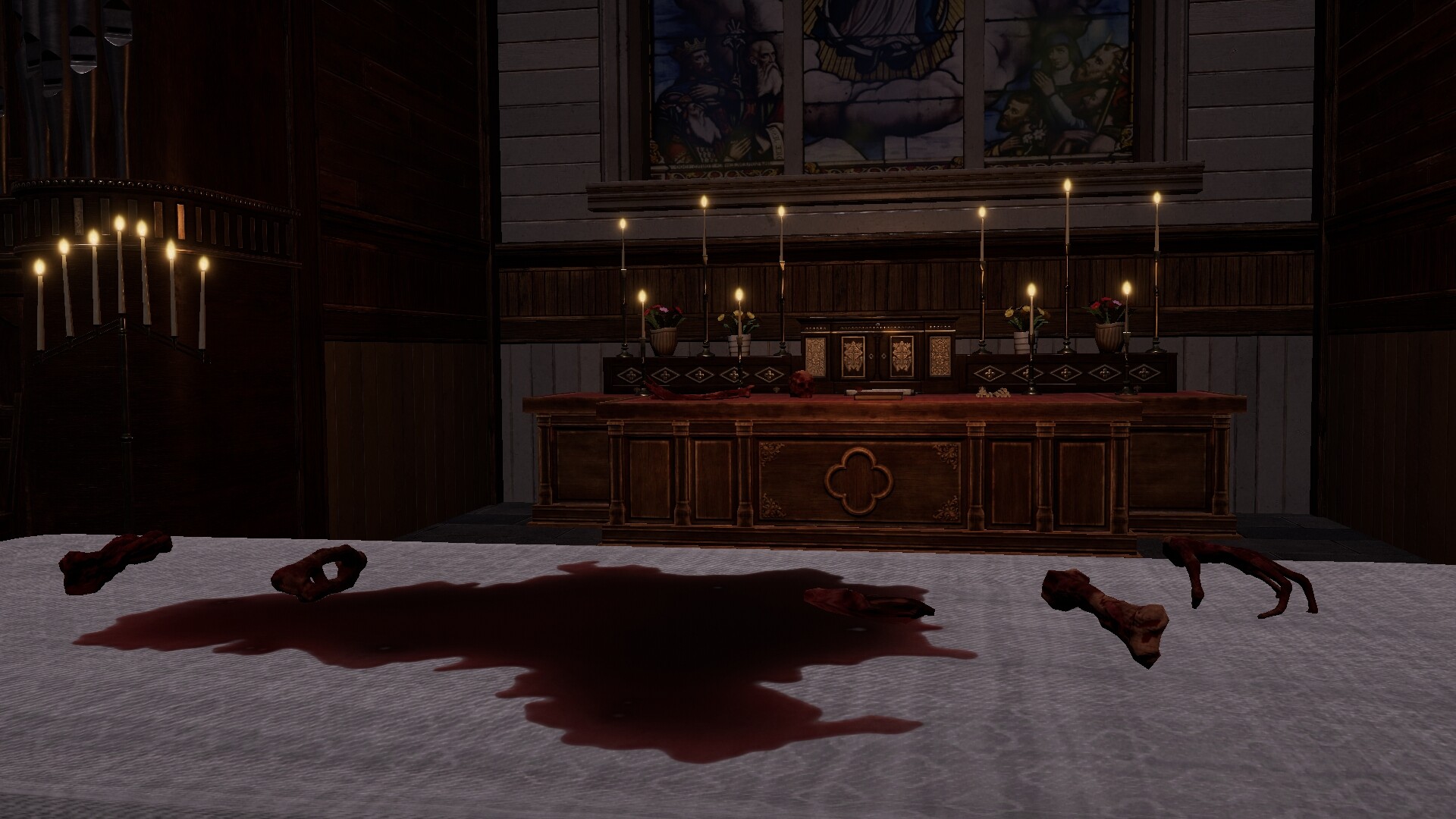
Officially described on Steam, Trace of the Villa follows Jin as he investigates a deliberately forgotten mansion. Rooms feel “less abandoned than erased”: furnishings remain, identities are missing, and secured systems hide fragments of a larger operation. A core loop centers on restoring power to the estate so systems and safes can be accessed — each recovered document or manifest builds a chain of clues that points further down the trail.
When and where
Trace of the Villa released on 28 May, 2026 and is available on Steam. The developer and publisher listed are Steadyturtle Co., Ltd.
Why the theme matters
Thematically the mansion operates as a locked-room archive: power, access, and authentication are narrative devices as much as mechanics. Restoring electricity literally reanimates evidence, and that mechanic reframes exploration into an act of forensic reconstruction. For players who value narrative puzzle design that rewards careful observation and deduction, that framing deepens the stakes — discoveries don’t just open doors, they reconstruct missing identities and timelines.
How progression and clue chains work
Progression in Trace of the Villa is rooted in environmental reading and systems reactivation. The Steam description makes this explicit: restoring power brings secured systems back online, hidden compartments unlock, safes yield fragments of encrypted documents and suspicious transfer records. That sequence creates linked puzzles rather than isolated riddles — one solved device or decrypted manifest commonly points to the next locked space. The result is a detective-style loop: find access → restore system → recover fragment → reinterpret the space.

Compact facts — Trace of the Villa
| Title | Trace of the Villa |
|---|---|
| Steam AppID | 3483660 |
| Release date | 28 May, 2026 |
| Developer | Steadyturtle Co., Ltd. |
| Publisher | Steadyturtle Co., Ltd. |
| Genres | Action, Adventure, Indie |
| Categories / notable features | Single-player, Color Alternatives, Custom Volume Controls, Playable without Timed Input, Subtitle Options, Family Sharing |
How Trace of the Villa compares — quick editorial table
| Game | Core focus | Puzzle style | Exploration & tone | Pacing / player fit |
|---|---|---|---|---|
| Trace of the Villa | Forensic mansion investigation; restoring power unlocks evidence | Linked, environment-driven puzzles; safes, encrypted fragments, systems | Atmospheric, slow-burn mansion mystery with narrative puzzle design | Patient, detail-oriented players who like reading rooms as case files |
| The Room | Tactile puzzle-box mystery | Stand-alone mechanical puzzles with layered locks and secrets | Isolated, intimate puzzle rooms with a sense of uncanny discovery | Players who prefer focused, handcrafted puzzle objects |
| The Room Two | Expanded puzzle-box exploration across distinct locales | Sequential mechanical puzzles with increasing complexity | Cryptic, exploratory tone similar to single-location mystery | Fans of slow reveals and immersive object puzzles |
| Escape Simulator | Highly interactive escape-room physics and object manipulation | Environmental, physics-enabled puzzles with inventory interactions | Open, playful rooms built around interactivity and co-op options | Players who like hands-on experimentation and community-made rooms |
| Hi-Fi RUSH | Rhythm-driven action (not puzzle-first) | Action and timing systems tied to music, not environmental puzzles | Energetic, narrative-action tone — different pacing and objectives | Players looking for fast-paced combat and musical sync rather than investigative puzzles |
Player scenarios — who will get the most from Trace of the Villa
- The methodical investigator: You like reading notes, logs, and room arrangements to reconstruct timelines. The power-restoration loop rewards slow observation and deduction.
- The atmospheric explorer: You prioritize mood and implied history; a mansion that feels “erased” appeals to your taste for psychological investigation.
- The puzzle-chainer: You prefer puzzles that point to other puzzles — not isolated riddles but clue chains where one recovered item recontextualizes a room.
- The accessibility-minded player: Steam categories note subtitles and non-timed input options, so you can approach at your own pace.
YouTube discovery
If you’re looking for trailers or gameplay videos, search results for Trace of the Villa can be found here: Trace of the Villa — YouTube search.
Leave a Reply