
Trace of the Villa: an escape-room style mystery that powers itself open
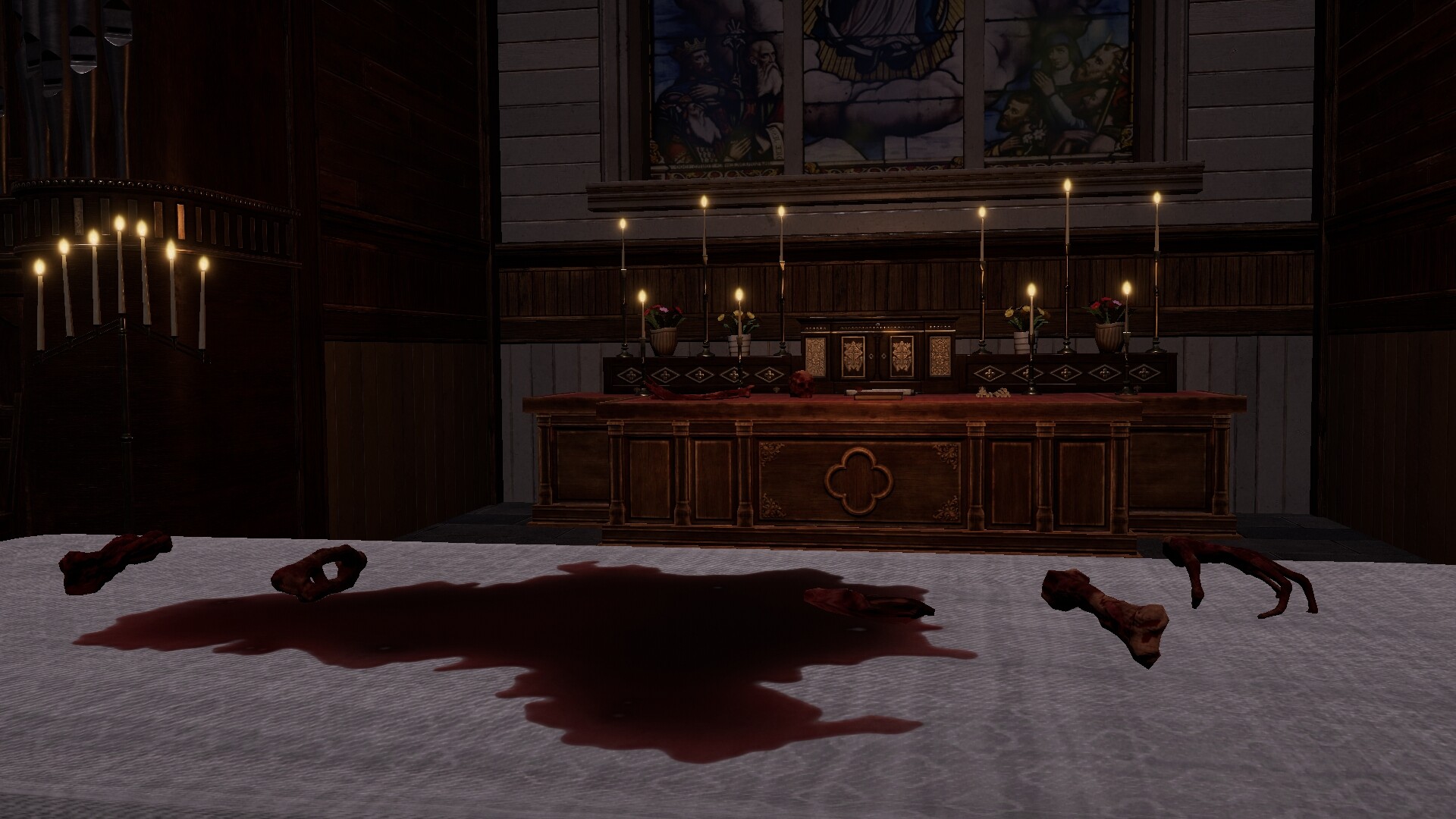
Trace of the Villa casts you as Jin, a lone investigator following leads into a remote, decaying mansion where clues suggest his missing sister may still be alive. When Jin restores power to the estate, secured systems come back online and the house begins to unlock both spaces and evidence — a gameplay loop built around illumination, access, and reconstruction.

Quick facts
| Title | Trace of the Villa |
|---|---|
| Steam AppID | 3483660 |
| Release date | 28 May, 2026 |
| Developer / Publisher | Steadyturtle Co., Ltd. |
| Genres | Action, Adventure, Indie |
| Notable Steam categories | Single-player; Color Alternatives; Custom Volume Controls; Playable without Timed Input; Subtitle Options; Family Sharing |
| Official short description | Jin has spent years searching for his missing sister, pursuing leads that took him to a remote, decaying mansion where he recovered manifests and hints that indicate his sister may still be alive, somewhere at the end of the trail he is about to follow. |
Who should consider Trace of the Villa?
Players who prefer methodical, single-player mystery experiences where clue chains and environmental reading drive progress will find this appealing. If you enjoy slow-burn suspense, mansion mysteries, and detective pacing that rewards careful observation — rather than twitch reflexes or competitive multiplayer — this is aimed at you. The Steam categories (single-player, subtitle options, playable without timed input) reinforce that it prioritizes accessibility and a thoughtful pace.
What the game is (and how it plays)
The official premise positions Jin in a property “cut off from the grid” where rooms feel “less abandoned than erased.” Core loop elements spelled out on the Steam page: restore power to bring systems back online; unlock previously secured doors and safes; recover fragments of documents and manifests. Those recovered items form chains of evidence — encrypted documents, suspicious transfer records, falsified identities — that let you reconstruct timelines and motives. In short: restore light and systems → open spaces → gather and piece together evidence → proceed to new areas.

When and where
Trace of the Villa launched on Steam on 28 May, 2026. It appears as a PC/Steam release from Steadyturtle Co., Ltd., presented under Action / Adventure / Indie genres and the Steam categories listed above.
Why the theme matters
The house-as-evidence-depot framework changes the feel from a pure puzzle room to a forensic environment: instead of isolated mechanics, puzzles are deliberate steps in an investigative chain. Restoring power is not just a utility task; it’s a narrative trigger that converts environmental ambiguity into readable data. That makes the game interesting for players who treat scenes like dossiers — every switch, terminal, and safe contributes to a reconstructed story rather than an abstract lock to open.
How you read clues and progress
Based on the official description, progression hinges on environmental literacy. Systems returning online reveal hidden compartments and encrypted fragments; safes and secured systems yield documents that connect to financial trails and falsified identities. Expect puzzle outcomes to be less about binary success/failure and more about assembling a timeline: find a manifest, match it to transfer records, then use that chain to access the next sealed area. The absence of timed input on Steam suggests the pace is contemplative rather than frantic.
Player scenarios (concrete examples)
- Solo puzzle-sleuth: You block out an afternoon to comb rooms, flip breakers, and catalog recovered manifests into a personal timeline.
- Environmental detective: You favor note-taking and cross-referencing details — names, dates, locked-room layouts — to map movements through the estate.
- Story-first explorer: You lean on the atmosphere and the slow reveal of identities and financial records to drive curiosity rather than just puzzle completion.
- Fans of methodical mystery: If you enjoyed carefully paced investigative puzzles (reading space as evidence), add this to your wishlist; it’s designed for that rhythm.
How it compares — editorial discovery
Below is a compact comparison with a few other puzzle/mystery-adjacent titles so you can judge fit by genre, tone, and puzzle focus. These comparisons use lawful editorial criteria: genre, atmosphere, puzzle focus, exploration style, story tone, and pacing.
| Title | Genre / Tone | Puzzle / Exploration focus | Player fit / Pacing |
|---|---|---|---|
| Trace of the Villa | Action / Adventure / Indie — mansion mystery, slow-burn suspense | Clue-chain investigation: restore power, unlock systems, reconstruct documents | Single-player, contemplative, investigative players who like environmental storytelling |
| The Room / The Room Two | Adventure / Indie — intimate, mechanical mystery | Object-based mechanical puzzles focused on tactile manipulation and safe/shelf unlocking | Players who like tightly focused, mechanical puzzle boxes with strong tactile feedback |
| Escape Simulator | Adventure / Simulation / Indie — highly interactive escape rooms | Sandbox escape rooms with physics interactions and community-created content | Players who prefer puzzle variety, physics interaction, and cooperative play options |
| Hi‑Fi RUSH | Action — rhythm-driven combat (different tone) | Action and rhythm synchronization rather than environmental investigation | Players seeking upbeat action and rhythmic gameplay; not a direct match for slow investigative pacing |
YouTube discovery
If you want to see trailers or gameplay snippets, search YouTube; a convenient discovery path is: Trace of the Villa trailer & gameplay. This link is a search path — do not assume every result is an official video.
Decision guide — should you wishlist it?
Wishlist Trace of the Villa
Leave a Reply