
Trace of the Villa — an escape-room style mystery built on power, access, and evidence
Trace of the Villa tasks you as Jin, a lone investigator whose search for a missing sister leads to a remote, decaying mansion where restoring power literally reactivates the case. The game’s puzzle loop centers on unlocking spaces and reconstructing fragments of a hidden operation, so players who prefer environmental reading and clue chains will find the pacing and tools familiar and satisfying.

Quick facts
| Title | Trace of the Villa |
|---|---|
| Steam AppID | 3483660 |
| Developer / Publisher | Steadyturtle Co., Ltd. |
| Release date | 28 May, 2026 |
| Genres | Action, Adventure, Indie |
| Steam categories | Single-player; Color Alternatives; Custom Volume Controls; Playable without Timed Input; Subtitle Options; Family Sharing |
| Short premise | Jin searches a decaying, off-the-grid mansion for clues that his missing sister may still be alive; restoring power reveals secured systems, hidden compartments, and fragments of encrypted documents. |
Who this is for
If you enjoy slow-burn suspense driven by environmental storytelling, Trace of the Villa is aimed at players who like reading space as evidence. That includes people who favor:
- Single-player mystery adventures without timed input.
- Clue-chain puzzles where one discovery unlocks a new area or system.
- Games that use atmosphere and recovered documents to reveal plot rather than constant combat or action set pieces.
- Players who appreciate accessibility options such as color alternatives, subtitles and adjustable audio controls.
What the gameplay loop actually looks like
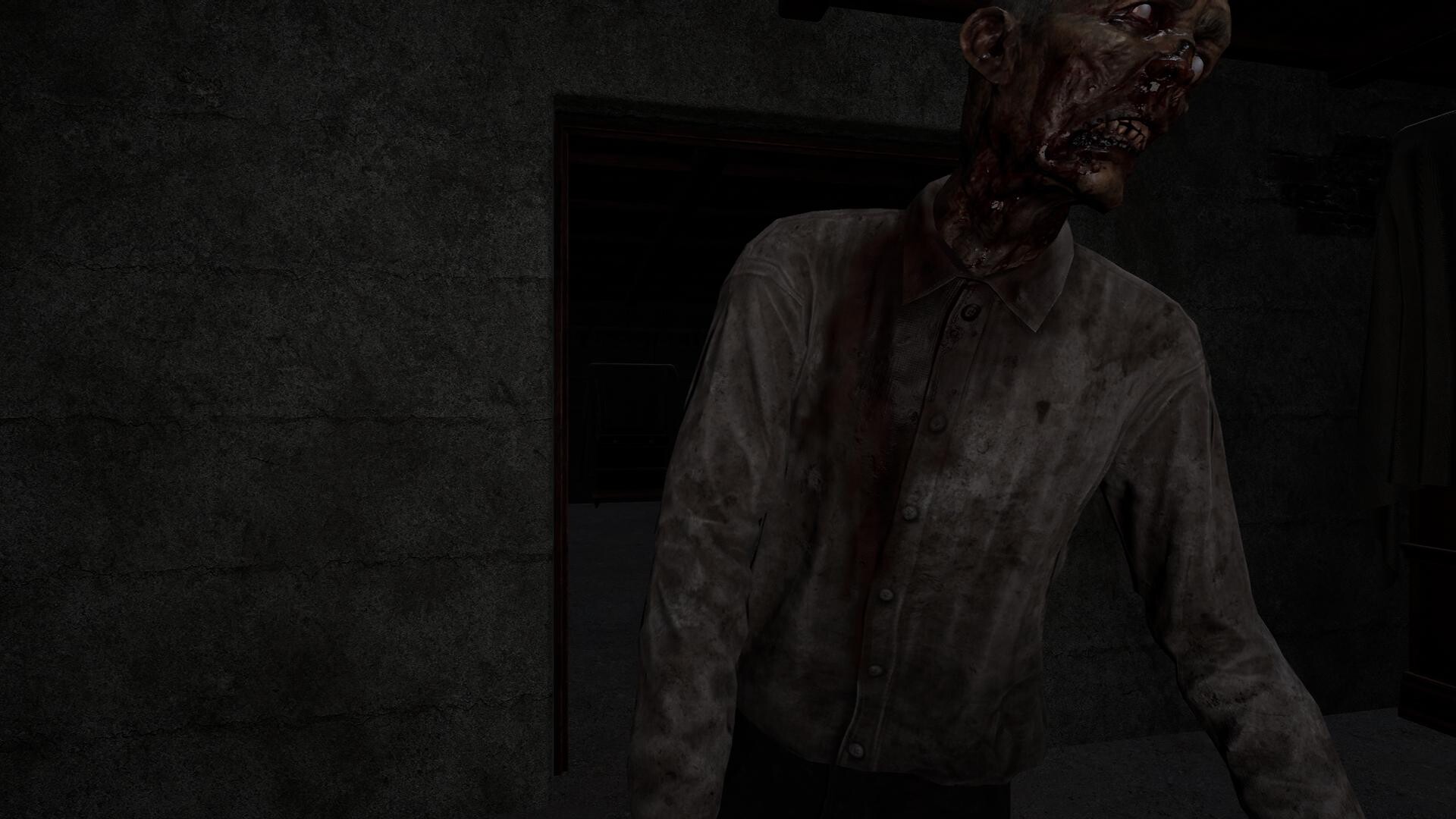
The Steam description frames the core loop around restoring power and following the systems that come back online. Practically, the loop reads like an escape-room chain: get electricity running, access secured systems and safes, extract fragments of encrypted documents or manifests, then use those fragments to locate the next locked space. Each unlocked subsystem reveals new environmental cues — falsified records, transfer logs, and missing names — that let Jin reconstruct timelines and movement through the estate.
When and where — Steam/PC context
Trace of the Villa released on 28 May, 2026 on Steam. The title lists Steam-friendly categories like Single-player and Playable without Timed Input, so the Steam/PC build appears focused on a single-player, investigation-first experience with accessibility options noted on the store page.
Why the powering-and-unlocking conceit matters
Restoring power is a straightforward mechanical hook that doubles as narrative reveal: systems that were deliberately shut down become the game’s way of revealing what the estate was used for. Rather than purely abstract puzzles, the game ties each lock and safe to a piece of the story — encrypted documents, suspicious transfer records, and manifests — so progress is also meaningfully additive to Jin’s investigation into his sister’s disappearance.
How to read the environment and piece evidence
The design encourages detective-style reading of place. Expect to:
- Follow electrical and network systems as literal gating mechanisms — rebooting circuits or consoles opens physical and informational access.
- Collect fragments (manifests, encrypted docs, transfer logs) and cross-reference them against on-site cues to build timelines.
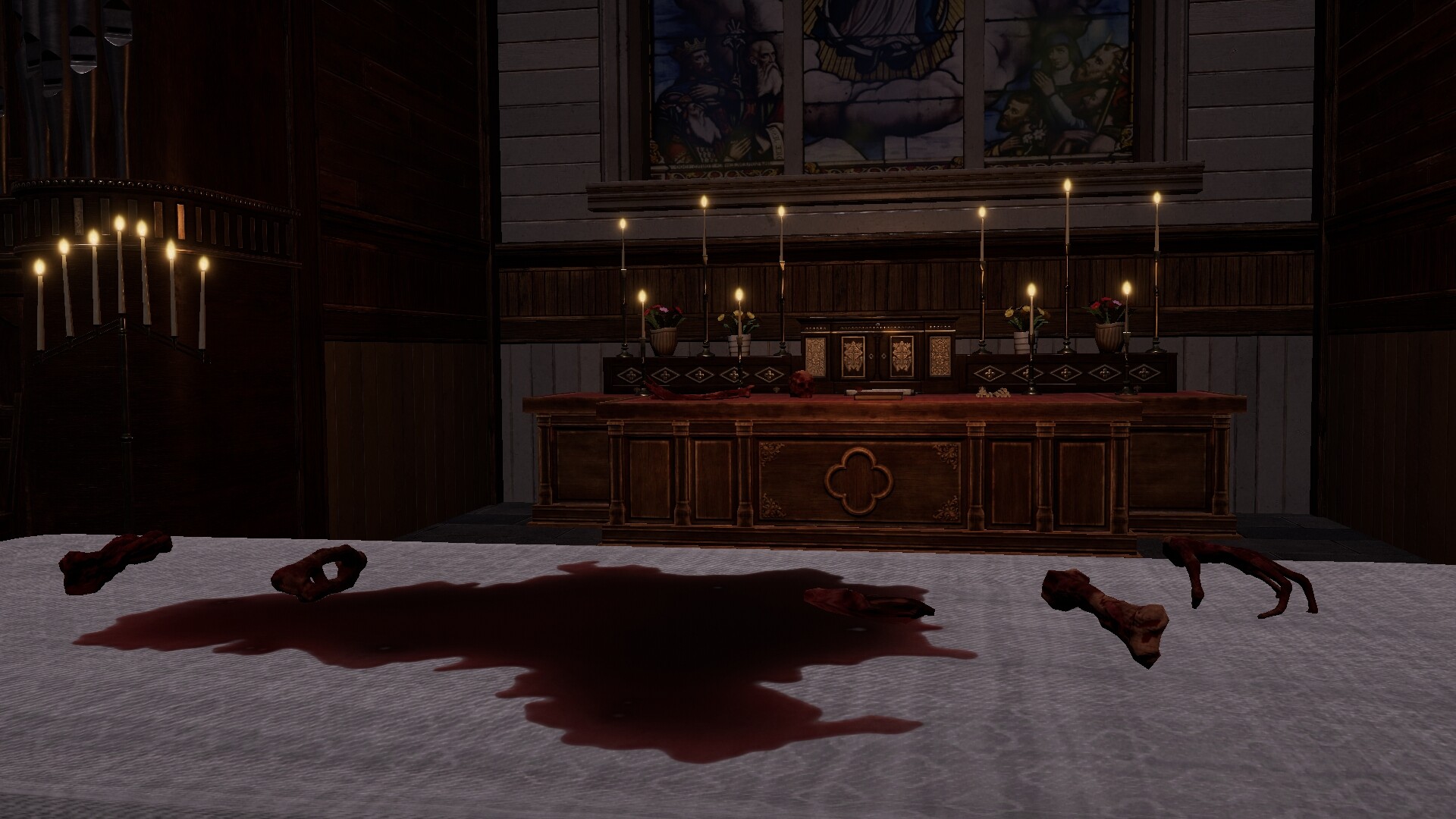
- Use unlocked safes and hidden compartments to find connective tissue between otherwise anonymous occupants — the game’s text notes the mansion lacks photos or names, so evidence often consists of transactional proof rather than personal memoirs.
Specific player scenarios
- Late-night atmosphere seekers: you like slowly unlocking rooms and reading evidence in dim corridors rather than constant combat.
- Puzzle-first investigators: you enjoy chained puzzles where solving one systems puzzle reveals another physical location to examine.
- Accessibility-conscious players: subtitle options, color alternatives and custom volume controls make the game friendlier to varied play styles.
- Story-focused explorers: if you prefer a narrative revealed through manifests and logs instead of character-centric cutscenes, this aligns with that preference.
How Trace of the Villa sits next to similar games
Below is a focused editorial comparison on design and tone — not a ranking. These entries were chosen because they represent nearby approaches in puzzle focus, atmosphere, exploration and pacing.
| Title | Primary genre | Puzzle focus | Atmosphere / story tone | Exploration style | Pacing |
|---|---|---|---|---|---|
| The Room | Adventure / Indie | Mechanical safe-and-device puzzles | Mysterious, focused on a single locked locale | Contained, object-based examination | Deliberate, puzzle-driven |
| The Room Two | Adventure / Indie | Progressive device puzzles across linked spaces | Creepy, cryptic exploration | Sequential rooms with escalating complexity | Slow-burn, escalating |
| Escape Simulator | Adventure / Simulation / Indie | Highly interactive escape-room mechanics | Playful to tense depending on room | Hands-on object interaction, sandbox-y | Variable — often puzzle-sprint sessions |
| Hi‑Fi RUSH | Action | Rhythm-action combat and timing | Energetic, stylized | Linear action stages, not investigative | Fast, beat-driven |
Editorial note: Trace of the Villa shares the investigative, object-led puzzle DNA of The Room series but frames those puzzles in a narrative about falsified identities and institutional concealment, using power-restoration as a structural device. Compared to Escape Simulator’s more tactile breakout rooms, Trace of the Villa emphasizes narrative fragments and timed revelations over physics-based sandboxing. Hi‑Fi RUSH is included to show contrast: if you favor rhythm-action and quick pacing, Trace of the Villa’s slow investigative tone will feel very different.
YouTube discovery
If you want motion and audio to judge tone, search for trailers and gameplay using this YouTube discovery path (useful for unofficial gameplay captures and trailers): Trace of the Villa — YouTube search.
Decide if it’s for you — quick checklist
- Do you like investigating empty spaces as if they were crime scenes? — Yes → likely fit.
- Do you need co-op or multiplayer? — No: store page lists Single-player only.
- Do you prefer rapid action set pieces and rhythm or timed mechanics? — No: this emphasizes slow revelation and is playable without timed input.
- Do accessibility options like subtitles and color alternatives matter to you? — The store page lists those options.
Leave a Reply