
Trace of the Villa — an escape-room style mystery where restoring power opens the house and the case
Trace of the Villa places you in a decaying mansion investigation, and the core loop is built around restoring systems, unlocking sealed spaces, and piecing together fragmented evidence to follow a trail. It’s a story-rich, clue-driven adventure from Steadyturtle Co., Ltd. that released on Steam on 28 May, 2026.

| Title | Trace of the Villa |
|---|---|
| Steam AppID | 3483660 |
| Release date | 28 May, 2026 |
| Developer / Publisher | Steadyturtle Co., Ltd. |
| Genres | Action, Adventure, Indie |
| Key Steam features | Single-player; Color Alternatives; Custom Volume Controls; Playable without Timed Input; Subtitle Options; Family Sharing |
| Short premise | Jin arrives at a remote, decaying mansion with manifests and hints that his missing sister may still be alive, and the house only begins to reveal itself when power is restored. |
Who should wishlist Trace of the Villa?
This one is aimed at players who prefer slow-burn suspense and environmental storytelling over nonstop action: people who enjoy reading rooms for clues, following chained evidence, and solving puzzles that unlock narrative beats. If you like single-player psychological investigation and mansion mysteries that unfold as you power systems back on, this will likely fit your taste.
What the game is (and what actually happens in the house)
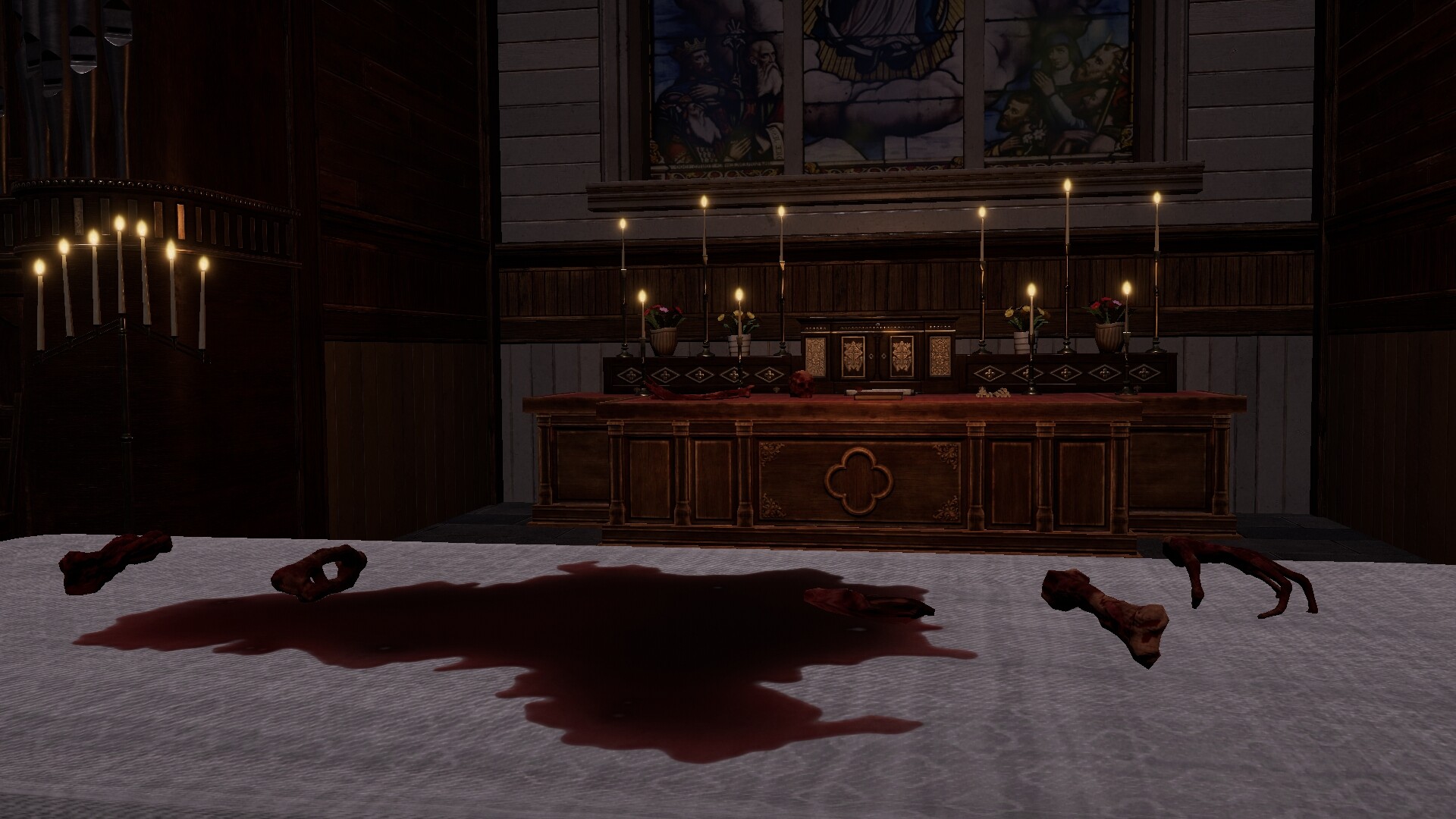
Official Steam copy frames Trace of the Villa around Jin’s search for his missing sister and a property “cut off from the grid.” Rooms are staged as if occupants vanished mid-routine. Crucially, when Jin restores power to the estate, “secured systems come back online. Hidden compartments unlock. Safes yield fragments of encrypted documents and suspicious transfer records.” The game ties puzzle solves to narrative discovery: each unlocked system or decrypted fragment points to further layers of an operation that erased identities and covered tracks.
When and where — Steam context
Trace of the Villa is available on Steam as of 28 May, 2026. Its Steam page lists Action / Adventure / Indie as genres and highlights single-player and accessibility options like custom volume controls and subtitle support. For readers in the United States and other English-speaking markets, the Steam listing and screenshots are the primary place to judge tone and pace.

Why the theme of power, erasure, and identity matters
The decision to make restoring power a mechanical and narrative hinge gives Trace of the Villa a tangible, tactile core: systems and doors don’t simply represent obstacles; they are story gates that, when reactivated, return traces of people and activity. That approach rewards players who piece together evidence chains and who treat environment and wiring diagrams as meaningful artifacts rather than just scenery.
How the gameplay loop reads like an escape-room mystery
Rather than a sequence of unrelated puzzles, Trace of the Villa connects mechanical progression to forensic reconstruction. You reactivate infrastructure, which opens locked spaces; those spaces yield documents, manifests, and encrypted fragments; those fragments form leads you must follow to other rooms or systems. The loop is: restore → reveal → interpret → follow the next lead. It’s designed for players who enjoy linking isolated clues into a timeline and who prefer deduction and environmental reading over reflex-based challenges.
Player scenarios — what you’ll actually do
- Fix a dead control panel to bring lights and a locked wing back online, then search newly powered conservatories for ledgers that change how you interpret previous notes.
- Recover fragments from a safe after restoring security power, then compare transaction records across rooms to reveal falsified identities and suspicious transfers.
- Enter a furnished bedroom that feels “erased” and use small contextual details — a misplaced glove, a sealed drawer, an empty frame — to build a chain of inference about who passed through and when.
How Trace of the Villa compares to nearby mystery and puzzle games
| Title | Genre | Atmosphere | Puzzle focus | Exploration style | Player fit |
|---|---|---|---|---|---|
| Trace of the Villa | Action / Adventure / Indie | Decaying mansion, slow-burn suspense | Clue chains, environmental reading, restoring systems | Room-to-room mansion exploration with locked areas reopening | Players who like narrative puzzles and forensic deduction |
View Trace of the Villa on Steam
YouTube discoveryFor trailer and gameplay discovery, use YouTube search rather than relying on unverified embeds: Find Trace of the Villa trailer and gameplay searches on YouTube. Reader decision checklistUse this checklist before deciding whether Trace of the Villa belongs on your Steam wishlist. The game is most relevant if you enjoy reading environmental evidence, following document trails, inspecting rooms for small inconsistencies, and letting a mystery unfold through objects rather than exposition. It is less about instant spectacle and more about the slow pressure of a place that seems to have been deliberately erased. SEO note for discovery-minded playersPlayers searching for atmospheric mystery adventure, clue-driven exploration, mansion mystery game, story-rich indie adventure, psychological investigation game, or narrative puzzle design are likely looking for the same core appeal: a PC game where the setting is not just a backdrop but the main source of evidence. Trace of the Villa fits that search intent because its official Steam premise centers on Jin, his missing sister, a remote mansion, restored systems, hidden compartments, safes, encrypted documents, and a trail of suspicious records. Final player-fit summaryWishlist Trace of the Villa if you want a slow investigation built around official Steam store elements: a 28 May, 2026 release from Steadyturtle Co., Ltd., a single-player PC/Steam mystery structure, official screenshots showing the mansion atmosphere, and a premise that uses the house itself as a puzzle box. The strongest fit is for players who prefer patience, observation, and narrative reconstruction over fast combat or loud horror beats. CommentsMore posts |
Leave a Reply