Trace of the Villa: Restoring Power, Unlocking a Mansion’s Quiet Crimes
Trace of the Villa is a story-rich, clue-driven mystery that stages its puzzles around power, locked spaces, and reconstructing fragments of evidence. You play Jin, whose search for a missing sister brings him to a cut-off estate where lighting the circuits literally and figuratively opens the case.

What (the game)
Trace of the Villa is an atmospheric mystery adventure on Steam that blends environmental storytelling with action-adventure pacing. The official premise places Jin in a decaying mansion cut off from the grid; restoring power is a clear gameplay pivot that brings secured systems back online, reveals hidden compartments, and yields encrypted documents and suspicious transfer records. The developer and publisher is Steadyturtle Co., Ltd., and the Steam release date is 28 May, 2026.
| Title | Trace of the Villa |
|---|---|
| Steam AppID | 3483660 |
| Release date | 28 May, 2026 |
| Developer | Steadyturtle Co., Ltd. |
| Publisher | Steadyturtle Co., Ltd. |
| Genres | Action, Adventure, Indie |
| Categories | Single-player; Color Alternatives; Custom Volume Controls; Playable without Timed Input; Subtitle Options; Family Sharing |
Who it’s for
- Players who prefer slow-burn suspense and environmental storytelling over twitch reflexes.
- Fans of locked-room thinking and tightly nested clue chains: those who enjoy reading a room for implications rather than just inventory puzzles.
- Story-first explorers who like piecing together timelines from documents, security logs, and reconstructed evidence.
- PC players who prioritize accessibility options like custom volume controls and subtitle support (both are listed in the Steam categories).
How the gameplay loop is built — restoring power, unlocking spaces, reconstructing evidence
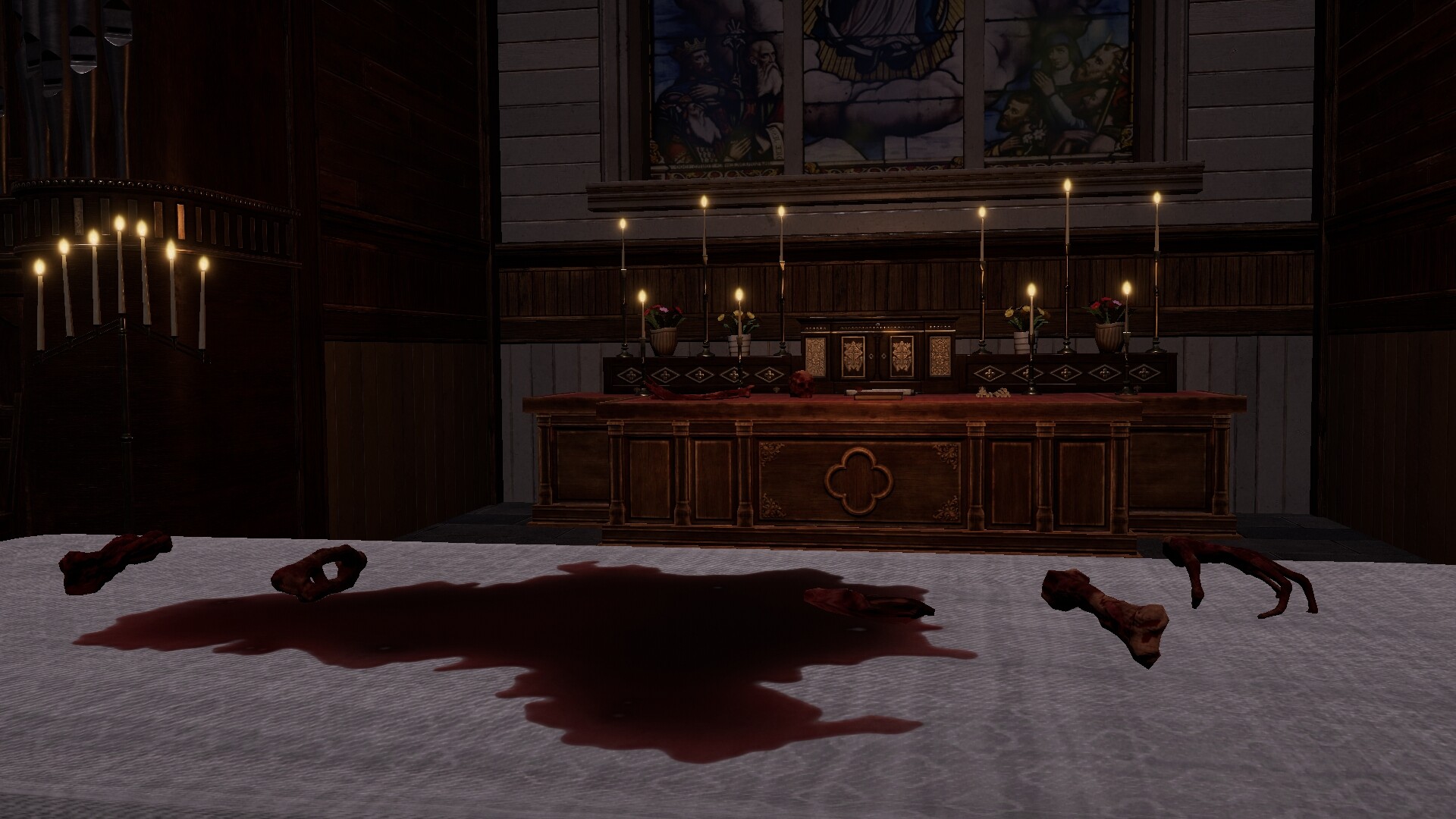
Trace of the Villa arranges its detective work around a mechanical core: bring the estate back online, then follow the systems and openings the power supplies reveal. When Jin restores power to the estate, secured systems come back online; hidden compartments unlock; safes yield fragments of encrypted documents and suspicious transfer records. Those recovered artifacts form the bones of the next puzzle: encrypted fragments, manifests, and hints combine into a clue chain that points toward the mansion’s purpose and the people who passed through it.
This is locked-room thinking at scale. Rather than a single puzzle box, the house is a succession of secured micro-environments: a dark wing that requires power to access surveillance logs, a study whose locked drawer hides a manifest, a basement safe that only opens after upstream systems are reset. Each restoration step is both an environmental reveal and a narrative beat — powering a circuit not only illuminates a corridor but also delivers the next piece of evidence that changes how you read earlier scenes.

When & where to get it
Trace of the Villa launched on Steam on 28 May, 2026. If the idea of methodical investigation through environmental reading appeals to you, it’s available on its Steam store page.
Concrete player scenarios
Scenario A — The Patient Investigator: You enjoy playing detective at your own pace, photographing rooms with a notebook open, cross-referencing manifests with security timestamps. Trace of the Villa’s reliance on documents and encrypted fragments rewards careful note-taking and backtracking.
Scenario B — The Puzzle-Adjacent Explorer: You like puzzle blocks tied to world systems rather than abstract locks. Restoring power to unlock surveillance and safes will feel more like systems-play (flip this breaker to activate that console) than standalone riddles.
Scenario C — The Narrative-First Player: Your primary satisfaction comes from reconstructing a timeline and seeing how small discoveries refract into a bigger operation. The mansion’s “erased” identities and transfer records create a slow reveal that changes the tone of exploration as you progress.
How it compares — editorial discovery
| Game | Core focus | Puzzle style | Atmosphere & tone | Player fit |
|---|---|---|---|---|
| Trace of the Villa | Narrative puzzle-adventure centered on restoring power and reconstructing evidence | Environmental puzzles, clue chains, system-based progression | Decaying mansion, slow-burn suspense, psychological investigation | Players who like story-rich detective work and locked-room thinking |
| The Room | Single-location puzzle box | Mechanical, tactile puzzle boxes and safes | Isolated, uncanny curiosity-driven atmosphere | Players who prefer tight, object-based puzzles in focused locales |
| The Room Two | Expanded mechanical puzzles across linked spaces | Layered puzzle boxes that build on mechanical interactions | Mystical, secluded environments with creeping discovery | Those who want successive, handcrafted puzzle encounters |
| Escape Simulator | User-crafted escape rooms and high interactivity | Inventory and physics-driven puzzles; sandbox interaction | Varied — from goofy to tense depending on room | Players who enjoy experimental puzzles, sandbox interaction, and co-op |
| Hi-Fi RUSH | Action rhythm combat with narrative elements | Combat encounters synced to music; not puzzle-focused | Upbeat, kinetic, music-driven | Players who prioritize action and rhythmic gameplay over exploration |
YouTube discovery
Looking for trailers or gameplay clips? Search Trace of the Villa on YouTube (use this search path — not a verified official video): YouTube: Trace of the Villa trailer & gameplay.
Who, what, when, where, why, and how — recap: Jin is the protagonist investigating a remote decaying mansion; the game uses power restoration to unlock systems and evidence; it released on Steam on 28 May, 2026; the developer/publisher is Steadyturtle Co., Ltd.; the theme matters because the physical acts of restoring systems are also narrative beats that reveal structured erasure and suspicious transfers; you progress by reading environments, following clue chains, and reconstructing a timeline from documents and recovered data.
Disclaimer: Referenced titles and trademarks belong to their respective owners. Comparisons above are editorial discovery only and not endorsements.
Leave a Reply