
Trace of the Villa — an escape-room style mystery built around power, doors, and evidence
Steadyturtle’s Trace of the Villa (released 28 May, 2026) trades jump scares for locked-door logic: you restore power, whole rooms come back to life, and each new system reveals another chain of clues. If you like slow-burn, clue-driven exploration and piecing together a timeline from environmental fragments, this is designed around that exact loop.

| Title | Trace of the Villa |
|---|---|
| Steam AppID | 3483660 |
| Release date | 28 May, 2026 |
| Developer / Publisher | Steadyturtle Co., Ltd. |
| Genres | Action, Adventure, Indie |
| Categories | Single-player; Color Alternatives; Custom Volume Controls; Playable without Timed Input; Subtitle Options; Family Sharing |
| Short premise | Jin searches a remote, decaying mansion for his missing sister — restoring power unlocks systems and reveals encrypted documents, false identities, and a controlled pattern of arrivals and departures. |
Who is this for?
Players who prefer methodical, environmental mysteries over fast action: those who value reading a space for signs, following paper trails, and assembling timelines. Because Trace of the Villa is single-player and focused on narrative-slow burn investigation, it will especially suit detective-minded players, fans of atmospheric mystery adventure, and anyone who enjoys puzzle loops that reward careful observation rather than reflexes.
What the game is — the locked-room loop made practical
Trace of the Villa places you in a deliberately isolated estate where the main mechanical loop is explicit in the official description: when Jin restores power to the estate, secured systems come back online, hidden compartments unlock, and safes yield fragments of encrypted documents and suspicious transfer records. Those discoveries become new inputs — encrypted files, manifests, and physical residues — that you must chain together to push the story forward. It isn’t a sequence of detached puzzles so much as a progressive unpeeling of a single sealed environment.
When and where to play
Trace of the Villa is available on Steam (PC). The game released on 28 May, 2026; it appears on the store with the usual accessibility options like subtitles and color alternatives, and is flagged as playable without timed input — a useful tag for players who prefer contemplative pacing.
Why the power-and-unlock theme matters
Designing a mystery around restoring utilities and reactivating systems does two things for puzzle design: it creates natural gating (you can’t open a locked safe or networked terminal until power or code is recovered), and it reinforces narrative momentum — a visible cause (flip the fuse, boot the terminal) produces visible effects (cameras revive, lights reveal hidden panels). In Trace of the Villa the narrative payoff is concrete: restored systems return fragments of identities and financial trails, supporting a psychological investigation into who lived there and why their records were erased.
How you progress — reading the environment, chaining clues
Progress in Trace of the Villa is driven by environmental reading and evidence reconstruction. Expect to:
- Locate power sources and restore electricity to sections of the mansion so terminals and safes become usable.
- Recover manifests and encrypted documents from reactivated systems; use fragments of data to confirm timelines or expose falsified records.
- Follow physical clue-chains — a missing photograph, a ledger entry, an open-backed safe — that connect rooms and reveal controlled movements through the estate.
The official descriptions emphasize that rooms feel “erased” rather than abandoned: no names, no photographs, and locked doors that conceal “hastily secured secrets.” That framing means observation — cataloguing what’s missing and what’s been secured — is as important as solving discrete mechanical puzzles.

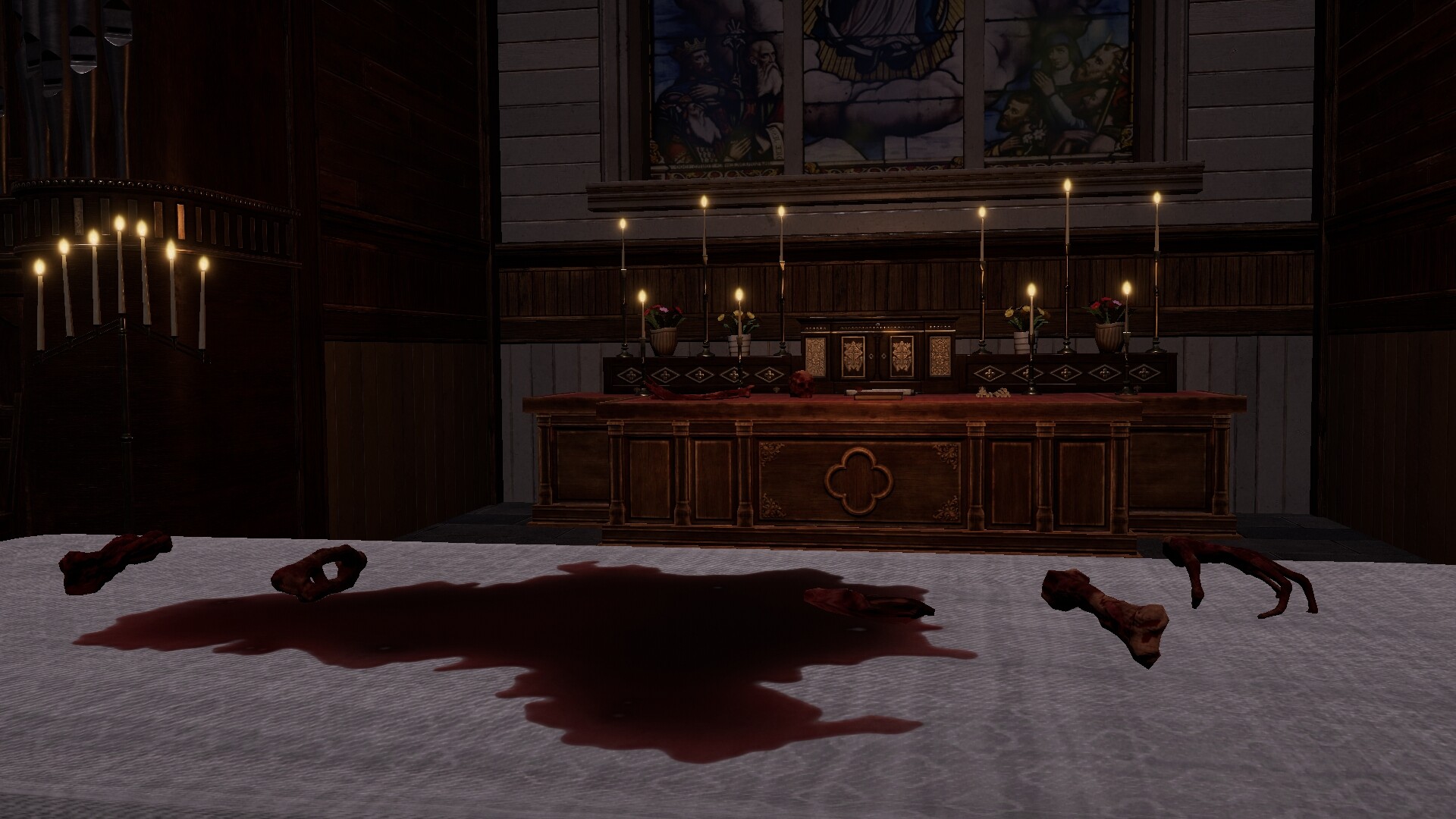
Player scenarios — who will enjoy the loop
1) The methodical investigator
You like cataloguing items, cross-referencing documents, and charting timelines. You’ll enjoy how restored systems provide modular clue-sets that slot into an unfolding narrative rather than delivering random loot.
2) The environmental storyteller
You read spaces like diaries: a set table tells you about a last meal, a locked drawer suggests urgency. Trace of the Villa positions those cues as primary narrative currency, so careful scene-reading pays off in story beats rather than just puzzle completion.
3) The slow-burn suspense fan
Prefer pacing that builds through discovery rather than bursts of action? The game’s single-player, no-timed-input approach supports exploratory play sessions and backtracking as you assemble evidence.
How it compares — nearby mystery and puzzle games
Below is a targeted comparison to help you decide if Trace of the Villa fits your tastes. Criteria are editorial: core focus, puzzle style, atmosphere, exploration style, and pacing.
| Title | Core focus | Puzzle style | Atmosphere / tone | Pacing / player fit |
|---|---|---|---|---|
| Trace of the Villa | Narrative investigation via power restoration and evidence reconstruction (Steadyturtle Co., Ltd.). | Environmental puzzles, document fragments, gated-by-systems mechanics. | Slow-burn mystery, decaying mansion, psychological investigation. | Methodical players who prefer single-player, non-timed exploration. |
| The Room | Focused, tactile safe-and-box puzzles in a contained space. | Mechanical, tactile riddles with layered physical interactions. | Claustrophobic, mysterious; concentrated puzzle atmosphere. | Players who like single-location, object-focused puzzle solving (puzzle-centric). |
| The Room Two | Expanded locales but same puzzle-box approach as the
Steam pageView Trace of the Villa on Steam YouTube discoveryFor trailer and gameplay discovery, use YouTube search rather than relying on unverified embeds: Find Trace of the Villa trailer and gameplay searches on YouTube. CommentsMore posts |
Leave a Reply