
Trace of the Villa — an escape-room style mystery where power, space and evidence set the pace
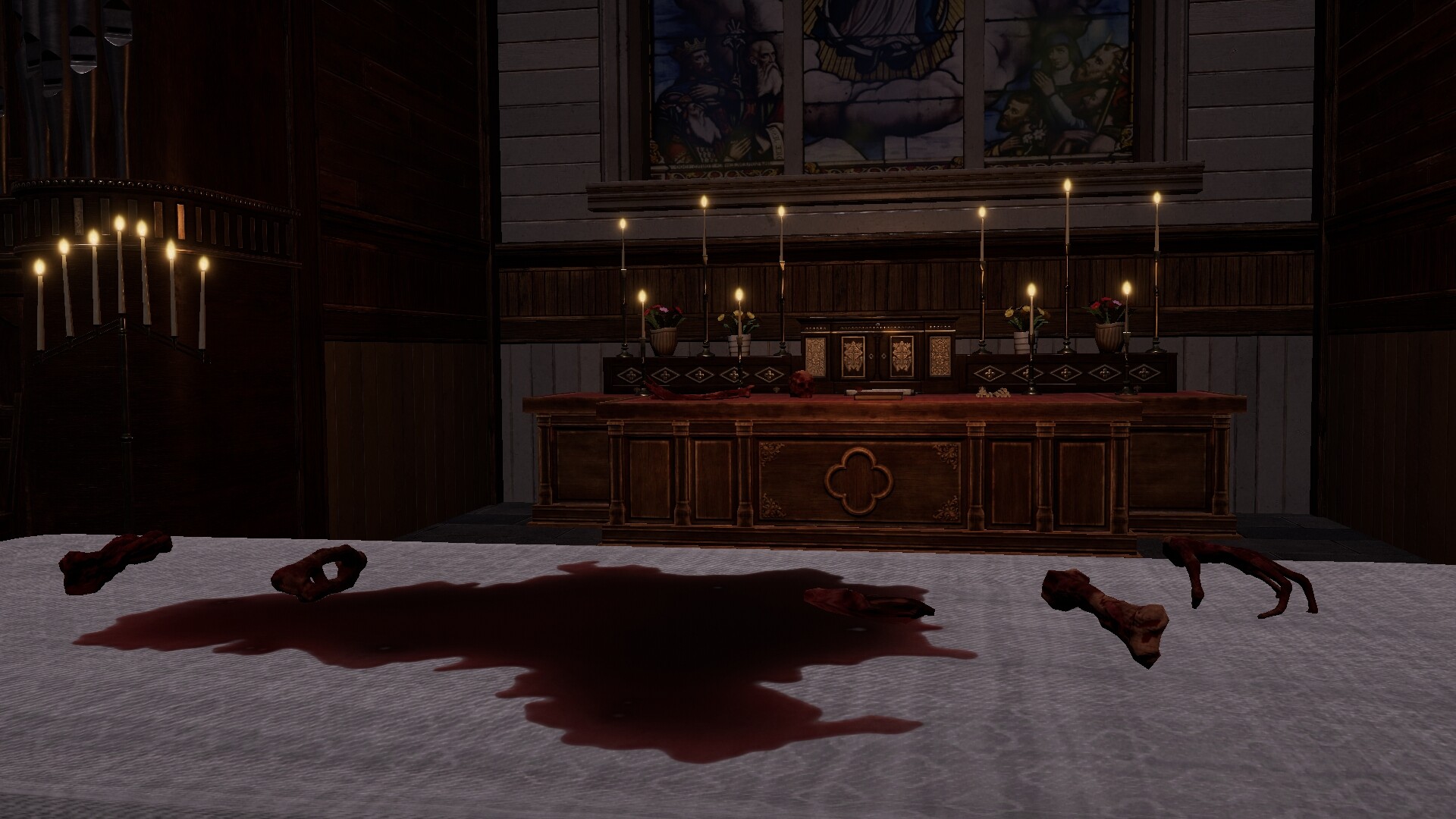
Trace of the Villa drops you into a decaying, off‑the‑grid mansion where Jin’s search for his missing sister turns investigative: restoring power doesn’t just light rooms, it unlocks systems and surfaces fragmented records that rebuild a timeline. The game leans into environmental storytelling and slow‑burn clue chains, rewarding players who read rooms like documents and treat switches, safes and terminals as steps in a deductive loop.


Quick facts
| Title | Trace of the Villa |
|---|---|
| Steam App ID | 3483660 |
| Release date | 28 May, 2026 |
| Developer | Steadyturtle Co., Ltd. |
| Publisher | Steadyturtle Co., Ltd. |
| Genres | Action; Adventure; Indie |
| Categories / Features | Single‑player; Color Alternatives; Custom Volume Controls; Playable without Timed Input; Subtitle Options; Family Sharing |
Who should wishlist this?
Trace of the Villa is aimed at players who prefer story‑rich adventure with an investigative slant: people who enjoy atmospheric mystery adventure, clue‑driven exploration, and environmental storytelling rather than twitch reflexes. It’s a better fit for slow‑burn suspense fans who like to reconstruct timelines and piece together erased histories from artifacts, manifests and system logs.
What the game is (and what to expect)
According to the official Steam description, you play as Jin, who follows a lead to a remote mansion and recovers manifests and hints that suggest his missing sister may still be alive. The mansion is presented as deliberately cut off from the grid and largely erased: rooms look lived‑in yet depersonalized, important identifiers are missing, and locked doors guard concealed secrets. Restoring power is central to the experience—secured systems come back online, hidden compartments unlock, and safes yield fragments of encrypted documents and suspicious transfer records. These recovered elements form the core clue chain that drives the narrative forward.
When and where
Trace of the Villa is available on Steam with a release date of 28 May, 2026. The Steam page provides platform context and feature listings such as subtitle options and custom volume controls for accessibility-minded players.
Why the theme matters
The mansion mystery blends psychological investigation with procedural reconstruction: rather than relying on jump scares, the game makes the investigative act itself meaningful. Power restoration as a gameplay axis is a useful design choice because it turns exploration into an escalating reveal—each system you reactivate changes what spaces, documents and clues are available, which in turn reshapes what you can deduce next. For players who want to feel like a methodical detective rather than an action hero, that pacing and feedback loop is significant.
How the gameplay loop works (reading the environment)
Trace of the Villa’s editorially described progression centers on three mechanical pillars: restore power, unlock spaces, reconstruct evidence. Practically, that means you’ll toggle between environmental reading—observing furnished rooms and missing personal markers—and interacting with technologies or safes that only function once power or credentials are restored. Each unlocked element yields new documents, manifests or encrypted fragments. Those fragments then act as keys for later puzzles or as pieces of a timeline that let you correlate arrivals, departures and suspicious transfers. That chain of cause → discovery → reinterpretation is the puzzle loop the game foregrounds.
How it compares to other puzzle/mystery experiences
Below is a concise editorial comparison focused on genre, atmosphere, puzzle focus, exploration style and pacing so you can judge if Trace of the Villa fits your tastes.
| Title | Genre / Tone | Puzzle focus | Exploration style | Pacing |
|---|---|---|---|---|
| Trace of the Villa | Action / Adventure / Indie — mansion mystery, investigative | Clue chains, environmental evidence, systems & safes unlocked by restoring power | Linear but discovery-driven rooms; power restoration reveals new interactions | Slow‑burn, investigation-led |
| The Room | Adventure / Indie — intimate, mechanical mystery | Mechanical safes and tactile puzzles; object inspection | Single‑room focused, handcrafted puzzle boxes | Measured, puzzle‑centric |
| The Room Two | Adventure / Indie — cryptic, atmospheric | Layered inspection puzzles and sequences | Multi‑scene but still object‑focused exploration | Steady, puzzle progression |
| Escape Simulator | Adventure / Casual / Indie — interactive escape rooms | Highly interactive physics and object manipulation | Room‑by‑room escape scenarios; sandbox tools and community rooms | Variable — from short bursts to long sessions depending on room |
| Hi‑Fi RUSH | Action — rhythm/action hybrid | Combat and rhythm mechanics, not environmental puzzles | Linear levels with combat encounters | Fast, kinetic |
Specific player scenarios
- If you like methodical puzzle archaeology: You’ll appreciate the evidence reconstruction loop—power on → device accessed → fragment recovered → timeline adjusted.
- If you prefer short, self-contained puzzles: The Room series or Escape Simulator may satisfy you more; Trace of the Villa looks to reward longer investigative sessions that splice narrative beats across unlocked spaces.
- If you want tense, immediate action: This is marketed as a mystery/adventure with investigative pacing, not a rhythm or fast‑combat title.
YouTube discovery
To find trailers and gameplay footage (official or community uploads), search YouTube: Trace of the Villa trailer & gameplay on YouTube. This is a discovery path—not a claim that any particular video is official.
Where to wishlist / Steam link
If Trace of the Villa sounds like your kind of investigative, atmospheric mystery, add it to your Steam wishlist or visit the store page:
Disclaimer
Referenced titles and trademarks belong to their respective owners. Comparisons above are editorial discovery only and not endorsements. All factual details about Trace of the Villa (release date, developer/publisher, official description, and listed Steam categories) are taken from the game’s Steam page.
Leave a Reply