
Trace of the Villa — a locked-room mystery built around power, access, and evidence
Jin has spent years searching for his missing sister, and Trace of the Villa puts that hunt inside a remote, decaying mansion where every locked door and dark corridor is a new lead. The game’s progression is organized around one clear loop: restore power, watch systems and spaces unlock, then reconstruct fragments of a deliberately erased past to push the investigation forward.

Quick facts
| Title | Trace of the Villa |
|---|---|
| Steam AppID | 3483660 |
| Developer / Publisher | Steadyturtle Co., Ltd. |
| Release date | 28 May, 2026 |
| Genres | Action, Adventure, Indie |
| Categories | Single-player, Color Alternatives, Custom Volume Controls, Playable without Timed Input, Subtitle Options, Family Sharing |
| Premise (official) | Jin has spent years searching for his missing sister, pursuing leads that took him to a remote, decaying mansion where he recovered manifests and hints that indicate his sister may still be alive, somewhere at the end of the trail he is about to follow. |
Who this is for
If you prefer clue-driven exploration and environmental storytelling over twitch reflexes, Trace of the Villa looks aimed at players who enjoy slow-burn investigations and locked-room thinking. The official description frames the experience as a psychological investigation inside a property “cut off from the grid,” which should appeal to people who like reading settings and connecting fragmented evidence into a timeline rather than relying on combat or fast-paced action as the main drive.
What the game actually is
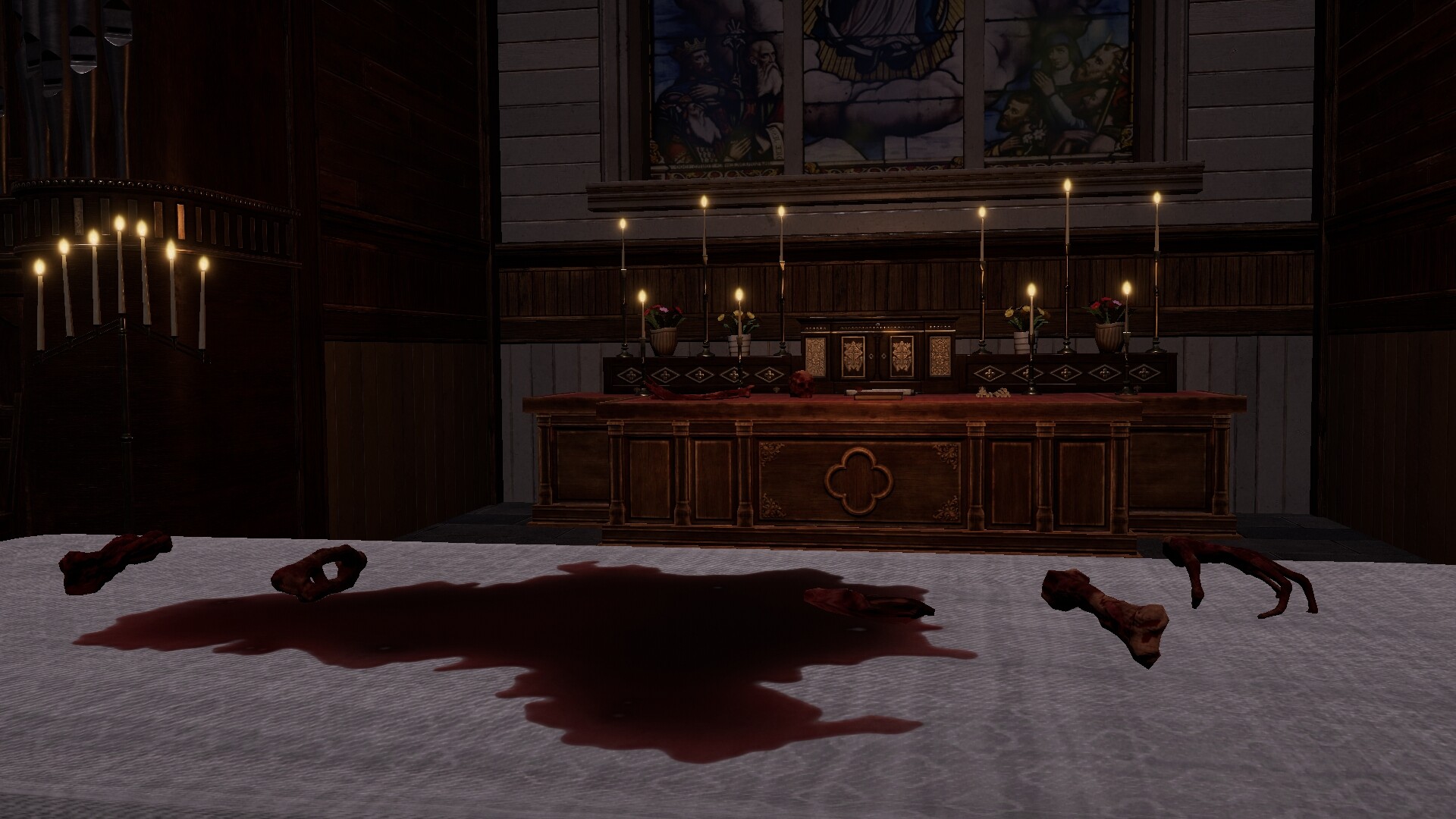
Built by Steadyturtle Co., Ltd., Trace of the Villa blends adventure and action trimmings with a narrative puzzle structure. The mansion is presented as intentionally depopulated of personal identifiers—rooms appear furnished but with names and photographs removed—so the primary mechanic becomes forensic: piece together manifests, encrypted documents and suspicious transfer records to map arrivals, departures and the property’s role in a larger operation.
When and where to play
Trace of the Villa released on 28 May, 2026 for PC via Steam. You can view the store page here:
View Trace of the Villa on Steam
Why the power-unlock-evidence loop matters
The game explicitly ties forward momentum to restoring electrics and secured systems. As the official description states: “When Jin restores power to the estate, the house begins to reveal what it was hiding. Secured systems come back online. Hidden compartments unlock. Safes yield fragments of encrypted documents and suspicious transfer records.” That sequence turns environmental reading into mechanical reward: electricity equals information, and information equals new spaces and puzzles. It’s a tidy loop for players who enjoy chained clues where one solved device or restored circuit literally opens the next chapter of the investigation.
How progression and puzzle chains work — what to expect
The progression model is anchored in chained discovery rather than isolated minipuzzles. Expect to:
- Search furnished rooms for manifests and hints that lack straightforward identifiers, then assemble those fragments into a timeline.
- Prioritise restoration tasks—power or system resets—that reactivate locked infrastructure and digital records.
- Follow financial traces and falsified identities found in safes and encrypted documents to widen the investigative net.
This is the sort of design where reading labels, cross-referencing manifests, and noticing small inconsistencies in the environment reward you with new areas and metadata rather than a simple “solve-this-switch” moment. The game’s categories (Single-player, Subtitle Options, Playable without Timed Input) suggest a deliberate pace and accessibility options for players who prefer careful deduction over speedruns.
Player scenarios — does this fit your playstyle?
Scenario A — The environmental detective
You like to catalog items, annotate connections, and feel rewarded when a map of motives emerges. The power-restoration loop and encrypted fragments should make you feel like a methodical investigator: every restored circuit produces a trace worth following.
Scenario B — The narrative-first player
If you play for atmosphere and story tone—mansion mystery, slow-burn suspense, psychological investigation—the setting (rooms furnished but identity stripped) will provide the tone you want. The game’s reveal structure supports a paced, narrative climb rather than quick shocks.
Scenario C — Action-oriented or co-op fans
Trace of the Villa is a single-player, narrative-driven experience. Players who prefer cooperative escape-room simulations or rhythm/action emphasis may find the pacing and puzzle chaining different from their usual tastes (see comparisons below).

How it compares — quick editorial chart
| Title | Genre | Atmosphere & pacing | Puzzle focus | Exploration style / player fit |
|---|---|---|---|---|
| The Room | Adventure, Indie | Claustrophobic, tactile, puzzle-paced | Mechanical safes and layered physical puzzles | Single-player players who like handcrafted, object-driven puzzles |
| The Room Two | Adventure, Indie | Similarly atmospheric with a slower narrative drip | Sequential, interlocked puzzle chambers | Players expecting curated, solitary puzzle experiences |
| Escape Simulator | Adventure, Casual, Indie, Simulation | Light-hearted to tense depending on room; variable pacing | High interactivity, room-focused escape puzzles | Good for players who like interactive object manipulation and co-op |
| Hi‑Fi RUSH | Action | Fast, beat-driven, vivid | Rhythm and action systems, not environmental puzzles | Players who prefer high-energy action and music-synced combat |
YouTube discovery
For trailer and gameplay discovery, use YouTube search rather than relying on unverified embeds: Find Trace of the Villa trailer and gameplay searches on YouTube.
Leave a Reply