
Trace of the Villa: an escape-room style mystery built around power, unlocking, and reconstruction
Trace of the Villa (Steadyturtle Co., Ltd.) drops you into a decaying mansion where Jin — searching for his missing sister — must restore systems, open sealed spaces, and piece together encrypted fragments to follow a trail that may still lead to her. The core loop trades twitch reflexes for locked‑room thinking: restore power, watch the environment change, and chain clues into an emergent timeline.

At a glance: what Trace of the Villa is
Trace of the Villa is an atmospheric mystery adventure with an emphasis on environmental storytelling and puzzle-driven investigation. It frames its investigation around practical systems: power, locks, safes and secured systems that only reveal their secrets once the estate’s infrastructure is brought back online.
| Title | Trace of the Villa |
|---|---|
| Release date | 28 May, 2026 |
| Developer | Steadyturtle Co., Ltd. |
| Publisher | Steadyturtle Co., Ltd. |
| Genres | Action, Adventure, Indie |
| Steam categories | Single-player; Color Alternatives; Custom Volume Controls; Playable without Timed Input; Subtitle Options; Family Sharing |
| Steam appid | 3483660 |
Who this is for
If you favor slow‑burn suspense, patient clue‑work and environmental reading over action setpieces, Trace of the Villa targets that playstyle. It’s for players who like to treat spaces as archives — noting what’s present, noticing what’s absent, and reconstructing a story from objects, logs and secured records. Locked‑room puzzle fans and solo narrative investigators who appreciate deliberate pacing will find the loop — find the failure (power off), restore the system, unlock the next layer — satisfying.
When and where
Trace of the Villa is available on Steam; it released on 28 May, 2026. The Steam store page lists the developer and publisher as Steadyturtle Co., Ltd., and the appid is 3483660.
Why the theme matters — power as a game designer’s lever
Restoring power as a central mechanic does more than light rooms. According to the official description, when Jin restores power the estate “begins to reveal what it was hiding”: secured systems come back online, hidden compartments unlock, and safes yield fragments of encrypted documents and suspicious transfer records. That design choice turns infrastructure into a narrative throttle: every system you reactivate is both a practical unlock and a story beat — a controlled reveal that scaffolds clue chains rather than dumping exposition.
How progression and puzzles are structured
Progression leans on three interlocking activities:
- Restoration: repairing or powering systems to change the environment and access new interactions.
- Unlocking: physical and electronic locks, hidden compartments and safes that require environmental context or recovered manifests to open.
- Reconstruction: assembling encrypted document fragments, financial trails and manifests into a coherent timeline that reframes previous rooms and clues.
That sequence rewards locked‑room thinking — treat each closed door, powered terminal, or empty bookshelf as a node in a broader chain. The game’s puzzles appear designed to push players into reading context (what’s missing from a room), chaining small discoveries into a deduction, and using regained systems to corroborate or contradict earlier hypotheses.
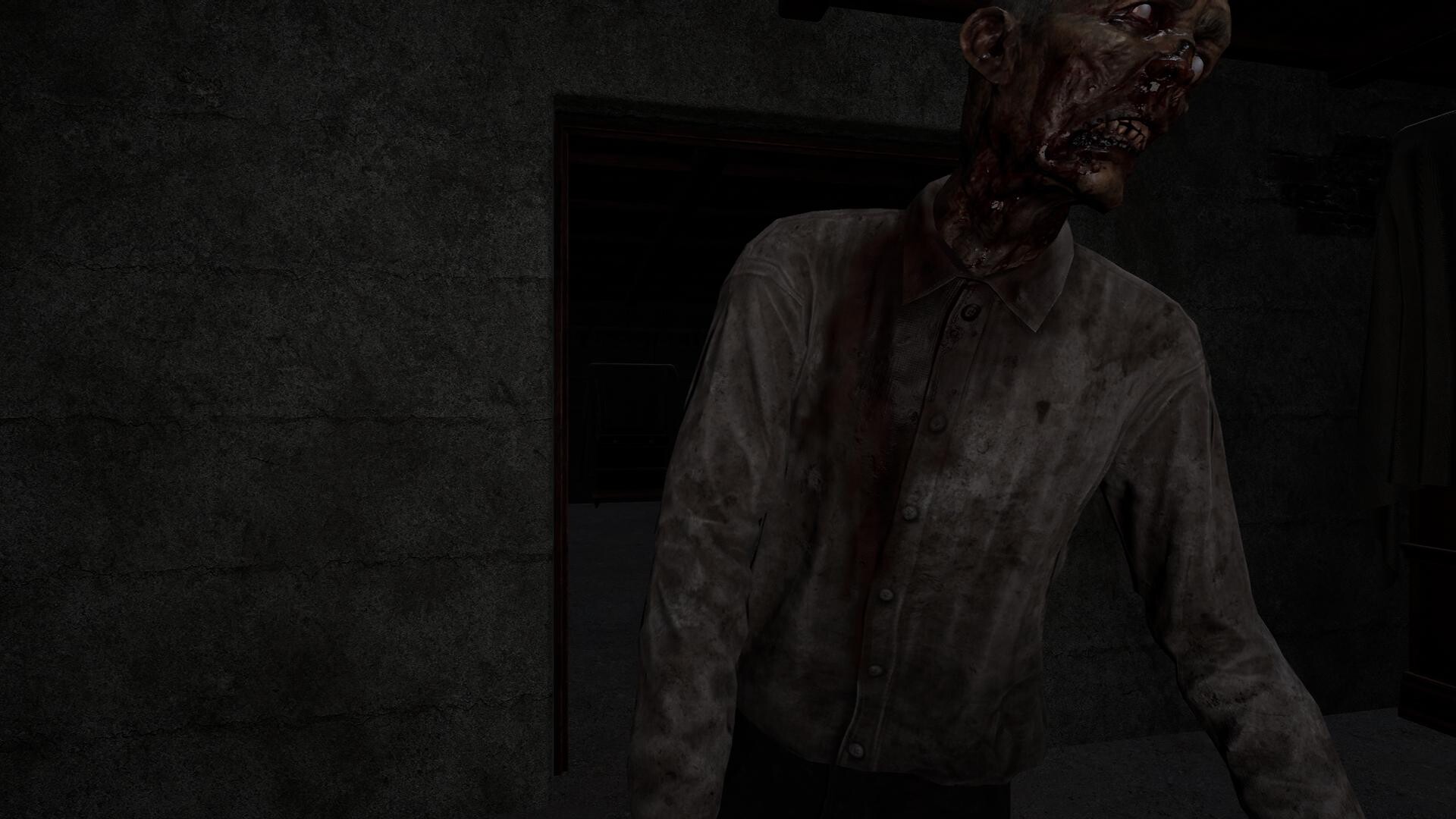
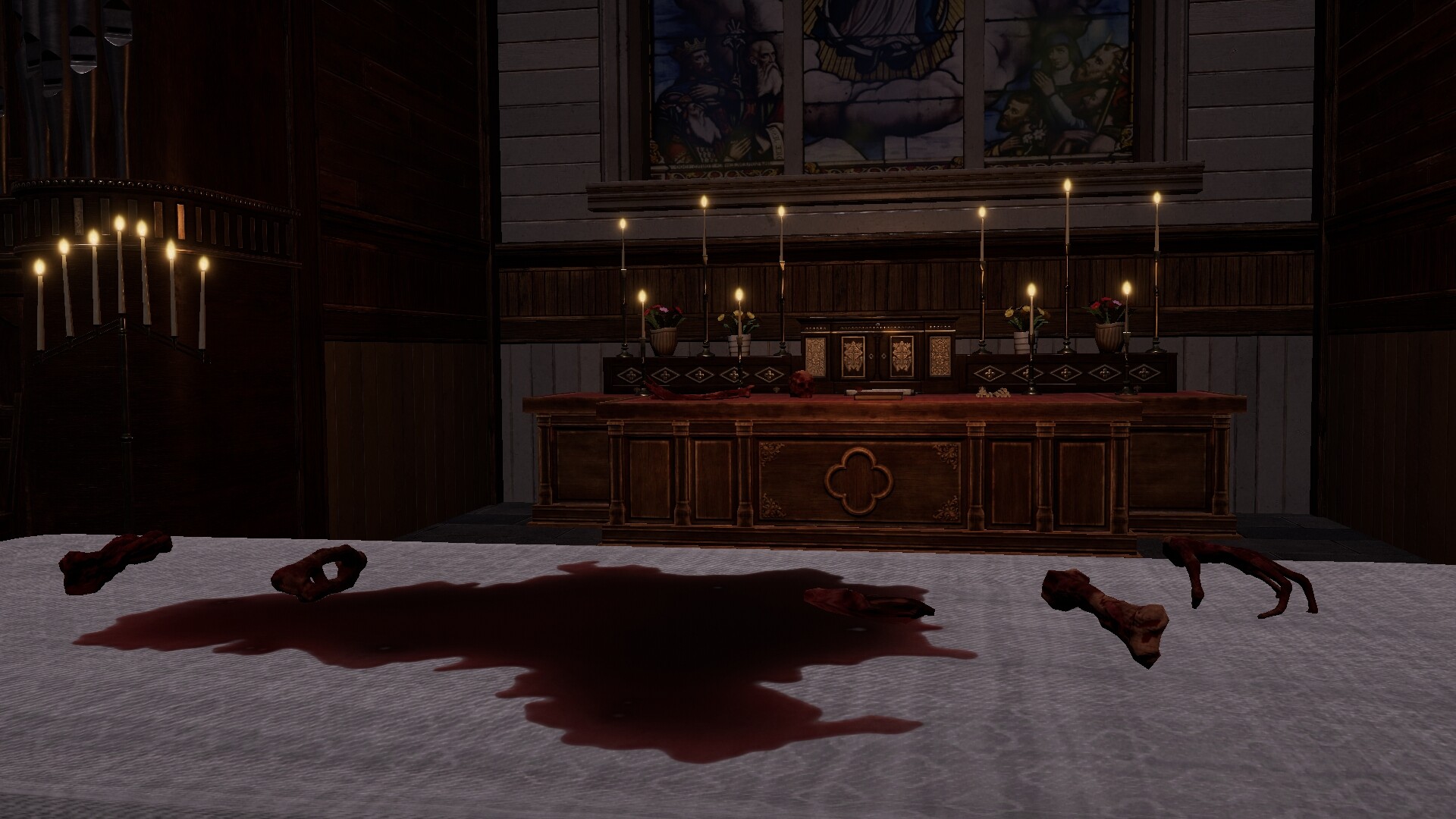
Player scenarios — who will enjoy what
- The evidence‑assembler: You enjoy cataloguing fragments, cross‑referencing manifests and reconstructing timelines. Expect the game to hand you pieces that must be combined into a narrative rather than solved in isolation.
- The locked‑room fan: You appreciate puzzles that are spatial and contextual. Rooms operate as puzzles in themselves: restoring power reveals interactions that shift how you interpret previously explored spaces.
- The atmospheric explorer: You value mood and detail. The mansion’s staged domesticity — furnished rooms with conspicuously absent names or photos — is intended to unsettle and to drive curiosity.
- The impatient action player: If you prefer fast combat or setpiece-driven progression, Trace of the Villa’s investigative pacing may feel deliberate; its loop prioritizes reading and deduction over reflex challenges.
How it compares — lawful editorial discovery
Below is a compact comparison against a few nearby titles chosen for their relevance to puzzle, exploration and atmosphere. This is an editorial contrast of design and player fit, not a claim of superiority.
| Title | Genre / Tone | Puzzle focus | Exploration & pacing | Player fit |
|---|---|---|---|---|
| Trace of the Villa | Action / Adventure / Indie — mansion mystery, investigative tone | Restore systems, unlock spaces, reconstruct evidence (clue chains) | Deliberate, layered reveals triggered by restoring power | Players who like environmental storytelling and locked‑room deduction |
| The Room (series) | Adventure / Indie — intimate, mechanical puzzle boxes | Mechanical object puzzles, focus on tactile puzzle devices | Compact, concentrated rooms with immediate puzzle payoff | Players who prefer handcrafted single‑object puzzles and tactile problem solving |
| Escape Simulator | Adventure / Simulation / Indie — interactive escape rooms | Highly interactive environments, physics and object manipulation | Room‑by‑room design, often faster‑paced puzzle loops; supports co‑op | Players who enjoy interactive puzzles, moving furniture, or co‑op escape design |
| Hi‑Fi RUSH | Action — rhythm‑led, fast‑paced combat (different tone) | Puzzle elements secondary to beat‑matched action and combat | Upbeat, fast pacing focused on setpieces and timing | Players seeking high‑tempo action and music‑synchronised systems rather than slow investigation |
Decide whether to wishlist
Wishlist Trace of the Villa if you want a Steam indie mystery that privileges environmental reading, careful deduction, and a central gameplay loop that intentionally uses systems restoration as narrative gating. Consider waiting or skipping if you want quick puzzles, heavy combat, or multiplayer escape‑room chaos; this is presented as a single‑player, story‑dr
Steam page
View Trace of the Villa on Steam
YouTube discovery
For trailer and gameplay discovery, use YouTube search rather than relying on unverified embeds: Find Trace of the Villa trailer and gameplay searches on YouTube.
Leave a Reply