
Trace of the Villa — an escape-room style mystery built around power, locks, and reconstructed evidence
Trace of the Villa places you in Jin’s solitary search for a missing sister inside a remote, decaying mansion where restoring systems literally illuminates new clues. The gameplay loop emphasises rebooting power and secured systems, unlocking rooms and safes, and piecing together manifests, encrypted documents, and transfer records to reconstruct what happened.

Quick facts
| Title | Trace of the Villa |
|---|---|
| Steam App ID | 3483660 |
| Release date | 28 May, 2026 |
| Developer / Publisher | Steadyturtle Co., Ltd. |
| Genres | Action, Adventure, Indie |
| Notable Steam categories | Single-player; Color Alternatives; Custom Volume Controls; Playable without Timed Input; Subtitle Options; Family Sharing |
What Trace of the Villa is
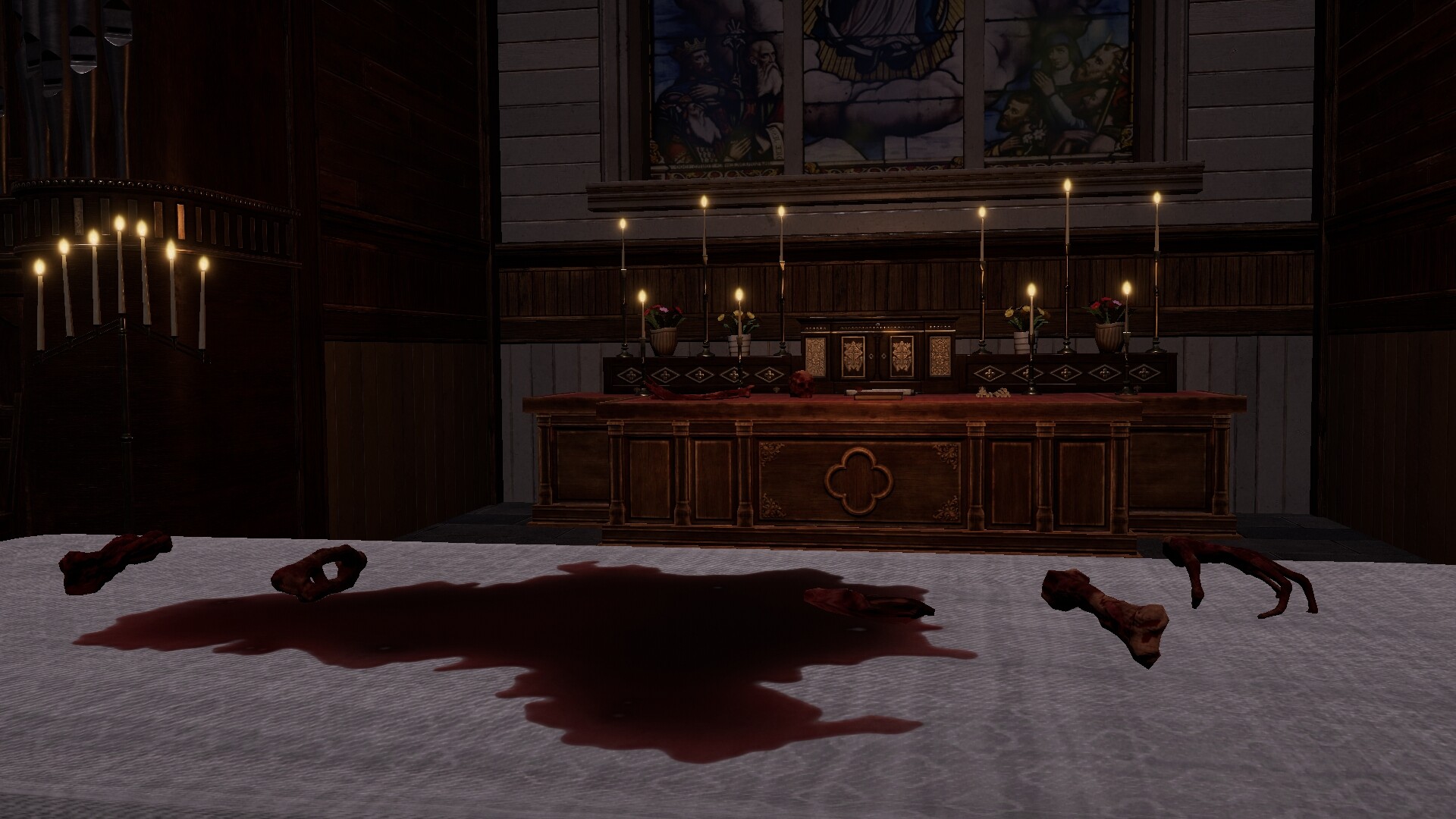
According to its Steam listing, Trace of the Villa casts you as Jin, a man whose long search for a missing sister leads to an estate cut off from the grid. The mansion is furnished but scrubbed of names and photographs; locked doors, secured systems, safes and encrypted fragments hint at an organised effort to remove identities. Restoring power is a core mechanical and narrative hinge: when electricity returns, systems reanimate, hidden compartments open and new evidence surfaces.

Who should wishlist it
Players who enjoy slow-burn, story-rich adventures driven by environmental storytelling and chained clues will find the premise appealing. If you like methodical locked-room thinking — restoring a dead house, following a chain of evidence, and translating manifests into leads — Trace of the Villa maps directly onto that playstyle. The inclusion of accessibility options (color alternatives, custom volume controls, subtitle options and play without timed input) suggests it’s designed for a thoughtful, patient audience rather than twitch-focused action seekers.
When and where
Trace of the Villa released on Steam on 28 May, 2026. It’s listed on Steam as an Action / Adventure / Indie title and is presented as a single-player experience on PC.
Why the power-and-unlock loop matters
Thematically and mechanically, the act of restoring power ties the player’s investigation to tangible progression. Power reactivation is not just a gate; it’s an information reveal mechanic: security systems, safes and encrypted fragments only become readable once systems come back online. That design choice turns every repair into an evidentiary breakthrough and enforces a clue-chain rhythm — solve a systems puzzle, open a room, gather documents, then interpret them to locate the next locked target.
How you read clues and progress
Trace of the Villa layers three investigative behaviours: environmental reading, document reconstruction, and system reactivation. You’ll move through rooms that look recently occupied but scrubbed for identity, inspect personal belongings for contextual hints, locate manifests and transfer records, and piece together encrypted fragments recovered from safes. Progress emerges through chains: a restored circuit enables a console, the console unlocks a closet or safe, and the safe yields a fragment that reframes where to look next. The Steam description emphasises discovery through reactivation — secured systems and hidden compartments literally unlock the next stage of the mystery.
Player scenarios — who will like the feel
- The methodical reader: You enjoy cataloguing traces — receipts, transfer records, encrypted documents — and constructing timelines from sparse evidence. The game’s manifest-driven reveals reward close attention.
- The patient puzzler: You prefer interconnected, multi-step puzzles where an action in one room can cascade to another. The power/reactivation loop supports satisfying cause-and-effect problem solving.
- The atmospheric explorer: You value mood and architecture; a decaying mansion full of staged rooms and missing names is an ideal stage for environmental storytelling.
- The completionist investigator: You want to reconstruct a full chain of events and don’t mind backtracking once a new system comes online to re-check previously inert locations.
How it compares — compact editorial table
| Game | Puzzle focus | Exploration style | Story tone / pacing | Best for players who… |
|---|---|---|---|---|
| Trace of the Villa | Power reactivation, safes, encrypted documents, manifest reconstruction (clue chains) | Single-player, mansion interiors; locked rooms unlock as systems revive | Slow-burn, investigative, suspenseful | Prefer environmental storytelling and chained evidence work |
| The Room | Mechanical puzzles centered on a single, ornate safe and strange devices (locked-puzzle focus) | Closed, focused puzzle room(s) with handcrafted mechanisms | Atmospheric, intimate mystery; puzzle-centric pacing | Enjoy tactile, object-based puzzling and concentrated lock puzzles |
| The Room Two | Similar mechanical/puzzle emphasis extended into more rooms and devices | Expanded set pieces and environments linked by a central mystery | Continuing atmospheric mystery with deliberate pacing | Fans of meticulous puzzle design and evolving mechanical challenges |
| Escape Simulator | Highly interactive escape-room puzzles; physics and object manipulation | Room-by-room escape scenarios, solo or co-op, with an emphasis on interaction | Variable pacing depending on room design; often playful and experimental | Like physical interaction, co-op creativity, and user-made rooms |
| Hi‑Fi RUSH | Action and rhythm-based combat rather than investigative puzzles | Action-oriented levels synced to music | Fast, beat-driven pacing with a brighter, action tone | Steam page
Leave a Reply