
Trace of the Villa — an escape-room style mystery built around power, doors, and evidence
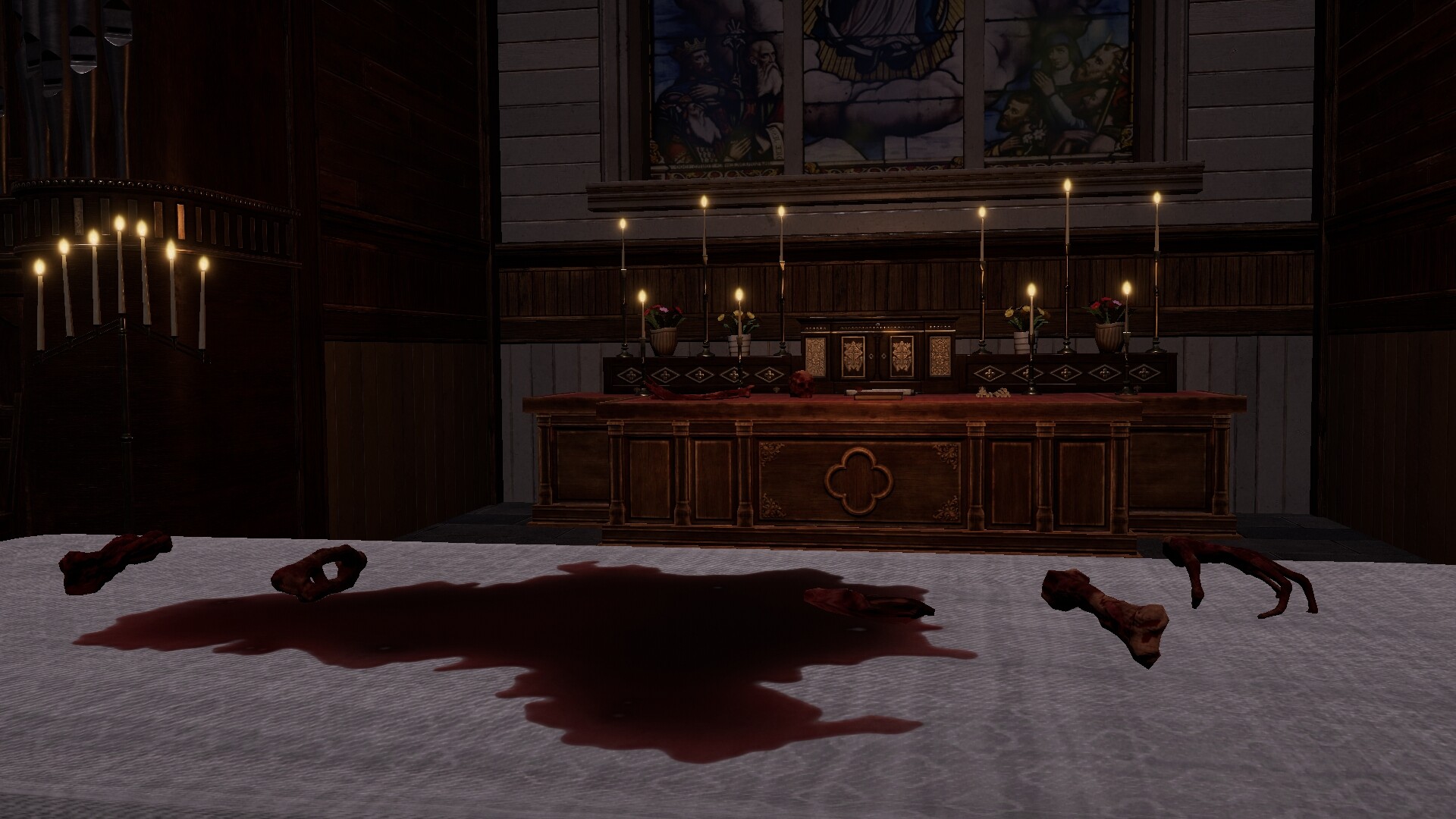
Trace of the Villa puts you in Jin’s shoes: a slow-burn, atmospheric mystery adventure where restoring power is the key to unlocking a mansion’s sealed past. The Steam release (28 May, 2026) from Steadyturtle Co., Ltd. mixes environmental storytelling with clue-chain puzzles that reward careful reading of rooms and recovered documents.

Quick facts
| Title | Trace of the Villa |
|---|---|
| Steam AppID | 3483660 |
| Release date | 28 May, 2026 |
| Developer / Publisher | Steadyturtle Co., Ltd. |
| Genres | Action, Adventure, Indie |
| Key categories | Single-player; Color Alternatives; Custom Volume Controls; Playable without Timed Input; Subtitle Options; Family Sharing |
Who this is for
If you enjoy atmospheric mystery adventure and narrative puzzle design—players who like to read rooms, piece together paper trails, and prefer clue-driven exploration over twitch action—Trace of the Villa is aimed at you. Fans of psychological investigation and slow-burn suspense who want story beats unlocked by mechanical progression (power, safes, systems) should consider adding this to their wishlist.
What the game actually is
You play as Jin, a protagonist searching for his missing sister. The core loop centers on restoring power to a remote, deliberately forgotten mansion; when systems come back online, secured systems, hidden compartments and safes begin to yield fragments of encrypted documents and suspicious transfer records. Puzzles and environmental clues form chains: restoring one circuit can unlock a door that provides context for an item you found earlier, which in turn lets you decode a manifest or access a locked terminal.

When and where
Trace of the Villa is available on Steam as of 28 May, 2026. The store page lists the developer and publisher as Steadyturtle Co., Ltd., and the Steam listing confirms single-player and accessibility options such as subtitle support and customizable audio.
Why the theme matters
A mansion “cut off from the grid” is a natural playground for locked-room thinking: absence of external records pushes the player to treat the house itself as the archive. The narrative emphasis—missing people, falsified identities, suspicious transfers—gives weight to puzzle outcomes. Restoring power is not just a mechanic; it’s a storytelling device that turns passive set dressing into active evidence. When systems boot and safes open, the world shifts from static tableau to unfolding investigation.
How you progress — the investigative loop
Progression is built around interlocking systems:
- Restore circuits or generators to power sections of the mansion.
- Use powered devices to access locked storage, decrypt fragments, or trigger mechanisms.
- Reconstruct manifests and transfer records to build timelines and identify anomalies.
- Follow clue chains: an unlocked corridor leads to an item that decodes a document revealing the next location or system to re-enable.
That emphasis on “read, restore, reveal” rewards players who catalog evidence instead of skipping ahead—typical of escape-room style mystery games but with a narrative spine centered on Jin’s search.
Player scenarios — who’ll enjoy this and when to play
- Solo late-night investigation: If you like one-session mysteries where careful note-taking pays off, play in a single sitting to keep clues fresh.
- Break-apart puzzle sessions: The power/unlock loop allows natural stopping points—power a wing, catalog findings, return later to follow new leads.
- Evidence collectors: Players who savor reconstructing timelines from fragments and encrypted documents will be most satisfied.
- Not for speedrunners: The game emphasizes reading and pacing over reflex-based challenges; it’s built for atmosphere and deduction rather than timed input stress (and Steam lists it as playable without timed input).
How it compares to nearby mystery and puzzle games
Below is an editorial comparison focused on genre, atmosphere, puzzle style, exploration, and pacing to help you decide how Trace of the Villa fits your shelf next to similar titles.
| Title | Core focus | Puzzle style | Atmosphere & tone | Pacing / Player fit |
|---|---|---|---|---|
| Trace of the Villa | Narrative puzzle exploration centered on restoring power and reconstructing evidence | Clue chains, environmental reading, document reconstruction, system reactivation | Slow-burn, unsettling mansion mystery with forensic undertones | Deliberate, investigative; for players who prefer story-driven puzzles |
| The Room | Single-room mechanical puzzle escape | Physical manipulation of intricate mechanical devices and safes | Closed, tactile mystery—intimate and curios-driven | Focused puzzle sessions; players who love tactile, object-based solutions |
| The Room Two | Expanded mechanical-puzzle exploration across connected locales | Object-centric puzzles that build on The Room’s mechanical logic | Mysterious and atmospheric with cryptic artifacts | Fans of layered mechanical puzzles and serialized discovery |
| Escape Simulator | Highly interactive escape rooms, solo or co-op | Hands-on interaction, scene manipulation, community rooms | Varied tones—can be playful or tense depending on room | Good for players who want physics-based interaction and co-op options |
| Hi-Fi RUSH | Action rhythm game—different genre, included for contrast | Rhythm-timed combat and exploration | Bright, kinetic, humorous—opposite of mansion mystery tone | Players seeking high-octane action and musical sync, not investigative pacing |
Where to learn more (YouTube discovery)
Steam page
View Trace of the Villa on Steam
YouTube discovery
For trailer and gameplay discovery, use YouTube search rather than relying on unverified embeds: Find Trace of the Villa trailer and gameplay searches on YouTube.
Leave a Reply