
Trace of the Villa — an escape-room style mystery built on restoring power and reading a house like evidence
An atmospheric mystery adventure about Jin’s search for a missing sister, Trace of the Villa asks you to repair a ruined estate’s systems, open locked spaces, and stitch together fragments of a carefully erased past. The gameplay loop pivots on restoring power, unlocking rooms and safes, and reconstructing documentary evidence to move the investigation forward.

Who should wishlist Trace of the Villa?
- Players who prefer slow-burn suspense and environmental storytelling over action-led sequences.
- Fans of clue-driven exploration and locked-room puzzle logic, where each newly accessible space yields tangible evidence.
- People who enjoy narrative puzzle design that ties mechanical progress (power, locks, safes) directly to story beats and revelations about identity and movement.
What the game is
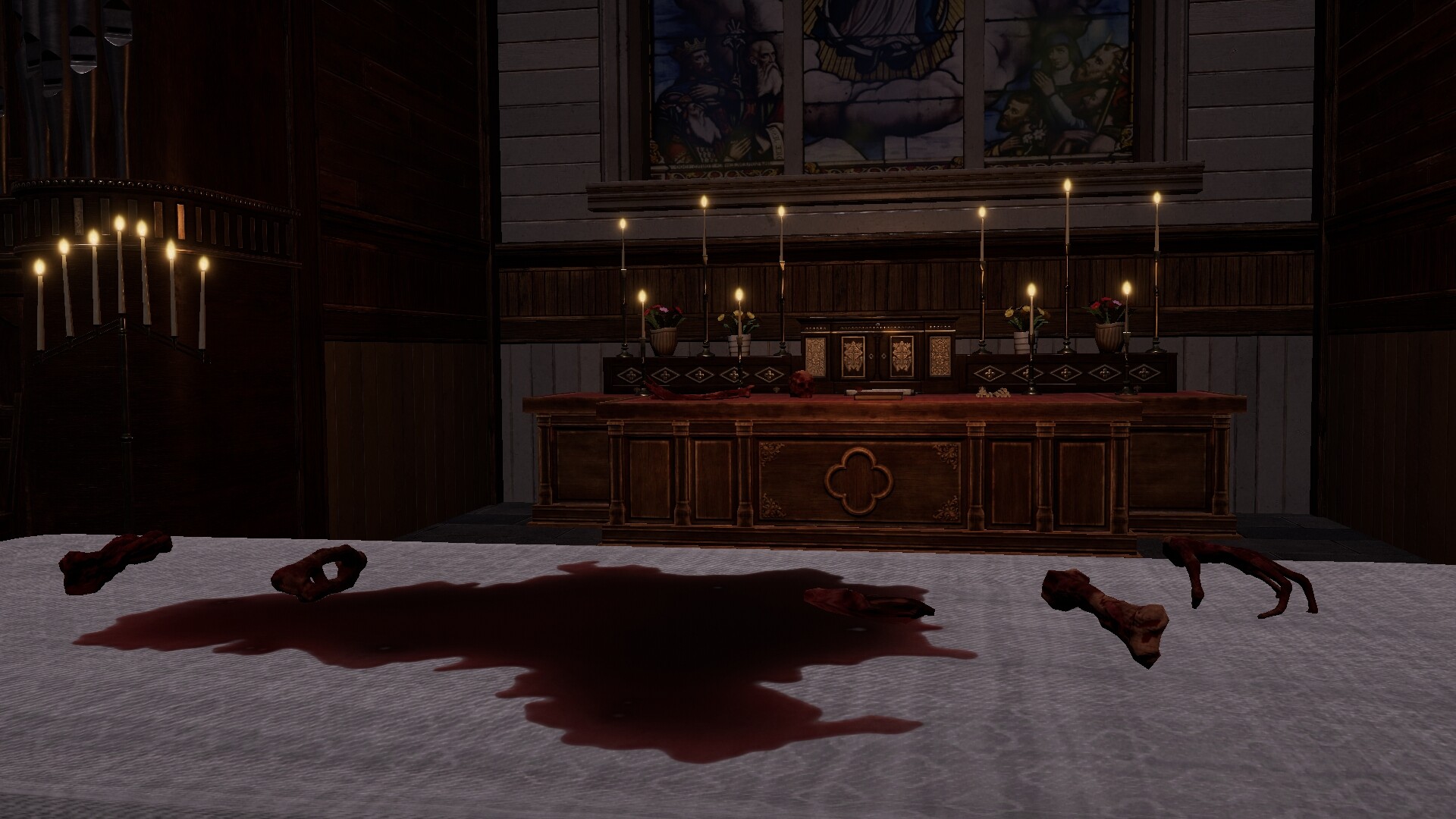
Trace of the Villa is a single-player Action / Adventure indie on Steam developed and published by Steadyturtle Co., Ltd. The premise centers on Jin, who follows a lead to a remote, decaying mansion after years searching for his missing sister. Inside, the estate is “deliberately forgotten”: furnishings remain, identities seem erased, and secured systems hold the keys to the next reveal.
When and where
Trace of the Villa released on 28 May, 2026 and is available on Steam for PC. You can view the store page for details and wishlist it on Steam.
Why the theme matters — a narrative reason for locked-room mechanics
Thematically, the mansion’s erasure of records and people pairs naturally with a gameplay loop built around restoration: flipping breakers, bringing systems back online, and forcing a sealed environment to cough up its traces. Restoring power is not just a progression gate; it’s an investigative tool. Secured systems returning to life reveal hidden compartments, allow safes to be examined, and surface encrypted fragments that form a chain of clues. That design ties puzzle solves to narrative discovery rather than abstract challenge alone.
How you read the environment and progress
According to the Steam description, Jin’s process of discovery uses three interlinked actions:
- Restore power to the estate so secured systems come back online.
- Use newly active mechanisms and unlocked spaces to access hidden compartments and safes.
- Collect fragmented documents and manifests, then reconstruct timelines and financial traces to follow where identities and people were moved.
Play will feel like an escape-room investigation where the “puzzles” are both mechanical (rewiring, code-cracking, unlocking) and interpretive (reading transfer records, piecing encrypted fragments into narrative threads). The developer frames this as a mystery that grows from environmental evidence rather than explicit expository cutscenes.

Compact facts — Trace of the Villa
| Title | Trace of the Villa |
|---|---|
| Steam AppID | 3483660 |
| Release Date | 28 May, 2026 |
| Developer | Steadyturtle Co., Ltd. |
| Publisher | Steadyturtle Co., Ltd. |
| Genres | Action, Adventure, Indie |
| Categories | Single-player; Color Alternatives; Custom Volume Controls; Playable without Timed Input; Subtitle Options; Family Sharing |
| Short Premise | Jin follows leads to a decaying mansion and, by restoring power, reveals secured systems, hidden compartments and encrypted documents that suggest people were moved under strict control. |
Player scenarios — who will get the most from the loop
- Evidence-focused investigator: You enjoy reading documents, cross-referencing manifests, and using small reveals to update your mental map of events. The power→unlock→reconstruct rhythm will feel rewarding.
- Puzzle-first explorer: If you prefer tactile mechanical puzzles (wiring, lock puzzles, circuitry) that open new spaces to explore, this aligns with that appetite while keeping narrative stakes tied to each mechanical solve.
- Atmosphere-first player: If slow atmospheric tension and a sense of erasure—rooms staged as if occupants vanished—are what you want, the mansion setting is pitched to deliver that mood alongside puzzle loops rather than quick shocks.
- Not ideal if: You want fast-paced combat or continuous action set pieces; the Steam tags and description steer toward investigative, environmental pacing.
How it compares to nearby mystery and puzzle games
| Title | Genre | Puzzle focus | Atmosphere & pacing | Player fit |
|---|---|---|---|---|
| The Room | Adventure, Indie | Mechanical puzzle boxes and tactile manipulation | Claustrophobic, deliberate pacing; single-room intensity | Players who like tactile, handcrafted puzzles and focused, solitary mystery |
| The Room Two | Adventure, Indie | Extended mechanical puzzles across interconnected set pieces | Broader scope than the first; slow-burn, immersive | Fans of sequential puzzle narrative and atmospheric set pieces |
| Escape Simulator | Adventure, Casual, Indie, Simulation | Highly interactive rooms, physics, community-made designs | Variable—from playful to tense depending on room; faster interactions | Players who want interactive object manipulation and social/room variety |
| Hi-Fi RUSH | Action | Rhythm-based combat and action systems (not puzzle-first) | Upbeat, fast-paced; high tempo | Players seeking action and music-driven mechanics rather than environmental mystery |
Editorial note: Trace of the Villa sits closer to The Room series in its commitment to puzzle-as-object and to Escape Simulator in interactive exploratory elements, but it frames those mechanics around investigative restoration—power, unlocked systems, and reconstructed records—rather than standalone puzzle boxes or party-room escapism.
YouTube discovery
Search for trailers and gameplay using this query on YouTube: Trace of the Villa trailer & gameplay (YouTube search). This is a discovery path — individual videos should be checked for whether they are official or community uploads.
Leave a Reply