
Trace of the Villa — a locked-mansion mystery built around restoring power and reading a house like evidence
Trace of the Villa places you in Jin’s search for a missing sister inside a remote, deliberately erased mansion where restoring power is the first act of investigation. The gameplay loop ties locked-room thinking and environmental clue-chaining to a slow-burn unraveling of falsified identities and secured systems.

Quick facts
| Title | Trace of the Villa |
|---|---|
| Developer / Publisher | Steadyturtle Co., Ltd. |
| Release date | 28 May, 2026 |
| Genres | Action, Adventure, Indie |
| Categories | Single-player; Color Alternatives; Custom Volume Controls; Playable without Timed Input; Subtitle Options; Family Sharing |
| Steam page | Trace of the Villa on Steam |
Who this is for
If you prefer narrative puzzle design that rewards methodical observation, Trace of the Villa targets players who like atmospheric mystery adventure and environmental storytelling over twitch reflexes. The game’s single-player focus and explicit support for “playable without timed input” make it suitable for players who enjoy slow-burn suspense, forensic-style clue chaining, and reading spaces as evidence.
What the game is
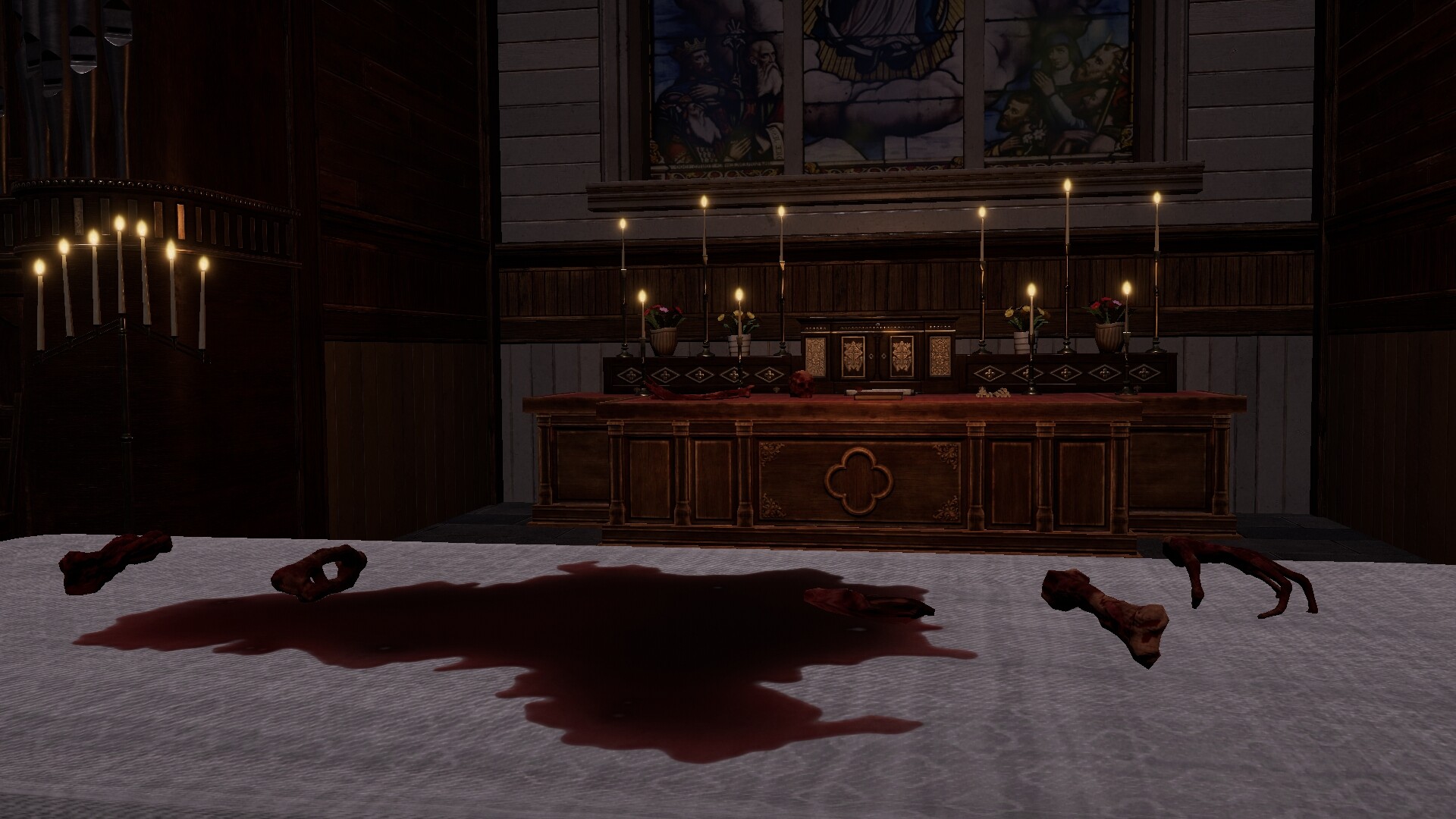
Officially billed as a story where “Jin has spent years searching for his missing sister,” Trace of the Villa sends you into a decaying, off-grid mansion. The estate feels “less abandoned than erased,” and the primary mechanical hook is restoring power to the property so secured systems and hidden compartments begin to reveal their contents. Puzzles unlock safes and encrypted fragments; manifests and suspicious transfer records connect to a larger concealed operation.

When and where
Trace of the Villa launched on Steam on 28 May, 2026. It’s presented as an indie Action/Adventure for PC and lists single-player-focused categories such as subtitle options, color alternatives, and the option to play without timed input, making it accessible to a broad set of Steam players.
Why the theme matters — restoring power as an investigative rhythm
Thematically, bringing the lights back does more than illuminate a room: it reactivates the mansion as a narrative machine. In Trace of the Villa, powering systems is the structural beat that converts isolated puzzles into a chain of revelations. When a security panel powers up, a locked database becomes solvable; when a safe opens, a transfer record points to the next lead. That rhythm makes the mansion itself a collaborator in the investigation rather than a static backdrop.
How you progress — reading the environment and chaining clues
Progression is built on locked-room thinking and environmental reading. Expect to locate physical clues (manifests, safes, personal effects) and system-level artifacts (powered terminals, secured compartments) that interlock into a timeline. The official description notes players will “piece together the timeline” and uncover patterns like “arrivals without records” and “departures without witnesses” — meaning reconstructing events from scattered, often partial evidence is the primary puzzle loop.
Player scenarios — concrete playstyles
- The Methodical Forensic: You’ll spend time mapping where evidence found in one room corroborates logs unlocked elsewhere. Restoring power and cataloguing digital artifacts is your core loop.
- The Explorer-Observer: You prefer slow pacing and atmospheric detail; you read objects and room staging to infer the missing persons and erased identities the mansion implies.
- The Puzzle-Chain Enthusiast: You enjoy sequences where one unlocked system immediately suggests the next action — a tactile chain of cause and effect that rewards connecting dots across the estate.
Comparison: where Trace of the Villa fits among escape-room and mystery games
| Title | Genre / Focus | Puzzle style | Atmosphere & Pacing | Player fit |
|---|---|---|---|---|
| Trace of the Villa | Action / Adventure / Indie — single-player | Environmental clue chains, system reactivation, safes & encrypted fragments | Mansion mystery, slow-burn suspense, investigative rhythm built around power restoration | Players who like narrative-led, forensic-style exploration |
| The Room | Adventure / Indie | Tactile puzzle boxes and mechanical contraptions | Cryptic, focused puzzle tension; solitary and immediate | Fans of intricate, self-contained puzzle devices |
| The Room Two | Adventure / Indie | Extended puzzle-box sequences with layered mechanics | Atmospheric, slow-unfolding mystery with a puzzle-first cadence | Players who enjoy a sequence of escalating puzzle environments |
| Escape Simulator | Adventure / Casual / Indie | Highly interactive escape rooms; physics, inventory interaction, community-made rooms | Varied pacing depending on room; can be co-op or solo and more playful | Those who want mechanical manipulation, cooperative solves, and sandbox room design |
Takeaway: if your preference is connecting narrative fragments across a single, coherent environment and you like the idea of flipping breakers to force the mansion to talk, Trace of the Villa aligns with that locked-room, clue-chain approach more than box-based tactile puzzles or community room sandboxes.
YouTube discovery
For trailers and gameplay searches, try the official YouTube discovery path: search Trace of the Villa trailer & gameplay on YouTube. Note: that link is a search path; confirm video provenance on the publisher’s channel where available.
How to wishlist / Steam link
If this description matches your taste, add Trace of the Villa to your Steam wishlist: https://store.steampowered.com/app/3483660/Trace_of_the_Villa/
Referenced image and screenshots courtesy of Trace of the Villa on Steam. The game is developed and published by Steadyturtle Co., Ltd.; release date: 28 May, 2026.
Disclaimer: referenced titles and trademarks belong to their respective owners. Comparisons are editorial discovery only and do not imply endorsement or affiliation.
Leave a Reply