Trace of the Villa — an escape-room style mystery that powers on the story as you restore it
Trace of the Villa is a story-rich, clue-driven adventure that asks players to restore power to a deliberately forgotten mansion and piece together the paper trail of people who vanished. It frames locked-room thinking and environmental reading around a concrete gameplay loop: power up, unlock sealed spaces, and reconstruct fragmented evidence.

| Title | Trace of the Villa |
|---|---|
| Developer / Publisher | Steadyturtle Co., Ltd. |
| Release date | 28 May, 2026 |
| Genres / Tags | Action, Adventure, Indie — Single-player; Color Alternatives; Custom Volume Controls; Playable without Timed Input; Subtitle Options; Family Sharing |
| Where to find it | Trace of the Villa on Steam |
Who this is for
If you favor atmospheric mystery adventure and methodical environmental storytelling over twitch reflexes, Trace of the Villa targets you. The premise centers on Jin, who has spent years searching for his missing sister and follows a lead to a decaying mansion; the game is positioned for players who enjoy psychological investigation and clue-driven exploration inside confined, layered spaces.
What the game is
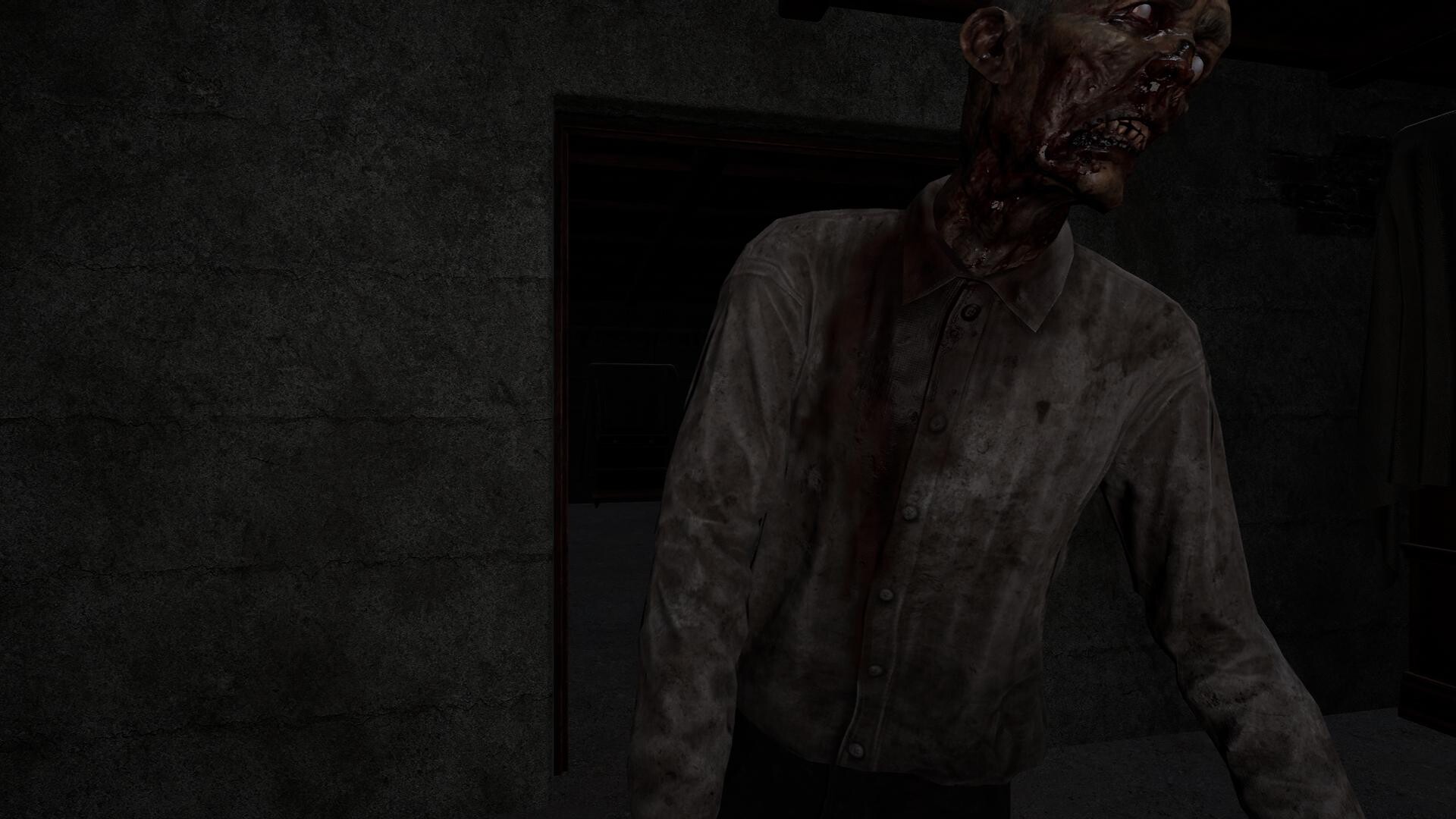
Officially described as an investigation through a remote, decaying mansion, Trace of the Villa builds its narrative around recovered manifests, encrypted fragments, and systems that reveal their contents once power is restored. The mansion feels less abandoned than erased: furnished rooms with missing names and falsified records point to a broader operation rather than a simple haunted house. Puzzles and discoveries come as tangible artifacts — safes, secured systems, hidden compartments, and transfer records — that form a chain of evidence.
When and where
Trace of the Villa released on 28 May, 2026 and is available on Steam for PC. The Steam app page lists developer and publisher as Steadyturtle Co., Ltd., and the store metadata emphasizes single-player and accessibility options such as subtitle choices and controls customization.
Why the theme matters — locked-room thinking as narrative engine
Locked-room thinking in Trace of the Villa isn’t just a puzzle trope; it’s the narrative engine. Restoring electricity is the primary lever the game gives you to reanimate the mansion’s silence. As systems reboot, previously inaccessible evidence becomes part of the playable world. That design choice ties the player’s mechanical progress to story revelation: turning a breaker on can unlock a safe, which yields a manifest that reframes who arrived and who left. Thematic cohesion matters if you prefer mysteries where each solved lock meaningfully alters your understanding of events rather than providing only a new corridor to traverse.
How you progress — reading the environment, linking clues, reconstructing evidence
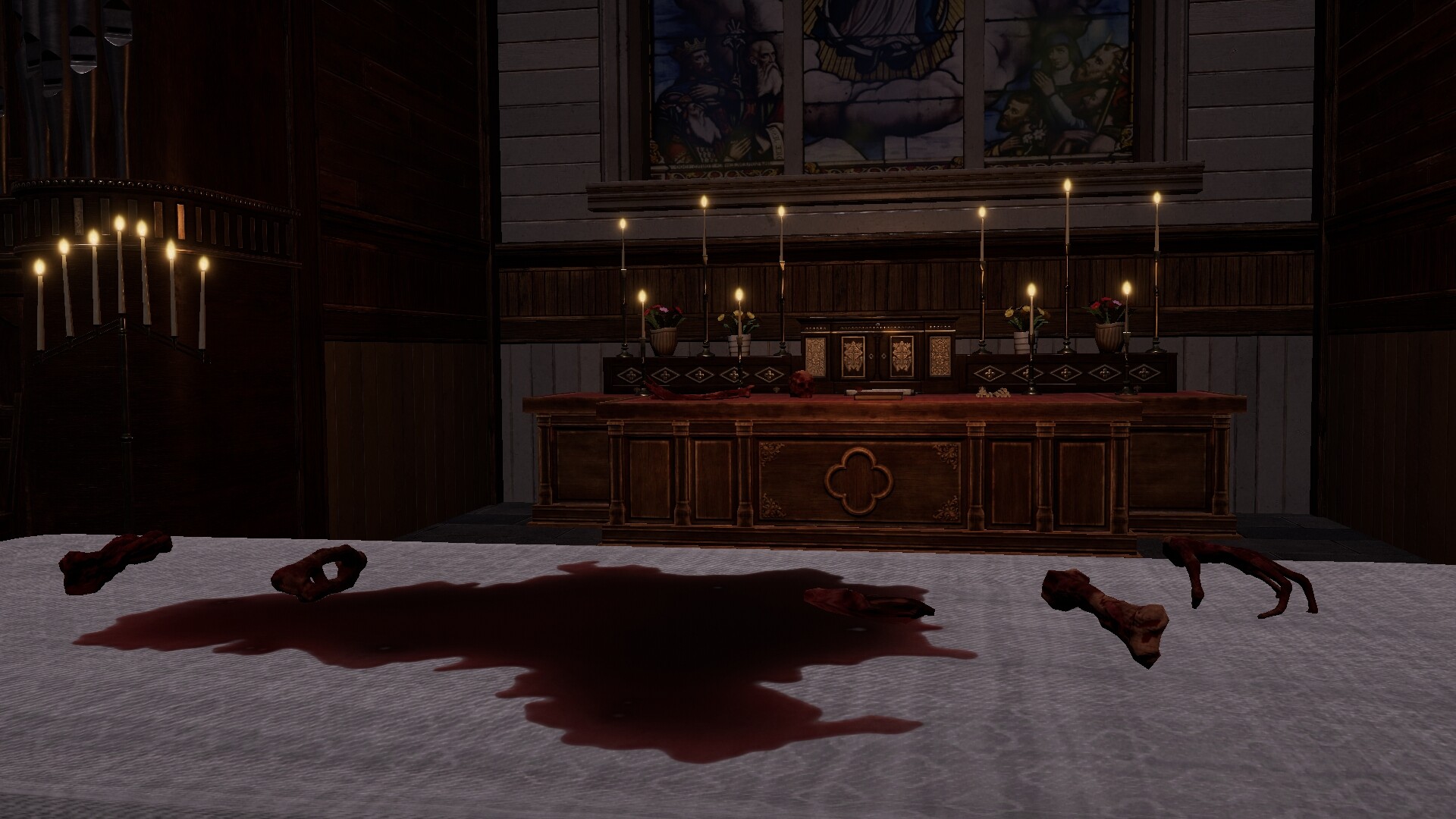
Progress in Trace of the Villa follows a clear chain: re-establish utilities and systems, gain access to rooms and devices, and assemble fragmented documents into a timeline. The official description highlights encrypted documents, suspicious transfer records, and falsified identities — concrete items that, when pieced together, expose patterns of arrivals and departures. That places a premium on environmental reading: furniture placement, untouched personal effects, and missing photographic records become clues as much as any unlocked safe.
Player scenarios — how it plays out for different tastes
- Slow-burn puzzler: You like to methodically scour each room, catalog fragments, and assemble timelines on a notepad. The game rewards careful environmental reading and patience.
- Story-first investigator: You prioritize narratives and character motivation. The reveal that the mansion was part of “something larger” should keep you engaged as evidence recontextualizes earlier discoveries.
- Atmosphere seeker: If mood, tension, and the texture of a decaying mansion are your draw, the erased-identities premise and power-restoration beats support a psychological, investigative tone.
How Trace of the Villa compares — a compact editorial table
| Title | Closest fit | Why compare |
|---|---|---|
| Trace of the Villa | Environmental, clue-driven mansion mystery | Restoring systems to unlock narrative evidence; focus on manifests, encrypted documents, falsified identities. |
| The Room / The Room Two | Puzzle box, tactile object puzzles | Both series concentrate on layered mechanical puzzles and a sense of ritual secrecy; Trace of the Villa shares a focus on chained puzzles but places heavier emphasis on reconstruction of documentary evidence and a detective throughline. |
| Escape Simulator | Highly interactive escape rooms, physics-enabled | Escape Simulator offers hands-on object interaction and community rooms; Trace of the Villa leans into narrative pacing and evidence assembly rather than sandboxed physics puzzles and user-generated content. |
| Hi-Fi RUSH | Action and beat-driven tempo | Hi‑Fi RUSH is action-forward and rhythm-synced, contrasting with Trace of the Villa’s slow-burn investigative pacing and atmosphere-first approach. |
Decide whether to wishlist
Wishlist Trace of the Villa if you are drawn to atmospheric mystery adventure, methodical reading of environments, and puzzle chains that unlock narrative evidence. If you prefer physics toyboxes, speedrunable puzzles, or action-focused gameplay, the game’s slow investigative pacing and focus on reconstructing documents may feel less immediately rewarding.
YouTube trailer / gameplay discovery
Looking for moving images? Search for trailers and gameplay footage using this YouTube discovery path (search results may include unofficial captures): Trace of the Villa trailer & gameplay.
View Trace of the Villa on Steam
Disclaimer: Referenced titles and trademarks are the property of their respective owners. Comparisons above are editorial discovery only and do not imply endorsement or official connection between those games and Trace of the Villa.
Leave a Reply