
Trace of the Villa — a mansion mystery built around clues, not loud scares
Trace of the Villa invites players into a decaying, off-the-grid estate where Jin’s years-long search for his missing sister finally produces tangible leads. The game promises slow-burn investigation and environmental storytelling: restore power, unlock sealed rooms, and follow financial and identity traces that suggest a larger, concealed operation.

Quick facts
| Title | Trace of the Villa |
|---|---|
| Steam appid | 3483660 |
| Release date | 28 May, 2026 |
| Developer / Publisher | Steadyturtle Co., Ltd. |
| Genres | Action, Adventure, Indie |
| Categories | Single-player; Color Alternatives; Custom Volume Controls; Playable without Timed Input; Subtitle Options; Family Sharing |
| Store | Trace of the Villa on Steam |
Who is this for?
If you prize atmosphere over jump scares, Trace of the Villa is aimed at players who enjoy clue-driven exploration and environmental storytelling. It will likely appeal to people who like methodical investigation—those who read manifests, decrypt fragments, and slowly reconstruct a timeline from scattered objects and locked rooms. The Steam metadata lists the game as Action / Adventure / Indie and tags it Single-player, with accessibility options such as subtitles, color alternatives, and controls suited for players who prefer no timed inputs.
What the game actually is
Official short description: “Jin has spent years searching for his missing sister, pursuing leads that took him to a remote, decaying mansion where he recovered manifests and hints that indicate his sister may still be alive, somewhere at the end of the trail he is about to follow.”
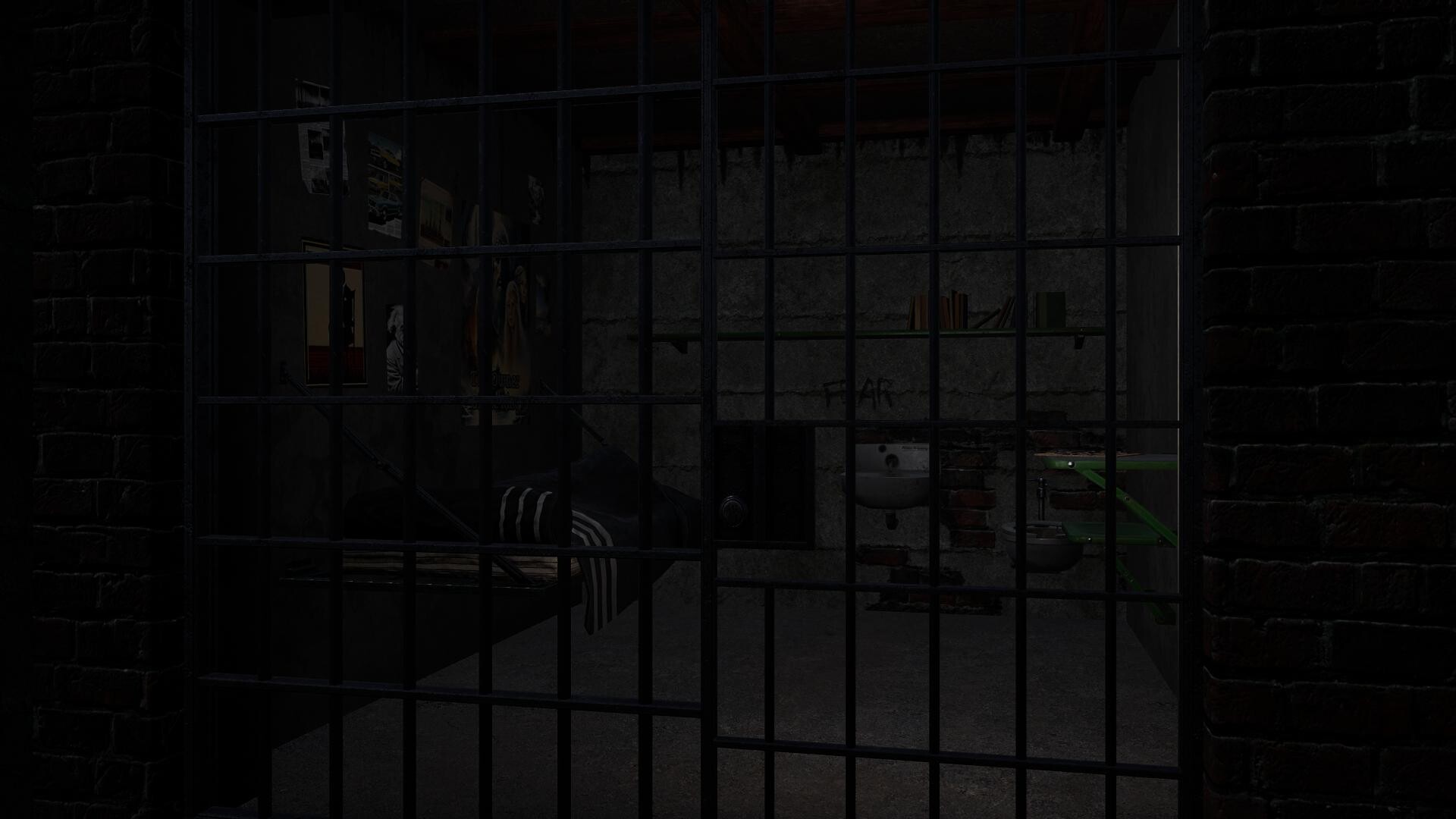
The fuller official description frames the mansion as deliberately forgotten: rooms look as if people vanished mid-routine, and identities seem erased. Restoring power is a turning point — secured systems come back online, hidden compartments unlock, safes yield encrypted documents, and a pattern of falsified identities and financial trails begins to emerge. The game presents an investigation that feels personal and escalating rather than purely supernatural or action-first.
When and where to play
Trace of the Villa launched on Steam on 28 May, 2026. It’s published and developed by Steadyturtle Co., Ltd., and appears in PC/Steam discovery with Single-player and accessibility-focused categories. If you’re on Steam, the store page is the hub for wishlisting and system details.
Why the theme matters — narrative curiosity and emotional stakes
The core pull here is narrative curiosity: the player isn’t simply solving rooms, they’re piecing together a person’s absence. The official materials stress that identities were removed and movements masked; that setup turns ordinary puzzles into emotionally weighted discoveries. Every unlocked file or powered terminal isn’t neutral — it’s evidence that could change Jin’s understanding of where his sister went and what the mansion was used for. That raises stakes beyond “get to the next puzzle” to “learn whether the trail ends in rescue, complicity, or something darker.”
How you progress — reading the house
- Investigation through environment: Many scenes are staged as if occupants vanished mid-routine. Observing object placement and anomalies is primary gameplay fodder.
- Systems and power play: Restoring electricity and bringing systems online is explicitly called out as a gameplay moment that reveals locked compartments and digital evidence.
- Puzzles and documents: Safes, encrypted fragments, manifests, and suspicious transfer records are the kinds of items the official description lists; solving puzzles and decrypting or assembling evidence advances the timeline.
- Accessible pacing: The Steam page lists “Playable without Timed Input” and subtitle and control options, signaling the game supports a slower, read-and-think approach rather than twitch mechanics.

Player scenarios — who should wishlist
- Slow-burn investigators: You like assembling a story from small artifacts and reading between the lines. You’ll value the emotional weight of discoveries here.
- Puzzle explorers who prioritize atmosphere: If your ideal session is wandering a richly staged space and solving environmental puzzles without pressure, the game’s accessibility options and “no timed input” tag make it a fit.
- Story-first adventure players: If you want consequences from evidence—financial trails, falsified identities, and a timeline that reframes characters—you should consider wishlisting.
- Not for everyone: If you prefer fast-paced, achievement-driven action with clear combat systems (beyond the Action genre label on Steam), be prepared for a narrative-forward, investigative experience rather than combat-heavy gameplay.
How it compares (editorial discovery)
Below is a focused comparison to help readers decide if Trace of the Villa matches their tastes. These comparisons use lawful editorial criteria: genre, atmosphere, puzzle focus, exploration style, story tone, and pacing.
| Title | Why compare | Main difference |
|---|---|---|
| Inscryption | Atmospheric, secret-layered storytelling | Inscryption mixes card-based mechanics with psychological horror and meta secrets; Trace of the Villa is grounded in environmental investigation and document-based puzzle solving rather than card mechanics or meta-narrative surprises. |
| Outer Wilds | Mystery-driven exploration and timeline revelation | Outer Wilds is open-world, discovery-led, and time-loop centered; Trace of the Villa is a contained mansion mystery where discovery comes from restoration of systems and piecing together localized evidence rather than planetary exploration. |
| Journey | Atmospheric, minimalist storytelling | Journey emphasizes wordless, emotional travel and visual metaphor; Trace of the Villa relies on documents, manifests, and encrypted fragments to carry narrative weight in a more text- and clue-driven way. |
| The Forgotten City | Narrative puzzle and moral consequence | The Forgotten City uses time mechanics and moral dilemmas in an ancient setting; Trace of the Villa places consequence in uncovering erased identities and financial/legal traces within a modern, decaying estate. |
| The Medium | Third-person psychological atmosphere and dual-reality investigation | The Medium explores parallel realms and trauma through dual-reality mechanics; Trace of the Villa focuses on realistic investigative beats—restoring power, decrypting evidence, and following administrative trails—rather than spiritual dualism. |
YouTube discovery
YouTube discovery
For trailer and gameplay discovery, use YouTube search rather than relying on unverified embeds: Find Trace of the Villa trailer and gameplay searches on YouTube.
Leave a Reply