
Trace of the Villa — a mansion mystery built on vanished identities
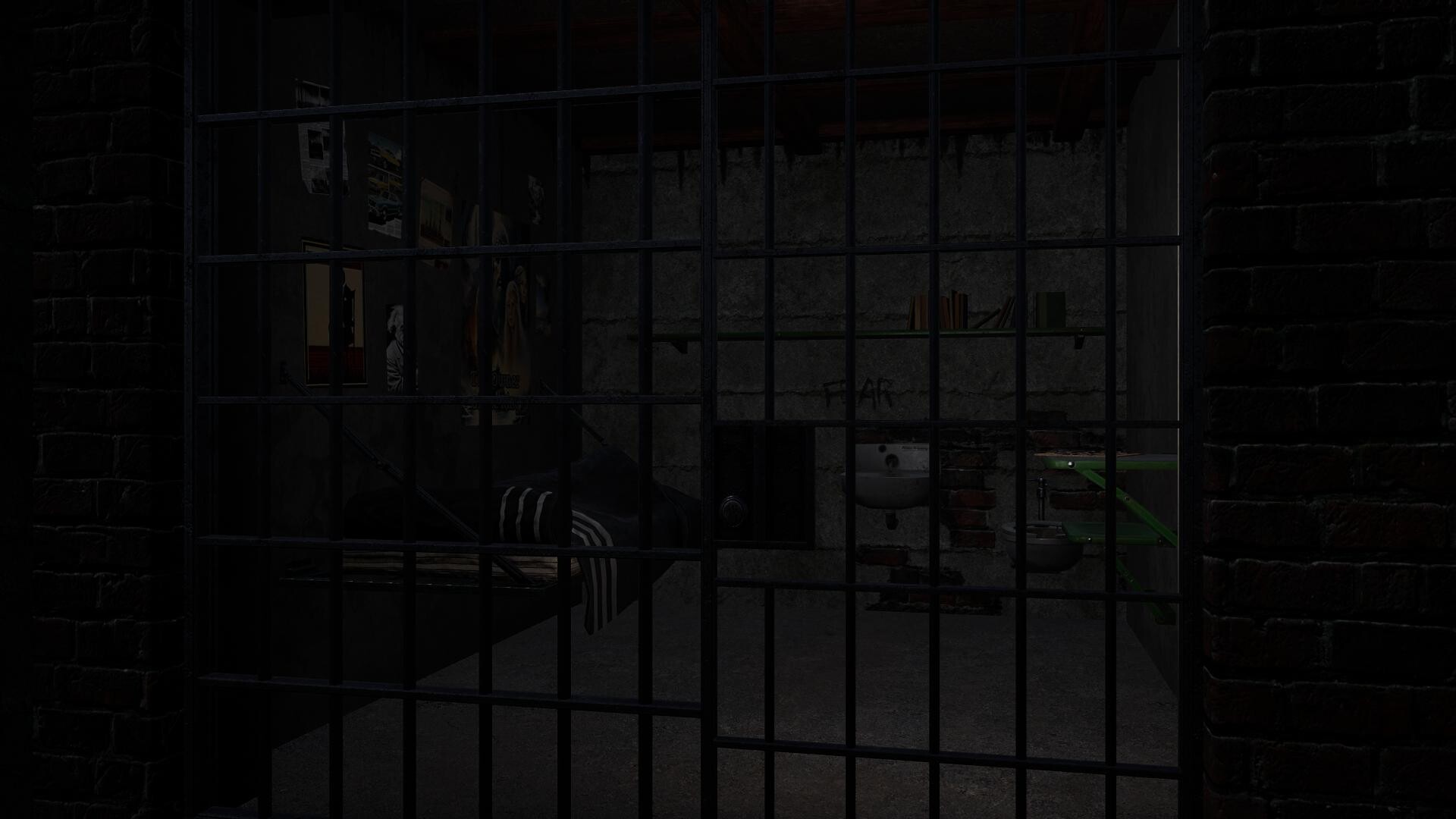
Trace of the Villa places you in Jin’s shoes: a lone search for a missing sister that leads to a remote, decaying mansion full of erased lives and encrypted traces. It’s an atmospheric mystery adventure from Steadyturtle Co., Ltd., where clue-driven exploration and environmental storytelling turn every unlocked system and recovered manifest into a new question.


Quick facts
| Title | Trace of the Villa |
|---|---|
| Steam AppID | 3483660 |
| Release date | 28 May, 2026 |
| Developer | Steadyturtle Co., Ltd. |
| Publisher | Steadyturtle Co., Ltd. |
| Genres | Action, Adventure, Indie |
| Notable categories | Single-player; Color Alternatives; Custom Volume Controls; Playable without Timed Input; Subtitle Options; Family Sharing |
Who should wishlist or pick this up?
- Players who prize atmospheric mystery adventure and slow‑burn suspense over nonstop action — the official premise centers on investigation and unearthing erased identities.
- Fans of environmental storytelling who enjoy reading manifests, restoring systems, and using found records to piece together a timeline.
- Those who like narrative puzzles tied to worldbuilding: Trace of the Villa’s design pivots on restoring power, unlocking compartments, and decoding financial or identity trails rather than timed reflex tests (the game is listed as playable without timed input).
- Accessibility‑minded players: the Steam page lists subtitle options, custom volume controls, and color alternatives among categories.
What the game is — the narrative hook and emotional stakes
Trace of the Villa’s official short description sets the emotional engine: “Jin has spent years searching for his missing sister… he recovered manifests and hints that indicate his sister may still be alive.” That personal motive reframes every puzzle and unlocked file from procedural curiosity into something urgent and intimate. The official description makes the mansion itself a kind of antagonist — “less abandoned than erased” — where rooms look as if occupants vanished mid‑routine and identities have been deliberately removed.
That setup raises two clear stakes for the player: the factual mystery (what happened at the property, how and why were identities scrubbed) and the personal stake (Jin’s continuing hunt for his sister). As systems come back online and encrypted documents surface, the game promises the slow tightening of a trail rather than a single big reveal.
When and where — Steam context
Trace of the Villa launched on Steam on 28 May, 2026. It appears as a single‑player, story‑focused indie published and developed by Steadyturtle Co., Ltd. The Steam page lists features like subtitle options, color alternatives, and custom volume controls that are useful to know before you buy or wishlist.
Why this theme matters (and what it will feel like)
Erasure of identity as a narrative device pushes the player toward forensic play: you’re not just solving environmental puzzles, you’re reconstructing lives that were intentionally anonymized. The tone, as described on Steam, blends domestic unease with institutional concealment — forged records, suspicious transfers, and controlled movements suggest the mansion was part of a larger, hidden operation. For players who respond to moral ambiguity and investigative tension, that’s fertile ground for sustained curiosity.
How you progress — mechanics tied to story
The official description emphasizes restorative investigation: restore power, reactivate secured systems, open locked doors, and decrypt fragments of documents and manifests. Progress is clue‑driven — each puzzle or recovered log unlocks another lead on the timeline. Because the game is catalogued under Action and Adventure, expect some interactive pacing and traversal, but the Steam categories also highlight readability (subtitles) and absence of timed input, which supports slower-paced, thoughtful play.
Player scenarios — who will get the most out of Trace of the Villa
- The procedural detective: You like assembling chains of evidence from disparate objects, then testing theories against documents and systems. Trace of the Villa’s manifests and encrypted records feed that loop.
- The atmospheric explorer: You prefer sensory beats and mood — lighting, rooms left mid‑routine, and silent domestic details — and you’re patient with a slow‑burn reveal.
- The narrative completionist: You’ll value recovering every fragment because the story threads are deliberately spread across secured systems and hidden compartments.
- The accessibility‑aware player: You need subtitle options, custom audio control, or color alternatives to enjoy a story‑first experience.
How it compares — nearby story‑rich indie mysteries
Below is a concise editorial comparison to help you place Trace of the Villa against other narrative puzzle or mystery games. This is a tonal and mechanical comparison — not an endorsement, ranking, or claim of superiority.
| Title | Genre / Tone | Puzzle focus | Exploration style | Pacing |
|---|---|---|---|---|
| Trace of the Villa | Action, Adventure, Indie — mansion mystery, erased identities | Document/ system recovery, encrypted fragments, clue chaining | Indoor, room‑by‑room forensic exploration in a decaying estate | Slow burn; investigation unfolds as systems are restored |
| Inscryption | Adventure, Indie, Strategy — inky, psychological, card‑based | Deckbuilding with escape‑room style puzzles and meta secrets | Layered chapters mixing confined scenes and meta spaces | Variable — tight, tense runs mixed with narrative breaks |
| Outer Wilds | Action, Adventure — open‑world cosmic mystery | Environmental puzzles tied to a time loop and astronomy | Open solar system exploration with emergent discoveries | Exploratory, contemplative, discovery‑driven |
| Journey | Adventure, Indie — minimalist, evocative exploration | Traversal and visual symbolism rather than formal puzzles | Expansive, open‑feeling landscapes focused on mood | Meditative and short; emotional arc driven by environment |
| The Forgotten City | Adventure, Indie, RPG — narrative time loop and moral choices | Logic puzzles and dialogue/choice‑driven investigation | Contained ancient city with branching investigation paths | Deliberate; player experiments with timeline resets |
| The Medium | Adventure — psychological horror exploring spirit and real realms | Dual‑realm puzzles and narrative horror beats | Dual‑layered spaces: real world and spirit realm | Slow and atmospheric with horror interludes |
YouTube discovery
If you want to see official trailers or gameplay footage, search for Trace of the Villa on YouTube: Trace of the Villa trailer & gameplay (YouTube search). The Steam page’s trailer thumbnail can also be a starting point for video discovery.
View Trace of the Villa on Steam
Disclaimer: Referenced titles and trademarks belong to their respective owners. Comparisons are editorial discovery only and do not imply any official relationship.
Leave a Reply