
Trace of the Villa: a mansion mystery that asks you to read the silence
Trace of the Villa drops players into Jin’s long hunt for a missing sister — a trail that leads to a remote, decaying mansion where manifests and hints suggest she may still be alive. The game leans on environmental storytelling and layered puzzle work: restore power, open locked systems, and let the house reveal the operation that erased identities.

Who should consider wishlisting Trace of the Villa?
If you favor story-rich indie games that prize slow-burn suspense, careful observation, and piecing together fragments of a hidden backstory, this is aimed at you. The game’s official pitch centers on a personal investigation—Jin searching for his missing sister—and the appeal is investigative patience: reading rooms rather than sprinting through set-pieces.
What the game is (facts at a glance)
| Title | Trace of the Villa |
|---|---|
| Steam AppID | 3483660 |
| Release date | 28 May, 2026 |
| Developer | Steadyturtle Co., Ltd. |
| Publisher | Steadyturtle Co., Ltd. |
| Genres | Action, Adventure, Indie |
| Categories / accessibility | Single-player; Color Alternatives; Custom Volume Controls; Playable without Timed Input; Subtitle Options; Family Sharing |
| Official short description | Jin has spent years searching for his missing sister, pursuing leads that took him to a remote, decaying mansion where he recovered manifests and hints that indicate his sister may still be alive, somewhere at the end of the trail he is about to follow. |
When and where — Steam context
Trace of the Villa released on Steam 28 May, 2026 and is offered on PC via its Steam store page. If you want to follow the developer’s presentation directly, the Steam page hosts official imagery, screenshots, and the store widget below.
Why the narrative matters
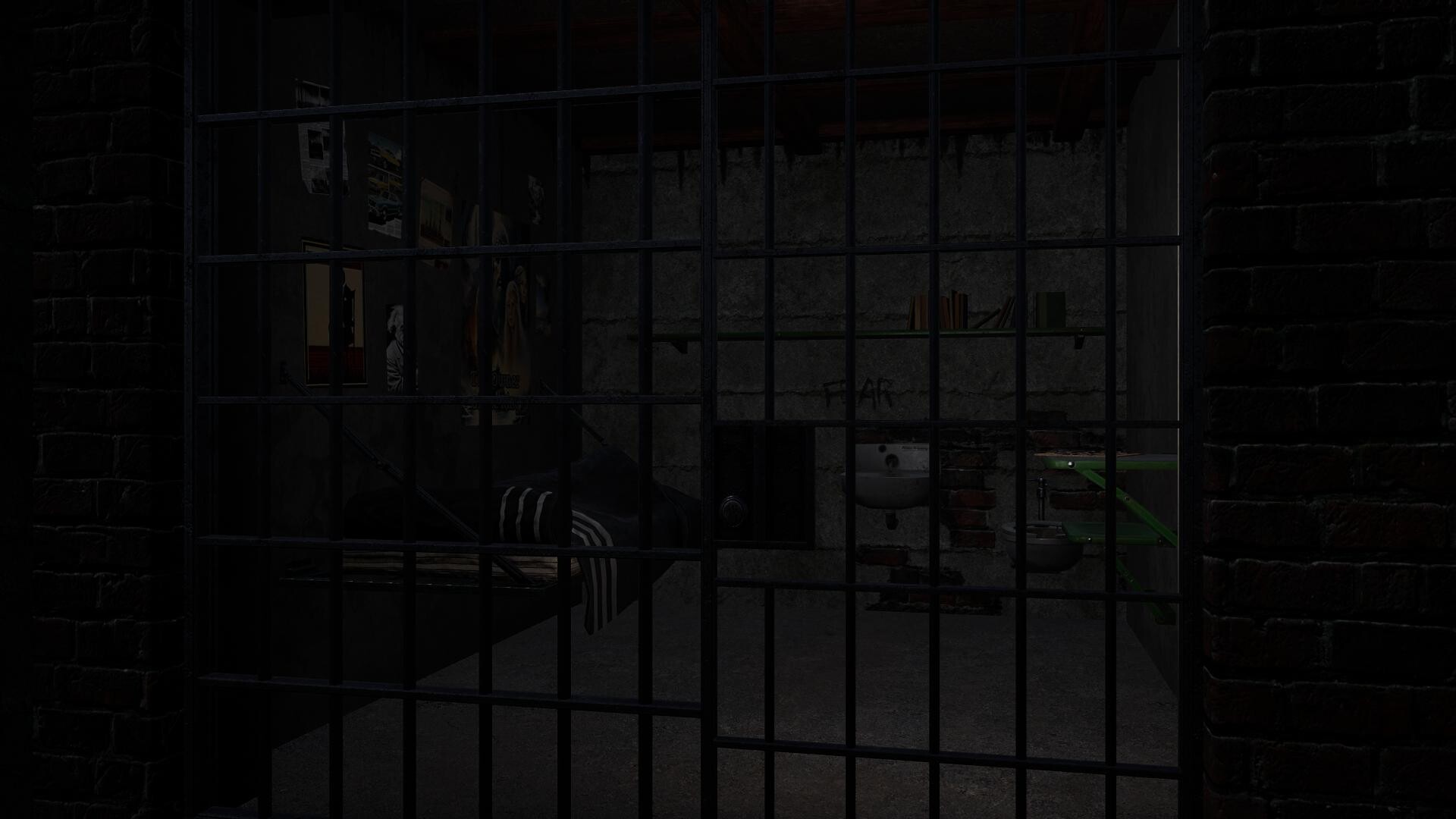
The game’s tension comes from what the house doesn’t show as much as what it leaves behind: rooms set mid-routine, absent names and photographs, falsified records and encrypted fragments. That erasure—identities removed, financial trails that lead nowhere—turns ordinary investigative actions (powering systems, opening safes) into emotional work: recovering traces of human lives and deciding what those traces mean for Jin’s search.
How you progress: clues, systems, and reveal pacing
According to the official description, progress is built around restoring the mansion’s systems and uncovering secured secrets. When Jin restores power, secured systems come back online, hidden compartments unlock, and safes yield fragments of encrypted documents and suspicious transfer records. Each solved puzzle peels back another layer of a concealed operation, so progression alternates between careful environmental reading and puzzle-driven mechanical unlocks.

Player scenarios — who will get the most from this design?
- You prize environmental storytelling and slow-burn tension: you read rooms, not logs; small details accumulate into big revelations.
- You enjoy narrative puzzle design: unlocking safes, decrypting fragments, and restoring systems are your preferred beats for uncovering plot.
- You prefer single-player, accessible options: the Steam listing includes color alternatives, subtitle options, and controls that accommodate players who don’t want timed inputs.
- You want emotional stakes tied to investigation: the central motivation is Jin’s personal search for his sister, making discoveries carry personal weight rather than abstract mystery alone.
How Trace of the Villa compares to nearby mystery/adventure titles
| Title | Core focus | Atmosphere | Exploration | Puzzle / narrative style | Player fit |
|---|---|---|---|---|---|
| Inscryption | Card-based odyssey blending roguelike and escape-room puzzles | Inky, psychological, claustrophobic | Structured around card-table scenarios and meta layers | Puzzle-systems that hide narrative secrets inside mechanics | Players who like mechanic-driven mystery and meta twists |
| Outer Wilds | Open-world cosmic mystery | Curious, awe-filled, occasionally eerie | Expansive, player-directed exploration of a solar system | Clue-driven, emergent narrative through repeated exploration | Players who prefer environmental discovery across a wide space |
| Journey | Atmospheric exploration and minimalist storytelling | Elegant, melancholic, meditative | Linear but wandering vistas and spatial storytelling | Symbolic, non-verbal narrative through environment and movement | Players who want a contemplative, atmospheric experience |
| The Forgotten City | Narrative-driven mystery with time-loop mechanics | Tense, morally troublesome, investigative | Focused area exploration with branching narrative outcomes | Dialogue and consequence-heavy puzzles tied to story timelines | Players who like narrative puzzles with ethical stakes |
| The Medium | Third-person psychological horror exploring two realms | Atmospheric, uncanny, haunting | Structured exploration across parallel realities | Puzzle-solving split between real world and spirit realm | Players who want psychological tension and dual-reality puzzles |
Deciding whether to wishlist
If you seek a PC mystery game where the emotional stakes are personal and the mystery is assembled from domestic detritus — manifests, transfer records, and locked safes — Trace of the Villa is worth watching. It’s designed for players who enjoy methodical investigation, atmospheric mansion settings, and narrative reveals that rely on patient observation rather than fast reflexes.
YouTube discovery
For trailers and gameplay clips, search YouTube for Trace of the Villa via this discovery path: https://www.youtube.com/results?search_query=Trace+of+the+Villa+trailer+gameplay. This link is provided as a search route rather than confirmation of a specific official video.
Steam page: Trace of the Villa on Steam
Disclaimer: referenced titles and trademarks belong to their respective owners. Comparisons above are editorial discovery only and not claims of endorsement or sponsorship.
Leave a Reply