
Trace of the Villa — an atmospheric mystery adventure built on clues and absence
Trace of the Villa drops you into Jin’s quiet, stubborn search: a lone investigator following faint manifests and encrypted fragments through a decaying mansion that feels deliberately erased. The game promises slow-burn suspense, environmental storytelling, and clue-driven exploration where every restored circuit and unlocked safe widens the emotional stakes of a personal hunt.

Who this is for
If you prefer story-rich indie games that prize atmosphere over nonstop action, Trace of the Villa is clearly pitched at players who enjoy methodical unraveling: people who read remnants, follow forensic trails, and let tension build from absence as much as from threat. The Steam page positions it inside Action / Adventure / Indie while listing single-player and accessibility options (Color Alternatives, Subtitle Options, Playable without Timed Input), so it’s a single-player narrative investigation for players who want readable clues and paced discovery rather than twitch-heavy sequences.
What the game is
According to the official Steam description, Jin has spent years searching for his missing sister and tracked a lead to a remote, decaying mansion. Inside, the estate looks “less abandoned than erased”: furnished rooms with missing identities, locked doors, and systems deliberately shut down. When Jin restores power, the house begins to reveal secured systems, hidden compartments, safes with encrypted documents, and suspicious transfers — evidence that the place was used for controlled movements and falsified identities. Those are the narrative hooks the game uses to convert exploration into investigative momentum.
When and where
Trace of the Villa released on 28 May, 2026 and is available on Steam for PC. It’s developed and published by Steadyturtle Co., Ltd. (Steam AppID: 3483660).
Why the theme matters — emotional stakes and narrative curiosity
The official text frames the stakes as personal: Jin’s search for a missing sister makes every recovered receipt, manifest, or encrypted fragment more than a puzzle — it’s a lead that could change everything. That tight emotional anchor matters because it turns environmental details (a room left mid-routine, a safed ledger) into evidence that must be read as part of a life interrupted. If you respond to mysteries where silences and omissions are the loudest clues, this premise should register strongly: the mansion isn’t just a backdrop, it’s the case file.
How you investigate and progress
The Steam description outlines the investigative beats: restore power, reactivate systems, open hidden compartments, and decrypt fragments discovered in safes and records. Progress is presented as a combination of environmental puzzle solving and piecing together a timeline from documents and security systems — a detective loop where each solved barrier reveals another layer of falsified identities and masked movements. The game’s categories (Subtitle Options, Playable without Timed Input, Color Alternatives) also suggest a focus on readable, deliberate investigation rather than reflexive mechanics.
Compact facts
| Title | Trace of the Villa |
|---|---|
| Steam AppID | 3483660 |
| Release date | 28 May, 2026 |
| Developer / Publisher | Steadyturtle Co., Ltd. |
| Genres | Action, Adventure, Indie |
| Key categories | Single-player; Color Alternatives; Custom Volume Controls; Playable without Timed Input; Subtitle Options; Family Sharing |
| Official short description | Jin has spent years searching for his missing sister, pursuing leads that took him to a remote, decaying mansion where he recovered manifests and hints that indicate his sister may still be alive, somewhere at the end of the trail he is about to follow. |
| Store | Trace of the Villa on Steam |
Screenshots — tone and texture

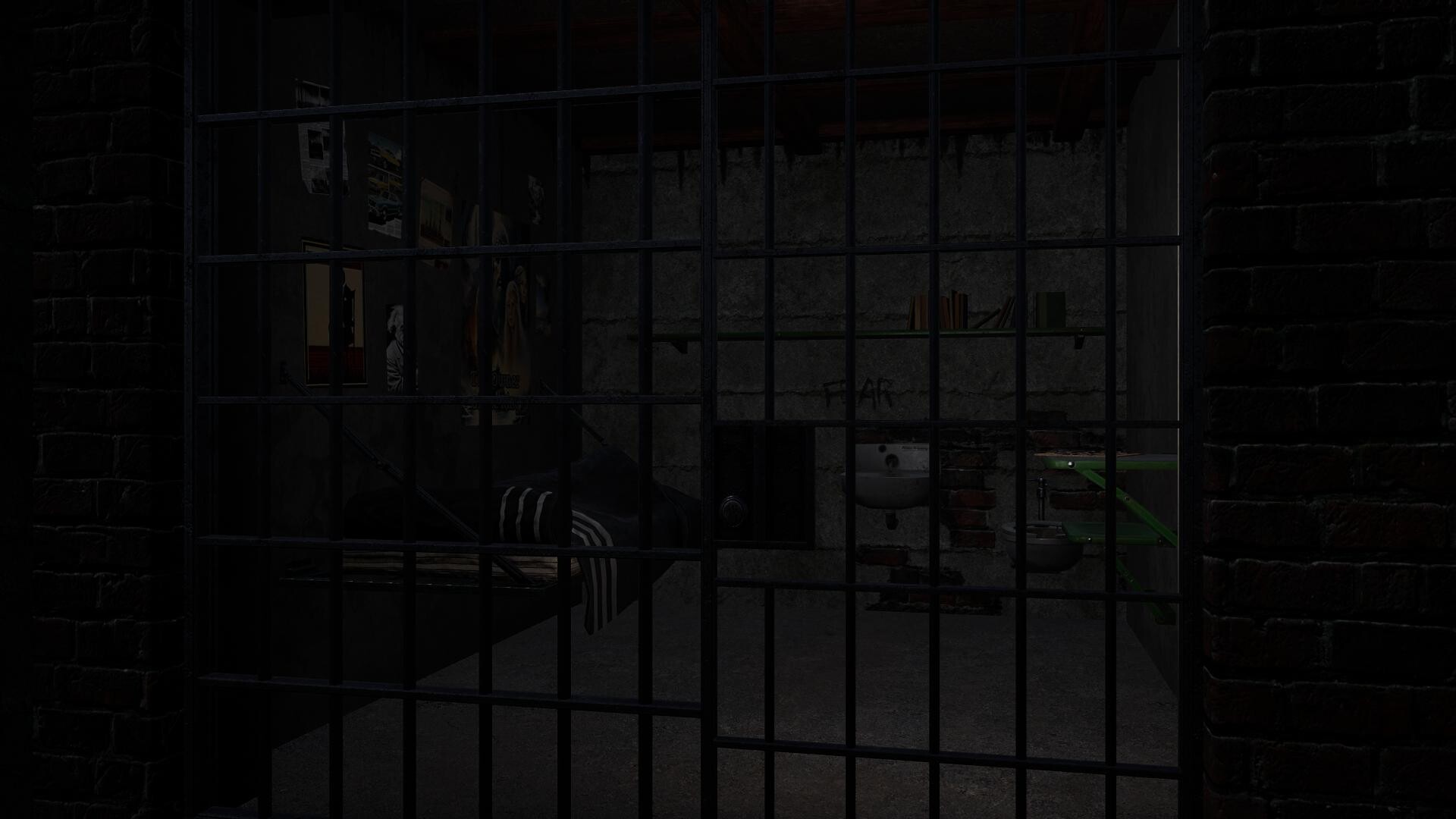
Which players should wishlist it? — concrete scenarios
- The patient detective: You prefer reading documents and reconstructing timelines from fragmented evidence rather than fast combat; the game’s premise centers on restored systems and decrypted fragments.
- The atmosphere-first explorer: You play for the mood — long corridors, furnished-but-empty rooms, and an uneasy sense of erasure drive your curiosity more than enemy lists.
- The puzzle-and-clue fan: You enjoy environmental puzzle design and clue-driven progression where each unlocked compartment advances both plot and context.
- The emotional-investment player: You want a mystery tied to a personal stake (Jin’s missing sister), so narrative beats land as revelations rather than abstract riddles.
How it compares — quick editorial table
| Title | Primary focus | Story tone / pacing | Puzzle / exploration emphasis |
|---|---|---|---|
| Trace of the Villa | Clue-driven mansion investigation, narrative mystery | Slow-burn, personal stakes (search for a missing sister) | Environmental puzzles, restoring systems, decrypting documents |
| Inscryption | Card-based odyssey blending roguelike and escape-room puzzles | Psychological, unsettling; tonal twists and meta layers | Puzzle-focused with escape-room mechanics and deckbuilding decisions |
| Outer Wilds | Open-world solar-system mystery built on exploration and discovery | Curiosity-driven, emergent pacing; broader cosmic stakes (named GOTY 2019) | Exploration-first puzzles embedded in world systems and time loop mechanics |
| Journey | Atmospheric, minimalist exploration across ruins and deserts | Meditative, short-form pacing focused on wonder and emotional arcsYouTube discoveryFor trailer and gameplay discovery, use YouTube search rather than relying on unverified embeds: Find Trace of the Villa trailer and gameplay searches on YouTube. CommentsMore posts |
Leave a Reply