
Trace of the Villa
Trace of the Villa centers on Jin, a searcher whose years-long hunt for his missing sister leads him to a remote, decaying mansion full of manifests and half-buried hints that she may still be alive. The game promises a quiet, investigative pace where restoring power and peeling back layers of the estate reveals encrypted records, falsified identities, and a trail that refuses to close.

| Title | Trace of the Villa |
|---|---|
| Steam AppID | 3483660 |
| Release date | 28 May, 2026 |
| Developer / Publisher | Steadyturtle Co., Ltd. |
| Genres | Action, Adventure, Indie |
| Categories | Single-player; Color Alternatives; Custom Volume Controls; Playable without Timed Input; Subtitle Options; Family Sharing |
| Short premise | Jin recovered manifests and hints in a decaying mansion suggesting his missing sister may still be alive, somewhere at the end of the trail he is about to follow. |
Who is this for?
Trace of the Villa fits players who prize atmospheric mystery adventure and environmental storytelling over twitch reflexes. If you favor slow-burn suspense, methodical clue-gathering, and the emotional stakes of a personal investigation — rather than pure jump scares or fast-paced combat loops — this is aimed squarely at you. The presence of subtitle options, color alternatives, and “playable without timed input” makes it accessible to players who prefer reading and careful examination.
What the game is
Official materials position Trace of the Villa as a narrative-driven mystery: Jin explores a deliberately forgotten mansion, restores power to estate systems, and unlocks hidden compartments, safes, and encrypted documents. The estate appears less abandoned than erased — rooms look lived-in but identity markers are absent, and evidence points to a controlled operation with falsified identities and financial trails that lead nowhere. The tension comes from assembling those fragments into a picture of what happened and how Jin’s sister might still be connected to the site.
When and where
Trace of the Villa released on Steam on 28 May, 2026. The Steam store entry (appid 3483660) lists Steadyturtle Co., Ltd. as both developer and publisher and includes standard PC accessibility categories such as subtitles and custom volume controls.
Why the theme matters — emotional stakes and narrative hook
What differentiates Trace of the Villa is its personal core: this is not an abstract mansion mystery, it’s a search for a missing sister that transforms routine investigation into a deeply personal quest. The studio’s description emphasizes erased identities and orchestrated movements — arrivals without records, departures without witnesses — which raises the stakes beyond mere curiosity to a moral and emotional unraveling. Players who want their puzzles to have human consequences — a revealed ledger, a letter, or an encrypted manifest that reframes what the protagonist believed — will find the premise compelling.
How you progress: clues, systems, and pacing
Progression is clue-driven. The official text describes restoring power to the estate so secured systems come back online, hidden compartments unlock, and safes yield fragments of encrypted documents and suspicious transfer records. Each puzzle solved apparently reveals another layer of a concealed operation: financial trails, falsified identities, and arrivals/departures that don’t add up. Expect environmental puzzles, locked systems to re-enable, and document-driven leads rather than combat-heavy advancement.

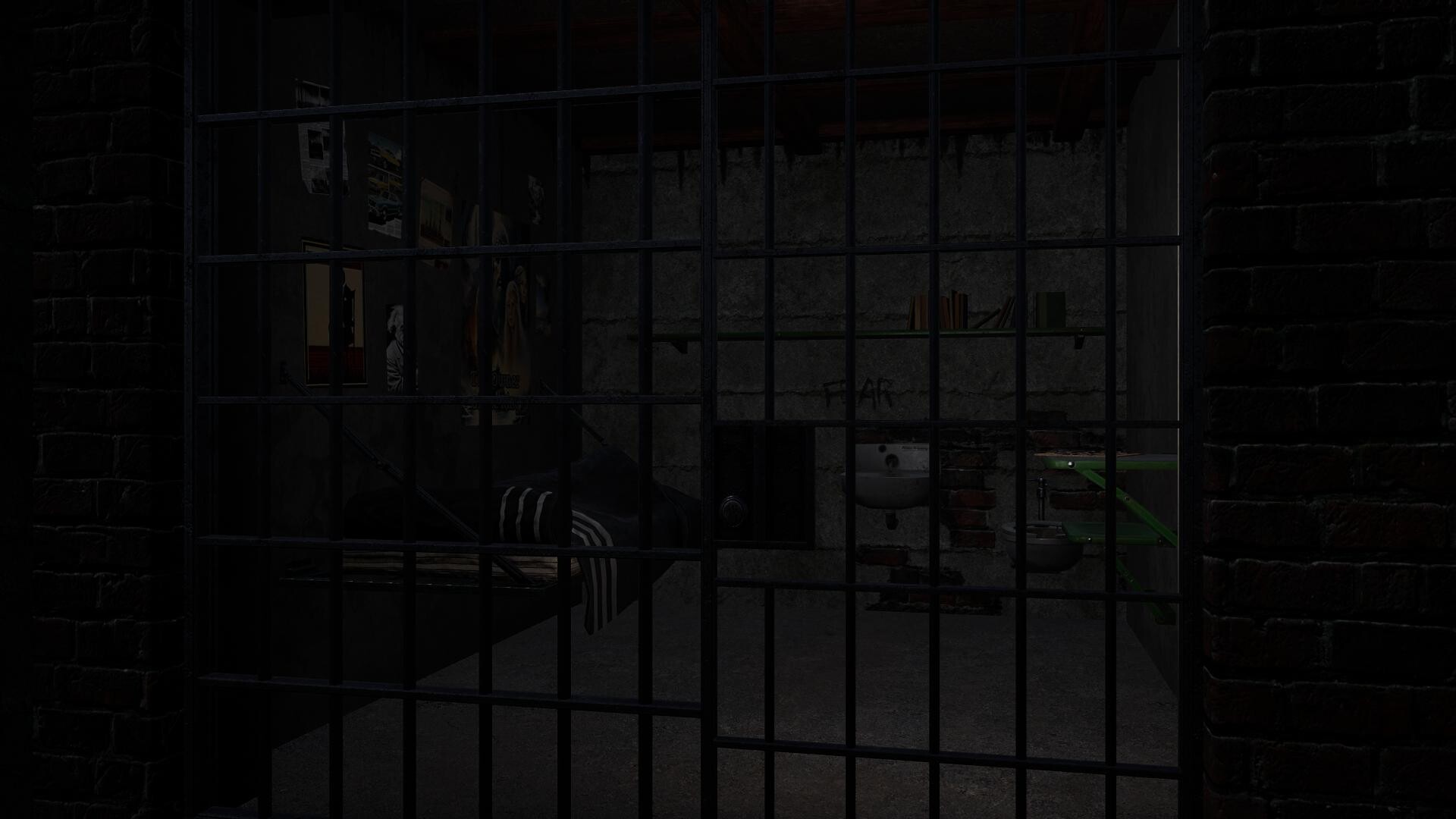
Player scenarios — who will get the most from Trace of the Villa
- Detail-oriented explorers: you like reading documents, piecing together timelines, and solving environmental puzzles to reveal narrative beats.
- Slow-burn mystery fans: you prefer mounting dread and subtle reveals over constant action.
- Story-first players: you want the protagonist’s motivation (a missing sister) to shape your investigation and the stakes of each discovery.
- Accessible-play advocates: subtitle options and “playable without timed input” suggest a design that accommodates slower, deliberate playstyles.
How it stacks up — quick comparison
| Title | Genre / Atmosphere | Puzzle vs Exploration | Story tone / Pacing | Player fit |
|---|---|---|---|---|
| Trace of the Villa | Action / Adventure / Indie — mansion mystery, investigative | Clue-driven, document and system-based puzzles | Slow-burn, personal investigation focused on erased identities and financial trails | Players who want atmospheric mystery, environmental storytelling, and emotional stakes |
| Inscryption | Adventure / Indie / Strategy — inky card-based odyssey | Deckbuilding blended with escape-room puzzles | Darker psychological horror with meta-secrets and escalating reveals | Players who like unsettling twists and genre-mixing mechanics |
| Outer Wilds | Action / Adventure — cosmic mystery, open exploration | Exploration-led puzzles tied to systems (astronomy/time) | Curiosity-driven, contemplative pacing with environmental payoff | Players who prefer open-ended exploration and systemic storytelling |
| Journey | Adventure / Indie — contemplative, minimal narrative | Exploration and atmosphere over explicit puzzles | Poetic, wordless pacing focused on emotion and movement | Players seeking a meditative, non-verbal emotional experience |
Leave a Reply